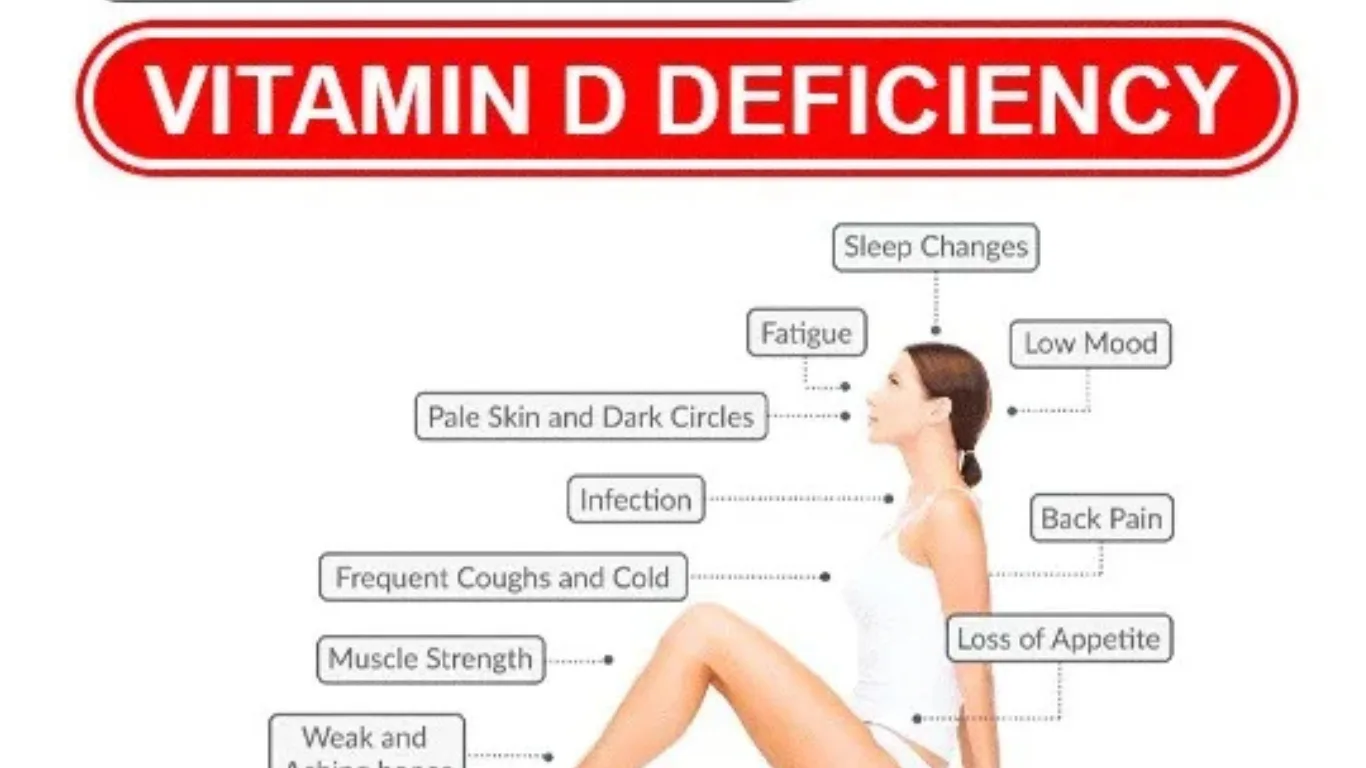
10 Signs of Vitamin D Deficiency You Shouldn't Ignore
There's a specific kind of fatigue that isn't going away even after a night's sleep. You sleep for 8 hours, then wake up, and yet you feel like you can't lie down. The majority blame stress, work, and weather. Many people don't think of blaming the sun. This is often the place where the problem really begins and is usually linked to a vitamin D deficiency.
The signs of vitamin D deficiency appear in a quiet manner at first, and so sluggishly that the majority of people ignore them for months or years before identifying the dots. This isn't an uncommon issue either. Vitamin D deficiencies are among the most frequent nutrient shortages present in the world today and are hidden in the midst of symptoms that seem normal. This is exactly why it's important to discuss it properly instead of ignoring it as the majority of health information does.
Why Vitamin D Deficiency Actually Matters
Vitamin D isn't all about bones, despite being the image that most of us have been raised with. It is involved in mood, immunity, as well as muscle function and the way the body absorbs calcium from the beginning. If levels fall to a low level and last for a prolonged period, vitamin D deficiency begins affecting everything, including how much sleep you get and the frequency you contract an illness.
The trick is that low Vitamin D seldom has sudden symptoms. It develops slowly, quietly, and in the background and by the time a person is tested, they're usually amazed at how low the level actually is. The delay is crucial. The longer a vitamin D deficiency is not noticed and untreated, the more it impacts daily energy levels, bone strength and how our minds are feeling every day.
Read more: Best Exercises for Hormonal Imbalance in Women: Improve Mood, Sleep & Metabolism
What Vitamin D Deficiency Really Is, Explained Simply
Consider vitamin D less as an actual vitamin, but more like an ingredient that your skin makes when it is exposed to sunlight. This is what people often forget about. It's referred to as"the sunlight vitamin because of this. The body transforms UVB Rays into a usable vitamin D through a chain reaction that involves the liver, skin and kidneys.
Most vitamins originate from food. Vitamin D is a different one. The sun's rays do the majority of the heavy lifting, while food and supplements do the remainder. This is why those who spend a lot of their time indoors or are in cities that have excessive pollution, or just wear a lot of facial skin, are more likely to experience vitamin D deficiencies without realising it.
Recognising the lack of vitamin D behind this makes all the pieces fall into place. It's not always about a poor diet. It's typically about the sun that you never had.
10 Signs of Vitamin D Deficiency You Shouldn't Ignore
Here's where it can be practical. These are the symptoms of vitamin D deficiency that doctors most often see, but not everyone suffers all of them simultaneously.
- Incessant fatigue that doesn't get better with sleep, even when you've had a good night's sleep. This is among the first signs of vitamin D deficiency, which people often notice, but they don't always identify it in the first place.
- Bone fatigue and pain together, particularly pain that's dull in the legs or lower back, that doesn't have any apparent injury to it.
- A lot of people suffer from frequent illness because vitamin D is directly involved in boosting the immune system and makes the body susceptible to infection and colds.
- Muscle weakness is evident when getting up stairs or standing up from a seated position.
- The healing of wounds is slow after minor surgeries or cuts. This can be a surprise to some people after they discover the reason.
- The hair loss doesn't have any obvious reason, diet or other.
- An uneasy mood or dull feeling that can be thought to be seasonal fluctuations instead of a vitamin D deficiency.
- Loss of bone density, which occurs more frequently in postmenopausal and older women.
- Joint or muscle discomfort that changes direction and isn't responsive to painkillers that are commonly prescribed.
- Depression-like symptoms that are relieved when signs of vitamin D deficiency are addressed by sunlight, diet, or supplementation.
None of these indicators can be a conclusive indicator of deficiency. But the appearance of two or three together, particularly fatigue that is accompanied by muscle or bone discomfort, is something worth paying close attention to rather than waiting to find out.
How Signs of Vitamin D Deficiency Is Diagnosed, Step by Step
Finding the right result isn't that difficult. A straightforward Vitamin D test, known medically as a vitamin D blood test, will tell exactly where you are. A level of less than 20 ng/mL is generally considered to be insufficient, whereas those between 20 and 29 ng/mL are generally considered insufficient by doctors.
The process is easy. When you have your blood drawn, the results are usually available within a couple of days, and a physician analyses the results based on your lifestyle, symptoms and skin tone because darker skin produces less vitamin D in similar amounts of light. If the test results confirm vitamin D deficiencies, the treatment strategy is usually straightforward and based on sunlight, food intake, and a measured dose of a supplement.
Real World Examples
Consider someone who sits at a desk and travels in a covered automobile and is rarely outside except to run errands. After a few years, the levels of their blood can fall substantially in countries with a reputation for intense sunlight.
This is the part that people don't expect. The fact that you live in a sunny location doesn't safeguard your body from vitamin D deficiencies even if the amount of sun exposure remains low.
Consider an older person who lives mostly in the house, eats an esoteric diet and begins to experience unprovoked joint discomfort. The diagnosis is usually old-fashioned initially. Most often, it's a sign of vitamin D deficiency. A simple blood test could have identified it months before.
Mistakes People Keep Making
The most important one is that eating a balanced diet is enough. Vitamin D high-intake food items, such as fatty fish, egg yolks, and fortified milk, can help; however, they are not able to close the gap completely on their own. When needed, sunlight and supplements typically have to fill in the gaps.
Another mistake that is common can be self-treating signs of Vitamin D deficiencies with a variety of doses of supplements, without testing beforehand. Insufficient amounts do nothing. In the long run, excessive amounts could cause complications, including nausea and strain on the kidneys. Tests eliminate the doubt and tell you precisely what amount of correction is required.
Pro Tips That Actually Help
Spend 15 to 20 minutes of sun at midday on your legs and arms at least once a week, if you can. Combine vitamin D supplements with a meal that is fat-based because it's fat-soluble and is absorbed better in this way. If you've been feeling drained of energy with no clear cause, take a vitamin D test prior to assuming that it's due to stress or ageing.
Closing Thoughts
It's amazing that something as simple as the sun can quietly alter the way a person's mood changes throughout the day, and yet it's easy to get ignored in favour of more complex explanations. Sometimes, the answer is as simple as that. It's not always that simple. However, often enough, signs of vitamin D deficiency warrants an extra look before any other.
Read more: How Stress Affects Mental Wellness & Ways to Manage It Naturally
FAQs
Can vitamin D deficiency result in anxiousness?
It can contribute to irritability and moodiness for some people; however, it's not the only reason for anxiety by itself.
What is the time it will take to fix vitamin D deficiencies?
With consistent supplementation, the majority of people notice improvements in blood levels in 8-12 weeks, although relief from symptoms may occur earlier.
Do you think signs of vitamin D deficiency are prevalent in countries with sunny weather?
Yes. Living in a crowded, polluted environment and not using skin protection can lead to a deficiency, even in areas where there is plenty of sunshine.
How can I get sufficient vitamin D just from food?
It's difficult. Foods typically supplement sunlight exposure but don't replace it completely; therefore, sole reliance on diet will not be enough to avoid vitamin D deficiency.
What vitamin D concentration is considered to be dangerously low?
Levels below 12 mg/mL are usually considered to be severely inadequate and often require medical attention.
Do vitamin D deficiencies disappear by themselves?
Rarely, unless sunlight exposure and diet change dramatically. In most cases, it requires a combination of food, sunlight, as well as supplements, to completely recover.