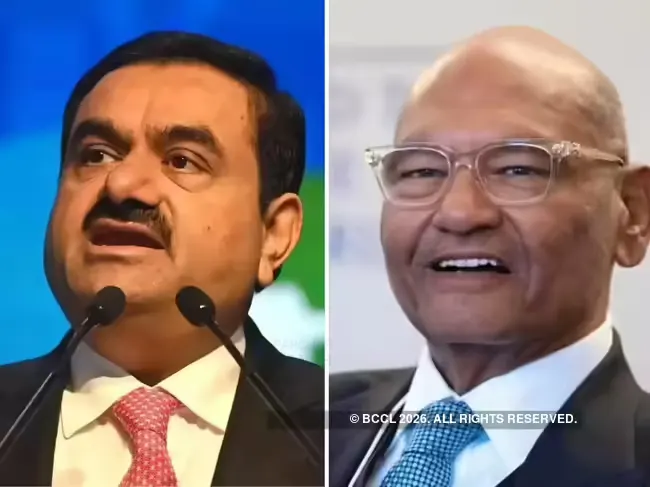
Anil Agarwal vs Adani: The ₹30,000 Cr Battle for JP Associates
When Anil Agarwal publicly raised concerns about India’s industrial future, it wasn’t just another business statement. It came at a time when his company, Vedanta Ltd, was locked in a high-stakes battle with the powerful Adani Group over the fate of Jaiprakash Associates.
What followed was a mix of courtroom drama, billion-dollar bids, market reactions, and strategic shifts that are now dominating India’s business headlines.
This is not just a corporate story. It is a story of power, strategy, and the future of India’s economy.
Featured Snippet: What Is the Anil Agarwal vs Adani Controversy?
The Anil Agarwal vs Adani controversy centres on the acquisition of Jaiprakash Associates, in which Vedanta challenged the approval of Adani Group’s bid.
The Supreme Court refused to halt Adani’s resolution plan, giving Adani a strategic advantage while Vedanta continues its financial restructuring and demerger plans.
The Turning Point: Supreme Court’s Decision
The biggest moment in this story came when the Supreme Court of India refused to stay Adani’s resolution plan.
What made this decision so crucial?
- Vedanta claimed it had offered a higher value
- Creditors still chose Adani’s plan
- The court allowed the process to continue
This decision effectively tilted the balance in favour of Adani Group.
For many observers, this was not just a legal outcome it was a signal that the certainty of execution matters more than headline numbers in India’s insolvency system.
Read More: EPFO Big Updates: How to Withdraw PF via UPI & New Salary Rules 2026
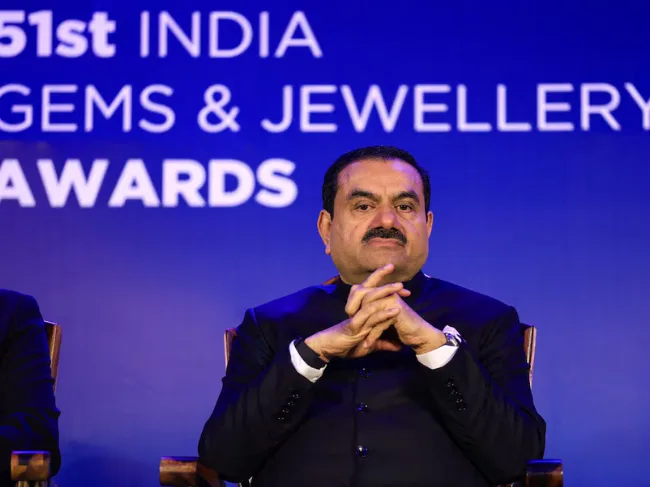
The Hidden Story: Why Adani Won Despite a Lower Bid
At first glance, it seems surprising that Adani’s bid was chosen over Vedanta’s. But here’s where the real story lies.
Creditors looked beyond the total value:
- Adani offered higher upfront cash
- Faster payment timelines
- Lower execution risk
In contrast, Vedanta’s offer, though potentially higher in value, involved longer timelines. This reflects a major shift in India’s financial ecosystem certainty is now more valuable than promises.
The Rise and Fall of Jaiprakash Associates
Once led by Jaiprakash Gaur, Jaiprakash Associates was a symbol of India’s infrastructure boom. But rapid expansion and heavy debt turned growth into a crisis.
What went wrong?
- Over-leveraging
- Delayed infrastructure projects
- Weak financial discipline
Today, it stands as one of India’s most valuable distressed assets. And that’s exactly why both Vedanta and Adani wanted it.
Why This Deal Matters More Than You Think
This is not just about one company acquisition.
It impacts:
1. India’s Infrastructure Future
Control over cement and construction assets shapes national growth.
2. Corporate Power Balance
The rivalry between Vedanta and Adani defines industry leadership.
3. Investor Confidence
Global investors are watching how India resolves such large cases.
Vedanta Strikes Back: Fitch Upgrade Changes the Narrative
Just when it seemed like a setback for Vedanta, a major positive development emerged. Fitch Ratings upgraded Vedanta Resources’ rating to BB its highest since 2015.
Why this matters:
- Signals improved financial health
- Reduces borrowing costs
- Boosts investor confidence
This shows that while Vedanta lost a battle, it is far from losing the war.
Read more: Top Legal Affairs 2026 in India: Cases, Judgments, and Policy Implications
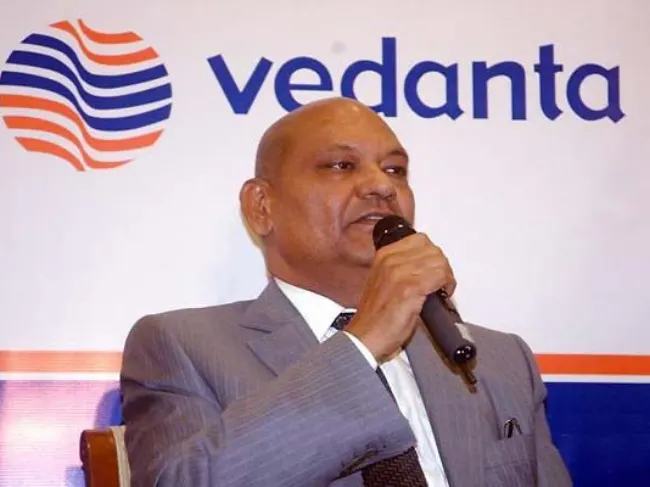
Stock Market Reaction: Investors Still Back Vedanta
Soon after, another boost came from JPMorgan Chase. The firm upgraded Vedanta’s rating from Neutral to Overweight.
Market impact:
- Shares jumped up to 3%
- Increased buying activity
- Positive investor sentiment
This indicates that institutional investors still see strong long-term potential.
The Bigger Move: Vedanta’s Demerger Strategy
While headlines focus on the Adani battle, Vedanta is quietly preparing a transformational move.
The plan:
Split into multiple independent companies:
- Aluminium
- Oil & Gas
- Power
- Base metals
Why it matters:
- Unlock hidden value
- Improve operational efficiency
- Attract specialised investors
If successful, this could redefine Vedanta’s future.
Anil Agarwal’s Warning: A Bigger Concern Beyond Corporate Battles
Amid all this, Anil Agarwal issued a serious warning about India’s steel ambitions.
He highlighted risks such as:
- Rising input costs
- Dependence on imports
- Policy inefficiencies
This shifts the conversation from corporate rivalry to national economic strategy.
Adani vs Vedanta: Who Is Really Winning?
Adani Group:
- Winning key acquisitions
- Expanding aggressively
- Strengthening infrastructure dominance
Vedanta:
- Improving financial position
- Receiving global upgrades
- Planning long-term restructuring
The reality is simple:
Adani is winning the short-term game, but Vedanta is playing a long-term strategy.
What This Means for India
This entire episode reflects major changes in India’s economy:
- Faster insolvency resolution
- Increased corporate consolidation
- Rising importance of execution over valuation
It also shows how India’s largest companies are competing to shape the country’s industrial future.
Read More: International Summits 2026: Highlights from Trade, Security, and Policy Announcements
FAQs
Why did Vedanta lose the JP Associates deal?
Vedanta lost because creditors preferred Adani’s offer due to the higher upfront payment and faster execution, even though Vedanta’s total bid value may have been higher.
What did the Supreme Court decide?
The Supreme Court refused to stay Adani Group’s resolution plan, allowing the acquisition process to continue.
Why is Jaiprakash Associates important?
It owns valuable assets in cement, infrastructure, real estate, and power, making it a strategic acquisition target.
What is Vedanta’s demerger plan?
Vedanta plans to split into multiple companies to unlock value and improve efficiency.
Is Vedanta financially stable?
Recent upgrades by Fitch Ratings and a positive outlook from JPMorgan suggest improving financial stability.