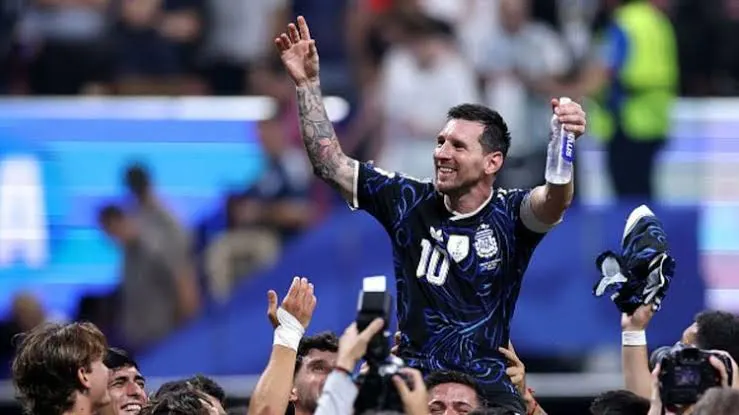
Argentina Defeats England in World Cup Semi-Final: Messi's Late Magic Sends England Home Again
There's a particular kind of heartbreak England fans know a little too well by now. It happened again on Wednesday night in Atlanta. Argentina defeats England in World Cup semi-final, 2-1, and if you watched even the last twenty minutes of it, you already know this wasn't a normal loss. It was the kind that arrives late, almost cruelly late, after England had done almost everything right for most of the match. Almost.
Why This Result Actually Matters
Football fans searching for this story right now aren't just looking for a scoreline. They want to understand how, again, England found a way to lose a game they were winning. And they want to know what this means going forward, for both teams, and for a rivalry that carries more weight than most people realize. This wasn't just about a semi-final spot. It touched old wounds too, the 1986 Maradona game, the Falklands War memory that still lingers whenever these two nations meet on a football pitch. So no, this match mattered beyond the ninety minutes.
Read More: Ramayana Trailer Launch: Why Nitesh Tiwari Is Turning a Movie Preview Into a National Event
What Actually Happened On the Pitch
Let's break it down simply. England took the lead in the 55th minute when Anthony Gordon finished off a cross from Morgan Rogers. For a while, it looked like England's cautious approach was working, Thomas Tuchel's side sitting back, protecting the lead, trying to see the game out. Which, in hindsight, might have been the problem.
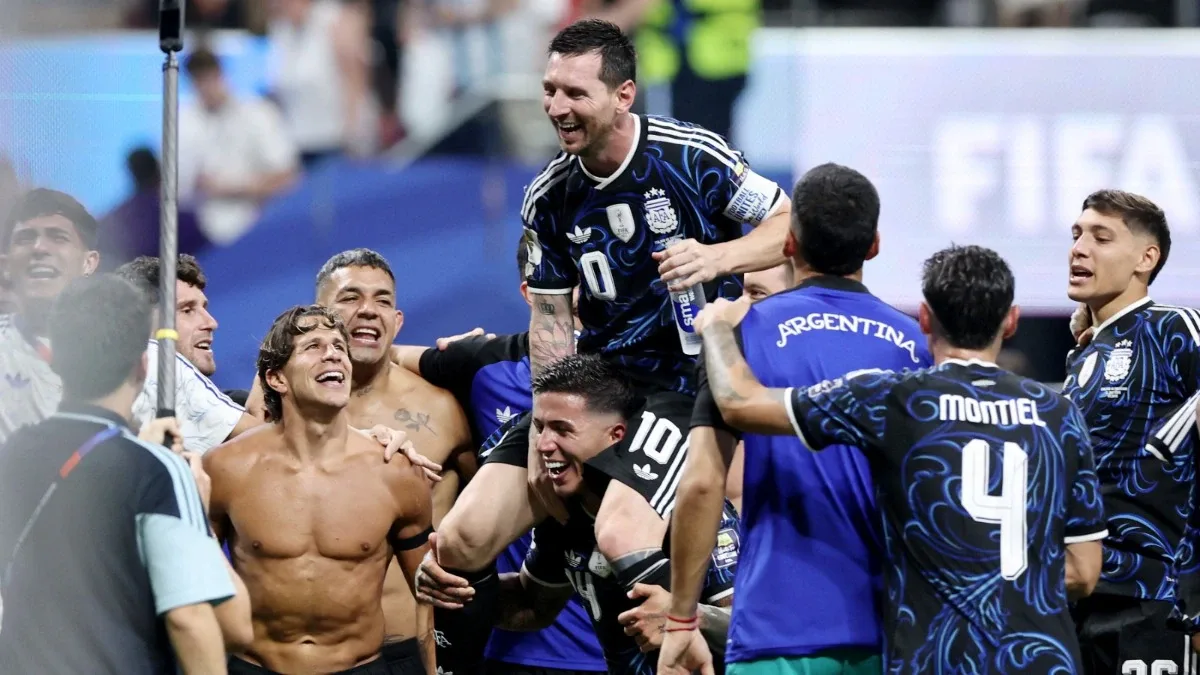
Argentina, the defending champions, have made a habit this tournament of scoring late, and they did it again. Enzo Fernández drew Argentina level in the 85th minute with a curling strike from outside the box, set up off a pass from Lionel Messi. Then, deep into stoppage time, in the 92nd minute, Messi crossed again and Lautaro Martínez headed home the winner. Two goals. Both created by Messi. Neither of them, notably, scored by Messi himself, which somehow makes his influence feel even bigger.
Think of it like a chess match where one player spends the whole game setting up pieces quietly, then delivers checkmate in the final two moves. That's roughly what happened here.
How Argentina Pulled It Off, Step by Step
- Stay patient early: Argentina absorbed pressure in a physical first half that saw yellow cards shown to both sides before halftime.
- Trust the late-game pattern: Entering this match, Argentina had already scored nine goals after the 75th minute across this tournament, a statistic that says everything about their mentality under pressure.
- Lean on Messi as the creator: Rather than forcing Messi to score, Argentina used him as the architect, both goals came directly from his passes.
- Capitalize when the opponent sits back: Once England committed to a more defensive setup after taking the lead, Argentina had space to work with late.
- Close it out through substitutions: England brought on taller defenders late trying to shore things up, but by then Argentina had already found its rhythm.
Read More: Elder Scrolls Online Layoffs: Inside the Cuts That Just Gutted One of Xbox's Biggest MMOs
Real-World Weight Behind the Numbers
This is Argentina's chance to win back-to-back World Cup titles, something no team has managed since Brazil in 1958 and 1962, back when Pelé was leading that side. That's the scale of what Lionel Scaloni's team is chasing now, against Spain in Sunday's final, after Spain eliminated France 2-0 earlier in the week.
For England, this marks another semi-final exit, echoing 2018, when they also lost at this stage. Harry Kane, England's captain, acknowledged afterward that the team had done well for large stretches but couldn't maintain control once Argentina found momentum. It's a familiar shape to England's tournament story, promising stretches undone by a costly late collapse.
Mistakes People Keep Making When Reading This Result
A common mistake is assuming England simply "choked." That's too simple, honestly, and a little unfair. Sitting deeper after taking a lead is a common, often reasonable strategy, it just didn't hold up against a team as relentless as Argentina in the final stretch. Another mistake is underestimating Messi's impact just because he didn't score. His two assists were the actual difference in the match, proof that goal-scoring stats alone don't capture everything.
Read More: Fidji Simo Steps Down From OpenAI: Inside Her Decision to Prioritize Health Over the No. 2 Job
Pro Tips for Understanding Tournament Football Like This
If you want to actually read a knockout match well, watch what happens after the 70th minute, that's often where tournament football is decided, not the opening exchanges. Also, pay attention to how a team behaves after taking an early lead. Teams that go fully defensive too soon often invite exactly the kind of pressure that beat England here.
Closing Thoughts
There's something almost poetic, and a little unfair, about how quickly ninety minutes of hard work can be undone in the final ten. England will look back at this and wonder about the what ifs, they usually do. Argentina, meanwhile, gets to write another chapter in a story that already feels historic, chasing a repeat title that hasn't happened in nearly seventy years. Sunday's final against Spain will decide how that story ends.
Read More: Israel Warns of New Iranian Plot to Assassinate Trump: What We Actually Know So Far
Disclaimer: This article is based on information available across the web. Parchar Manch does not take responsibility for its complete accuracy, as the content could not be fully verified.
FAQs
What was the final score between Argentina and England?
Argentina won 2-1 in the World Cup semi-final played in Atlanta.
Who scored the goals for Argentina?
Enzo Fernández and Lautaro Martínez scored, with Lionel Messi assisting both goals.
Who scored for England?
Anthony Gordon opened the scoring in the 55th minute.
Who will Argentina face in the World Cup final?
Spain, who defeated France 2-0 to reach the final.
When was the last time England won the World Cup?
England's only World Cup title came in 1966, on home soil.
Is this Argentina's chance at back-to-back titles?
Yes, Argentina is defending its title and chasing consecutive championships, a feat last achieved by Brazil in 1958 and 1962.