Australia's First H5N1 Bird Flu Case Detected in Western Australia — What It Really Means for the Country
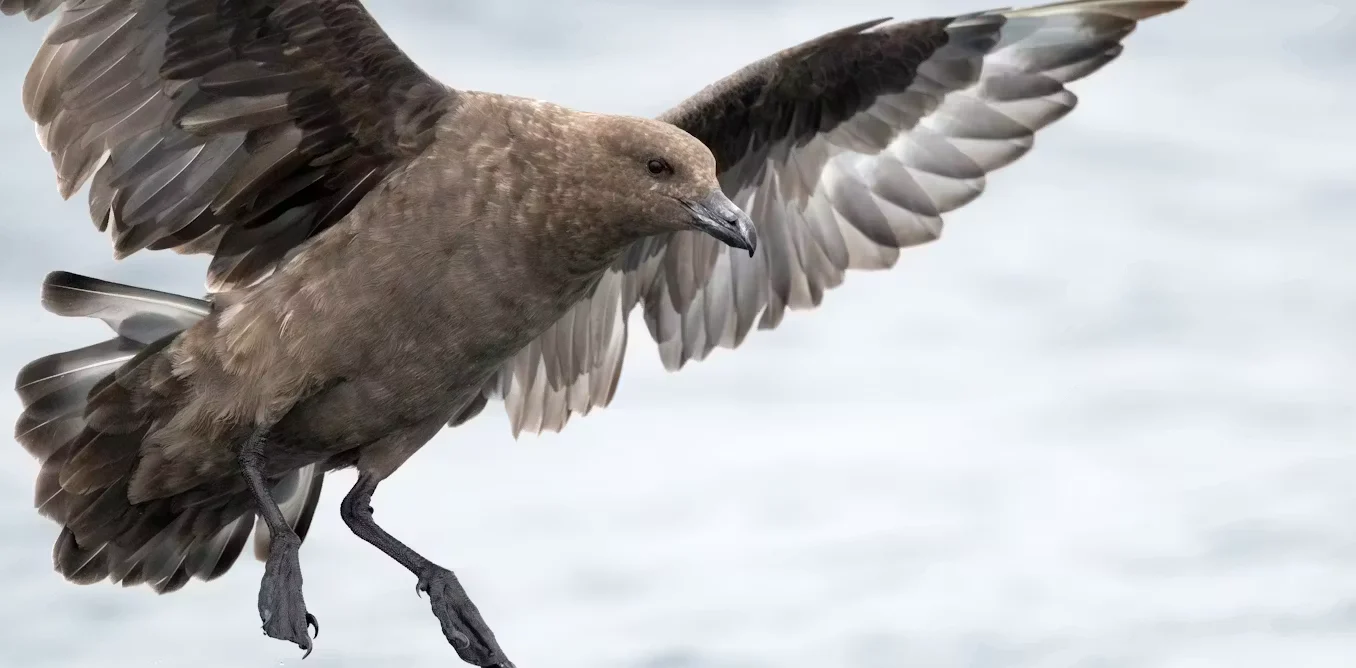
A dead seabird on a remote beach near Esperance changed everything. That single brown skua, found at Cape Le Grand National Park roughly 700 kilometres south-east of Perth, has officially made Australia the last major landmass to join a list no country wants to be on. Federal Agriculture Minister Julie Collins confirmed Australia's first case of highly pathogenic H5N1 bird flu has been detected in Western Australia.
The country held out for years. That's not luck it's geography. But the barrier finally broke.
Why Australia Had Stayed Safe from H5N1 Bird Flu — Until Now
Despite H5N1 circulating in Asia since the 1990s and reaching Antarctica in 2024, the virus had never been detected in Australia until now. The likely reason: there are no duck species that routinely migrate between Australia and Asia, nor ducks that migrate through Antarctica. Birds carrying the virus simply did not have a natural flight path into the continent.
That changed when the virus found different carriers. A suspected case of deadly H5 bird flu was confirmed in a brown skua found in Cape Le Grand National Park near Esperance. The virus is also suspected to have affected another seabird, a southern giant petrel, found at the same area. Samples were sent to CSIRO, confirming Australia's first cases of H5N1, specifically the clade 2.3.4.4b H5N1 lineage.
Clade 2.3.4.4b. Remember that name. It is the same strain driving the global outbreak that has devastated wildlife and livestock across dozens of countries.
What H5N1 Actually Is — For Anyone Who Needs a Plain Answer
Highly pathogenic avian influenza, or HPAI H5N1, is a strain of bird flu with an unusually high death rate in birds. Think of it as an extremely aggressive respiratory illness that moves fast through bird populations. Wild birds can carry it without obvious symptoms and spread it across thousands of kilometres. When it reaches a flock of domestic poultry, the consequences are severe mass deaths, forced culls, and enormous economic loss.
The global picture is sobering. The virus has been devastating for wild birds 33 to 47 percent of all adult northern gannets died in 2022 due to H5N1. On subantarctic Heard Island, 13,000 baby southern elephant seals died during the 2025 to 2026 summer.
Australia's poultry industry is now watching this very carefully.
How the Virus Likely Arrived in Western Australia
Despite the lack of ducks in Antarctica, the virus arrived there in the summer of 2023 to 2024 and subsequently spread thousands of kilometres through the subantarctic. Available evidence suggests birds like gulls, skuas, and giant petrels may have taken on the role of long-distance virus carriers in the Antarctic and subantarctic.
That is precisely what appears to have happened in Western Australia. The brown skua is a large seabird capable of travelling vast distances. It does not follow commercial flight paths. It follows fish. And it appears to have carried the avian influenza virus along the subantarctic corridor, all the way to the Australian coast.
This is not a freak occurrence. It is a predictable consequence of how far and fast this particular strain has spread globally.
Read More: YRF Spy Universe Just Changed Forever: Inside the Alpha Film Teaser with Alia Bhatt and Bobby Deol
What This Means for Australia's Poultry Sector and Biosecurity
The poultry and broader agricultural sector is nervously watching developments as Australia records two confirmed cases of the deadly strain of bird flu. Biosecurity Australia protocols are being elevated. Surveillance is being led by Western Australia, with CSIRO coordinating further testing.
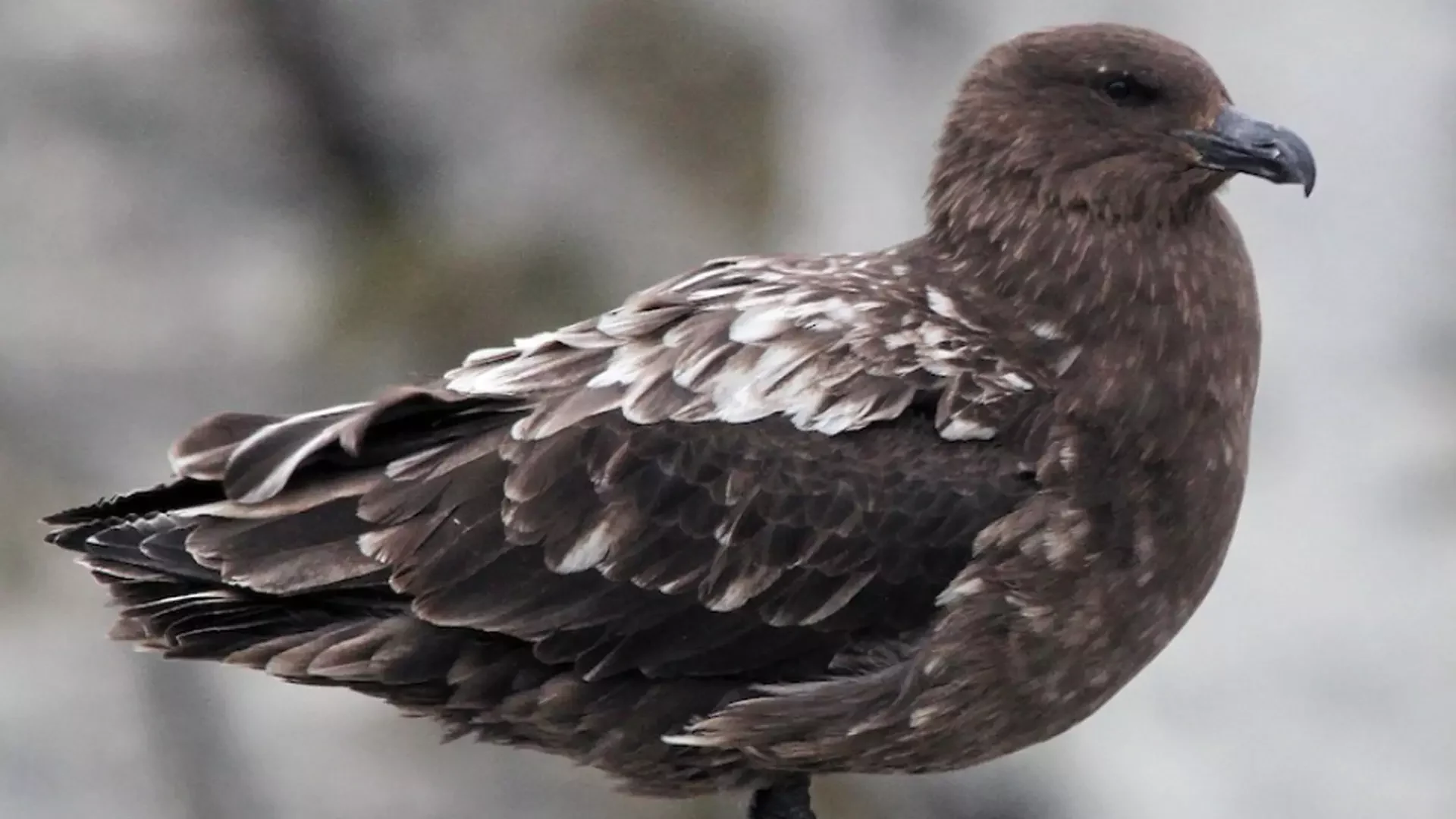
For now, the detections are in wild seabirds at a remote coastal location. There is no confirmed spread to domestic poultry. But experts are clear that the situation demands immediate and sustained wildlife surveillance, especially along coastal zones where migratory seabirds land.
Is There a Risk to Humans?
Low but not zero, and worth understanding clearly. More than 70 human cases of H5N1 have been confirmed since 2024 globally. Most involved direct, prolonged contact with infected birds or their environments. The virus does not spread easily between people. However, health authorities consistently monitor for any genetic mutations that could change that.
The average person in Australia faces no immediate risk. Someone working directly with wild seabirds in affected areas should use protective equipment and report any sick or dead birds to authorities.
Closing Thoughts
Australia spent decades being the exception. The combination of geography, bird migration patterns, and genuine biosecurity discipline kept H5N1 away while the rest of the world dealt with its spread. Continued surveillance and testing, being led by Western Australia, is critical to reveal the extent of the virus.
The brown skua on that Esperance beach was not a warning. It was a confirmation that the world is smaller than we think, and that viruses do not respect borders only biology.
Disclaimer: This article is based on information available across the web. Parchar Manch does not take responsibility for its complete accuracy, as the content could not be fully verified.
FAQs
What bird tested positive for H5N1 in Western Australia?
A brown skua found at Cape Le Grand National Park near Esperance was the confirmed case. A southern giant petrel found at the same location is also suspected to be infected. Both are migratory seabirds.
Is Australia's poultry at risk from this H5N1 detection?
There is currently no confirmed spread to domestic poultry. However, the agriculture sector has heightened biosecurity measures and surveillance is actively ongoing, particularly in Western Australia.
Can humans catch H5N1 bird flu in Australia?
The immediate risk to the general public is very low. Human infections globally have mostly involved direct contact with infected birds. Authorities advise people not to handle sick or dead birds and to report any such findings to wildlife or agricultural departments.
Why did H5N1 take so long to reach Australia?
Australia lacked the bird migration routes that carried the virus elsewhere. No duck species regularly migrate between Australia and Asia or Antarctica. Seabirds like skuas and giant petrels appear to have bridged that gap via the subantarctic.
What is clade 2.3.4.4b?
It is the specific genetic lineage of H5N1 responsible for the current global panzootic. It has spread to every major region of the world and is known for affecting an unusually wide range of bird species and some mammals.
What should people do if they find a dead seabird near Australian coastlines?
Do not touch it. Report it to your state's agriculture or environment department immediately. Local and federal authorities are actively looking for additional cases as part of the ongoing surveillance response.