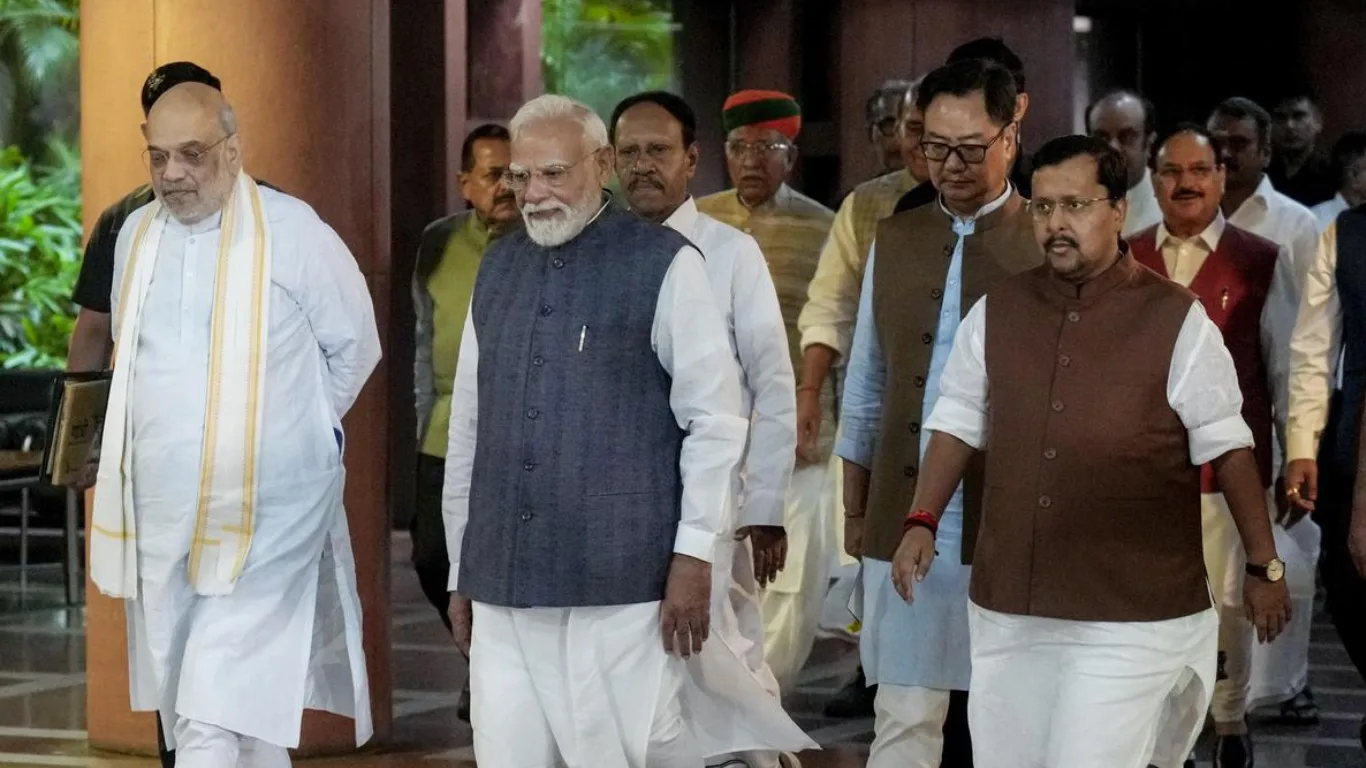
The Bankipur Bypoll Result Is a Warning the BJP Cannot Afford to Ignore
There is losing a seat, and then there is losing that seat. The Bankipur bypoll result falls firmly in the second category, and anyone following Bihar politics closely already senses it. This wasn't some marginal constituency where an upset was always plausible. This was BJP's own backyard, held for over a decade, and it just slipped away.
Why the Bankipur Bypoll Result Actually Matters
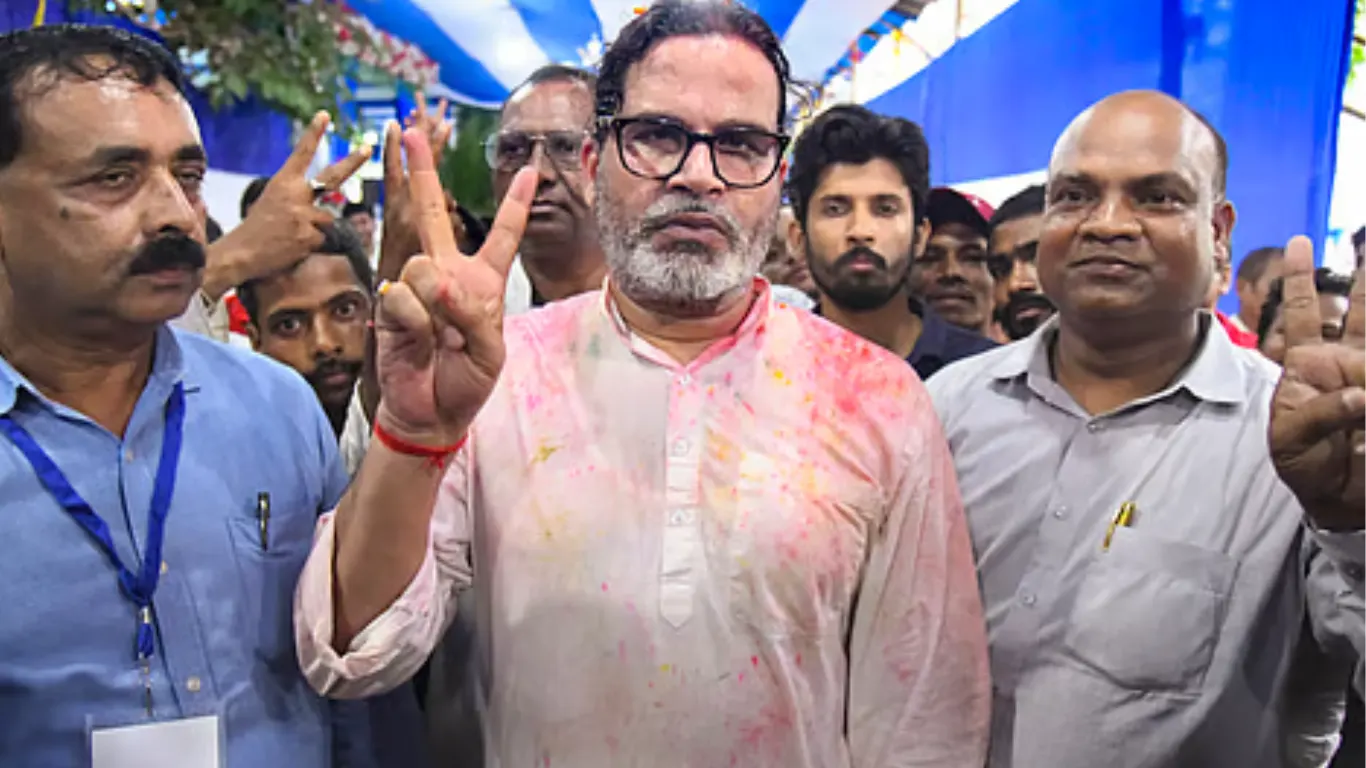
Numbers alone can make an election sound routine. This one isn't. Jan Suraaj founder Prashant Kishor won the seat by defeating BJP's Neeraj Kumar by roughly 19,000 votes, a wide enough margin that no one can call it a fluke. What makes it sting more is who the seat belonged to. Bankipur was represented for years by Nitin Nabin, now BJP's national president, before he moved to the Rajya Sabha earlier this year. His father held it before him.
In its current boundaries, BJP had never won it with less than 59 percent vote share since 2020.
So no, this isn't a story about one bad candidate or one unlucky evening of counting. It's a story about whether a party's safest ground is actually safe.
What "Losing a Stronghold" Really Means, in Plain Terms
Think of a stronghold like a house you've lived in for thirty years. You stop checking the locks because, well, nothing's ever gone wrong there. That's roughly what Bankipur was for BJP, an upper-caste-dominated, urban Patna seat where the party's vote share barely moved election after election. The BJP bypoll defeat here isn't just about one election cycle. It's the locks being tested, and someone getting in.
The Kayasth and broader upper-caste voters who anchored BJP's dominance didn't vanish. But a meaningful chunk of them didn't show up for the party this time, and that gap was wide enough for Kishor to walk through it.
How the Numbers Actually Shifted
Breaking it down helps, so here's the honest picture:
- In the 2025 Bihar Assembly election, Nitin Nabin had won this seat by over 51,000 votes. This time, BJP's candidate could only manage around 44,800 votes.
- RJD didn't gain either. Its candidate polled roughly 14,000 votes, a steep fall from the nearly 49,000 the party got in the main assembly election months earlier.
- Kishor pulled together an unusual coalition for a single bypoll, retaining support among Dalits, and among more backward and extremely backward caste voters, while also drawing in younger voters and government employees.
That last point deserves a pause. A caste coalition built quietly, seat by seat, is exactly the kind of thing that starts small and becomes a pattern if nobody addresses it.
MUST READ: Anurag Thakur Privilege Notice Against Rahul Gandhi: What Actually Happened in Parliament
Real-World Examples of Why This Isn't New, Just Louder
Bypoll upsets happen. History is full of them, and BJP itself has weathered plenty over the past decade without much long-term damage. But Bankipur is different for a specific reason: it's not a marginal seat with a shaky history. Compare it to, say, a seat BJP won narrowly last time; losing that wouldn't raise many eyebrows. Losing a seat where the party's lowest ever margin was 29 percentage points is a different conversation entirely.
Mistakes Political Observers (and Parties) Often Make Here
It's tempting, and honestly common, to dismiss a single bypoll loss as noise. Wrong candidate, low turnout, one-off protest vote, the excuses write themselves. The mistake isn't making these observations, some of them are probably even true. The mistake is stopping there. A Bihar bypoll upset inside a party's most loyal territory rarely stays isolated if the underlying cause, in this case a caste coalition quietly assembling against the incumbent, goes unaddressed.
What Political Strategists Would Quietly Point Out
Here's the part that doesn't always make the headlines. Kishor didn't win Bankipur by inventing a new voter base out of nowhere. He won it by making inroads into BJP's own base while holding onto opposition-leaning voters who might otherwise have drifted elsewhere. That's a harder trick to pull off than winning with a party's traditional vote bank alone, and it's exactly why psephologists are treating this result as more than symbolic.
For BJP, the practical lesson is this: urban upper-caste dominance in Bihar cannot be assumed to hold automatically anymore. It has to be actively managed, seat by seat, the same way any contested constituency would be.
Closing Thoughts
One seat doesn't rewrite Bihar's political map. NDA still governs the state comfortably. But there's a quiet kind of urgency in results like this one, the sort that doesn't show up in headlines about seat counts but shows up later, in how a party campaigns the next time around. Bankipur was supposed to be safe. It wasn't. That gap between assumption and reality is usually where the next surprise comes from.
MUST READ: How Opinion Polls 2026 Influence Political Campaign Strategies and Voter Decisions
FAQs
What was the Bankipur bypoll result?
Jan Suraaj's Prashant Kishor defeated BJP's Neeraj Kumar by around 19,000 votes, ending BJP's long hold on the seat.
Why is Bankipur considered a BJP stronghold?
The seat was held by Nitin Nabin, now BJP's national president, and his father before him, with BJP's vote share never dropping below 59 percent since 2020.
Did RJD benefit from BJP's loss in Bankipur?
No. RJD's vote share fell sharply too, dropping from around 49,000 votes in the assembly election to about 14,000 in the bypoll.
What caste groups shifted in this election?
Reports suggest BJP retained Kayasth support but lost ground among other upper-caste voters, while Kishor drew support from Dalits, MBC, EBC, and younger voters.
Does this result affect BJP's overall control of Bihar?
Not directly. The NDA retains its governing majority in the state; this loss is significant symbolically rather than numerically.
Why did Nitin Nabin not contest this bypoll himself?
He vacated the seat earlier this year after moving to the Rajya Sabha, which is what necessitated this bypoll in the first place.