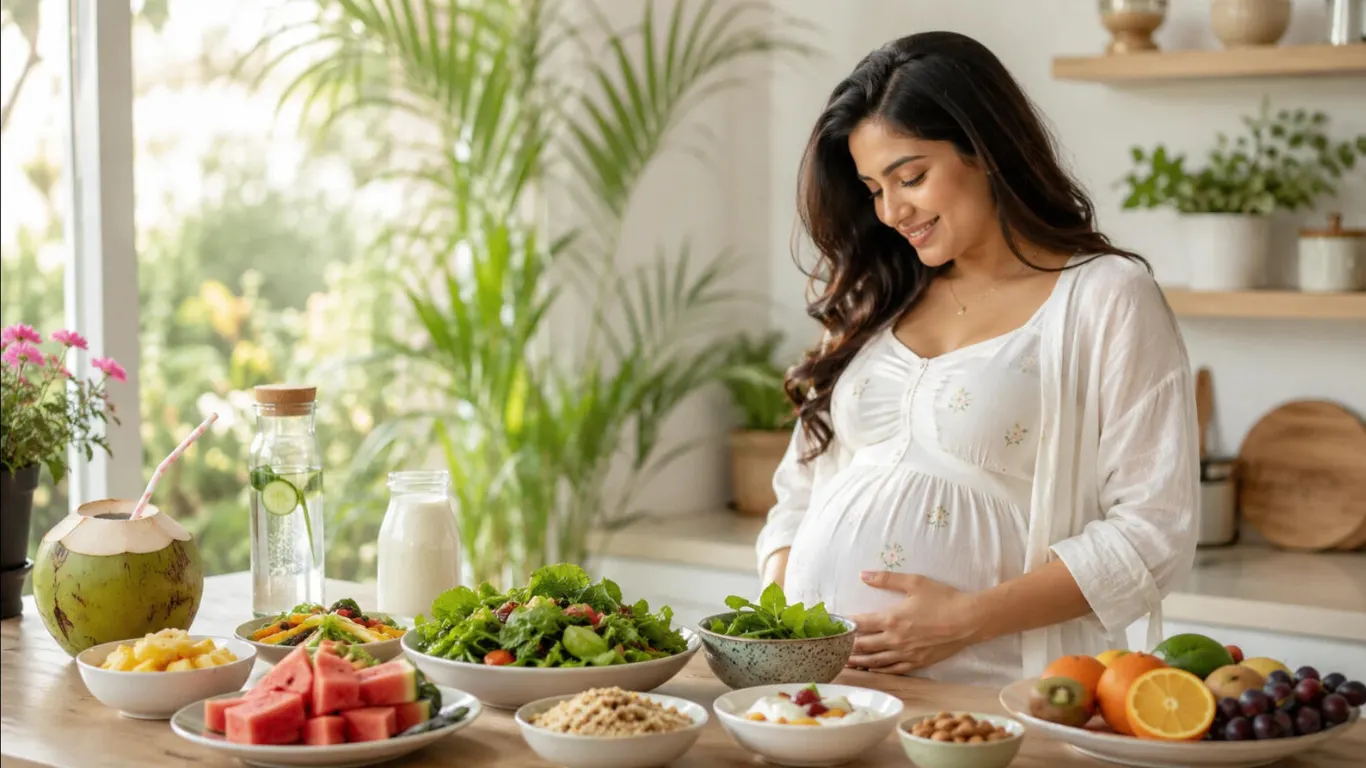
Best Foods to Eat During Pregnancy: Quick Tips for a Healthy Prenatal Diet
When you are pregnant, it changes how you think about eating. A simple breakfast suddenly raises questions. Do I have enough food? Do I need to eat more? What nutrients does my baby require? The search for the most nutritious foods during pregnancy typically comes with a familiar sort of confusion, especially in the initial few months.
The positive side is that eating well during pregnancy doesn't have to mean following a perfectly planned menu. Healthy nutrition for pregnant women is about choosing diverse and nutritious food items that you eat regularly and focusing on nutritional factors that benefit both the mother and her developing baby.
Why the Best Foods to Eat During Pregnancy Matter
Foods provide the vitality and nutrition needed to support the various changes taking place within the body. A well-balanced diet before birth helps to maintain the health of the mother as well as providing essential elements for the baby's development.
The most nutritious foods you can eat during pregnancy are typically nutrient-dense and not just loaded with calories. This is because pregnancy boosts the demand for many nutrients, such as calcium, protein, folate, iron, as well as other minerals and vitamins.
Adequate nutritional support for pregnant women can support the development and growth of your baby. It also makes it easier to satisfy your nutrition needs without having to rely heavily on processed food. However, this doesn't mean that every meal has to be flawless. It's about the overall structure that is the most important thing.
What Should a Healthy Pregnancy Diet Actually Include?
Imagine your pregnancy diet like putting together an entire meal instead of trying to find one magic food. The most nutritious foods during pregnancy are from various food groups since each provides something valuable.
Fruits and vegetables are rich in nutrients, minerals and fibre. Whole grains provide energy and fibre. Eggs, beans, lentils, dairy, nuts, fish and seeds, as well as other sources of protein, can supply protein and other important nutrients.
To get the most nutrition during pregnancy, try to incorporate diverse food groups and colours throughout the day. A dish of vegetables, dal and curd, for instance, is a good option for a balanced diet. Fruit and yoghurt with eggs and toast with whole grain or oats topped with nuts could also be incorporated into a healthy diet.
The most nutritious foods during pregnancy aren't always expensive or unique. The foods you eat every day can do a lot of the job.
Folic Acid Rich Foods Should Be Part of the Plan
One of the most important aspects of nutrition for pregnant women is ensuring that you get sufficient folate. Folic acid-rich foods could include green leafy vegetables, beans, as well as citrus fruits and fortified grains.
Folate is especially important during the time of pregnancy, as it helps to support normal development. That's why the foods that are high in folic acid should be considered even if morning sickness or a change in appetite makes eating regular meals difficult.
Try adding spinach and other leafy vegetables to your meals, consuming lentils and beans regularly and including fruits in your everyday routine. These folic acid-rich foods will help you maintain a diverse diet before birth.
Food is just one aspect of the equation. A medical professional might suggest supplements for prenatal care based on the particular requirements. The advice must be followed instead of just guessing.
Iron-Rich Foods for Pregnancy Deserve Extra Attention
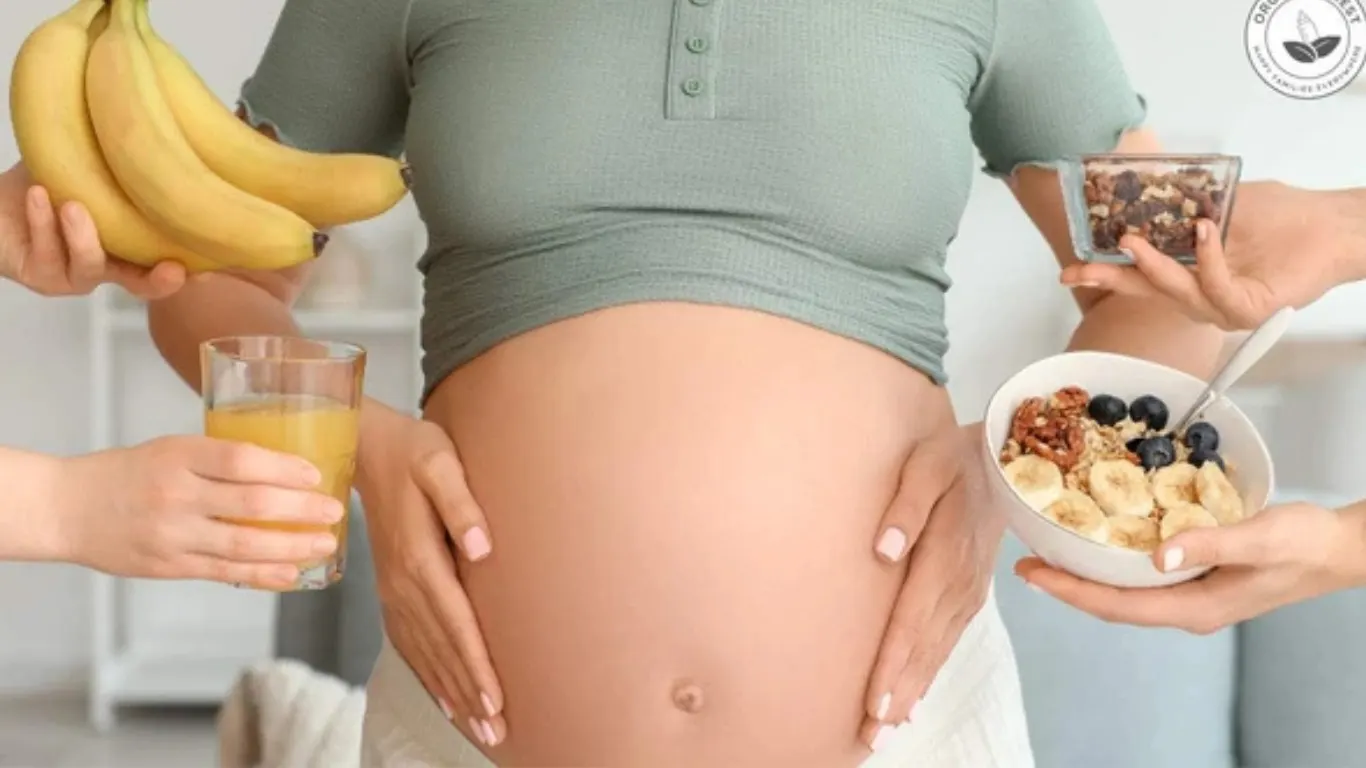
The requirement for iron may increase during pregnancy, which makes the iron-rich food choices for pregnant women particularly essential. Good sources of iron include eggs, lean meats and beans, lentils, green leafy vegetables and cereals fortified with iron.
An effective strategy is to pair plant-based iron-rich foods for pregnant women with vitamin C-rich sources. For instance, lentils paired with tomatoes, or a meal that contains leafy greens, followed by an orange may help with iron absorption.
The best food choices during pregnancy will therefore be an assortment of protein and iron sources. A regular intake of iron-rich food items during pregnancy can be a crucial component of nutrition for pregnant women.
If fatigue or weakness is an issue, don't just assume that food will fix all problems. A medical professional can determine whether tests or supplements are required.
Must read: 10 Foods for Healthy and Glowing Skin: Best Foods for Glowing Skin
A Simple Step-by-Step Way to Build a Prenatal Diet
The simplest approach is often the most feasible.
Begin with protein sources during meals. Include fruits or vegetables. Use whole grains when possible. Incorporate healthy fats in your diet, like nuts, seeds and avocado, if they're appropriate. Look at certain nutrients that require more care, like those found in folic acid-rich food items as well as iron-rich foods during pregnancy.
For instance:
- Breakfast can include eggs, toast with whole grain and fruits.
- Lunch can include dal rice, vegetables, roti and curd.
- A snack may include nuts, fruit and yoghurt.
- A meal can include lentils, beans, vegetables as well as a grain that is suitable.
These meals do not have to be a strict rule. They just show how the most nutritious food choices during pregnancy are able to be integrated into daily life.
Foods to Avoid During Pregnancy: The Safety Side of Eating Well
Being aware of foods to stay clear of when pregnant is as crucial as knowing the foods you can add. Certain foods could pose an increased risk of foodborne illness, or have chemicals that are hazardous during pregnancy.
The most common foods to stay clear of while pregnant include eggs that have been cooked or raw, meat, milk products that are not pasteurised and fish that have high levels of mercury. Food hygiene is also important. Cleanse your produce, cook meals carefully and then store the leftovers in a safe manner.
This is when a nutritious eating plan for prenatal nutrition is more than just a nutrition exercise. Safe food preparation is an essential part of the nutrition of a pregnant woman as well.
Always consult a licensed medical professional regarding personal limitations, particularly if there are medical issues related to pregnancy or other issues, or if you have questions regarding supplements.
Must read: How Much Water Should You Drink Daily? The Answer Isn't What You Think
Mistakes People Make When Choosing the Best Foods to Eat During Pregnancy
A common error is to think pregnancy implies eating for two. In reality, the main focus should be on nutrition quality, not just increasing the amount of food consumed.
Another concern is the need to avoid every food. Knowing what foods to stay clear of during pregnancy is important; however, excessive anxiety can cause eating to be stressful. An approach that is practical is preferable.
Many people overlook food sources of folic acid since they concentrate on protein. Other people ignore iron-rich foods during pregnancy until they start feeling unusually exhausted. A well-balanced eating plan for pregnancy is more effective when all the nutrients are considered in conjunction.
There is also the pursuit of perfection. It's probably the least beneficial objective of all. Food aversions, morning sickness and busy days can happen. Return to healthy choices as you are able.
Pro Tips for Better Pregnancy Nutrition Every Day
Maintain simple, nutritious meals on hand. Nuts, fruits, yoghurt, roasted chickpeas, and easy meals cooked at home help you make healthy choices more easily.
Drink plenty of water throughout your entire day. Include foods high in folic acid often, instead of trying to consume a large amount in one go. Make sure to rotate foods that are iron-rich during pregnancy throughout the week for meals.
The most nutritious foods during pregnancy will depend on your particular factors, such as food preferences and medical needs. This is why personalised guidance from a physician or a qualified dietitian can be beneficial.
Think about patterns. A single meal is not the only thing that defines your diet during pregnancy.
Must read: Early Signs of Pregnancy Before Missed Period: Symptoms You Shouldn’t Ignore
Closing Thoughts
The hunt for the best food choices when pregnant can make eating healthy appear complicated. But it doesn't have to be.
Create a diverse food plan before conception that includes high-quality foods that are rich in folic acid and iron-rich foods for pregnant women frequently, learn the most important foods to stay clear of during pregnancy and seek expert guidance if something seems unclear.
Smaller choices, made often, are able to quietly create solid foundations.
FAQs
What are the best food items to eat while pregnant every day?
The most nutritious foods to consume during pregnancy comprise a wide variety of fruits, vegetables, whole grains, protein-rich dairy products, or other appropriate alternatives, including seeds, nuts and other nutrient-rich food items that support the nutrition of a pregnant woman.
Why are folic acid-rich foods so important during pregnancy?
Foods high in folic acid can provide folate, an essential nutrient that is vital for normal development. Greens, beans, citrus fruits, and lentils, as well as fortified grains, are all common sources.
What are some iron-rich food items for pregnant women?
The most beneficial iron-rich foods to eat during pregnancy could include lean meat, eggs, beans, lentils, leafy green veggies and cereals fortified with iron. Individual iron needs may vary.
What are the foods to avoid during the course of pregnancy?
The most important foods to stay clear of during pregnancy could include undercooked or raw animal products, raw or unpasteurised food items, as well as certain high-mercury seafood. Safe handling of food is important.
Do I require a specific diet for my baby?
A diet for prenatal babies doesn't necessarily mean eating outside the norm. It's about following a balanced eating plan that is able to meet your nutritional requirements and following the instructions from your doctor.