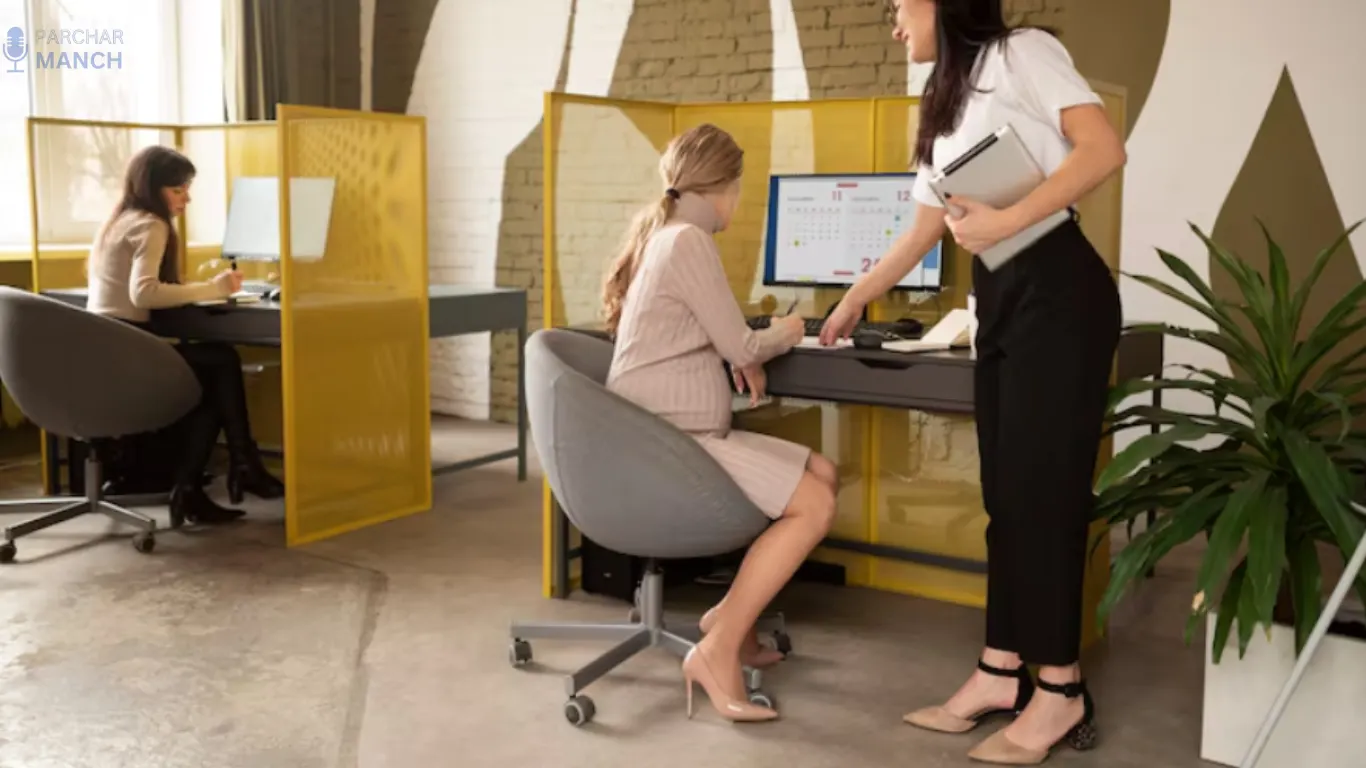
Best Office Interior Design Trends 2026
There’s a subtle shift happening in how workspaces look and feel , almost like a quiet change in the air, barely noticeable until one day you realise it’s everywhere. Office Interior Design Trends 2026 are no longer about flashy décor or just impressive aesthetics. They are about comfort, productivity, well‑being, and the way our minds and bodies interact with the spaces we spend most of our waking hours in. Work isn’t just a place where we sit anymore , it’s an experience. And this experience begins the moment someone walks through the office door.
In 2026, offices are becoming more human‑centric and less corporate‑cold. Every choice , from the colour palette to the seating arrangement, from lighting to even the flow of walking paths , is being reconsidered with deeper purpose. The keyword here isn’t just “beautiful office”, it’s functional, healthy, and flexible environments that quietly support the people who use them every day. So let’s walk through the most important Office Interior Design Trends 2026 in easy, simple language , the kind that even someone new to design can read, understand, and apply.
What Are Office Interior Design Trends 2026 and Why They Matter
Think of office spaces not as boxes with desks, but as ecosystems , environments where people work, interact, rest, think, and solve problems. Office Interior Design Trends 2026 reflect a mindset shift: productivity is linked to comfort, comfort is linked to health, and health is woven into every design choice.
Traditional cubicles are slowly fading. People want:
- Flexible spaces
- A sense of personal comfort
- Areas that support focus and collaboration
- Interiors that reduce stress, not add to it
And all of this changes how we think about layouts, materials, colours, lighting, acoustics, and connectivity.
You might think , isn’t this just about looks? But it’s deeper. The way a workspace feels impacts energy, attention, creativity, and even long‑term well‑being. That’s why Office Interior Design Trends 2026 are more than just decoration , they are intentional solutions for modern work life.
1. Flexible and Adaptable Workspace Layouts
In 2026, rigidity feels old. Rigid means fixed, fixed means unchanging, and unchanging rarely supports dynamic work. Offices today are embracing flexible zones that change as work changes.
Here’s what this means in practice:
- Moveable partitions
- Multi‑purpose areas
- Adjustable seating
- Modular tables that can be rearranged
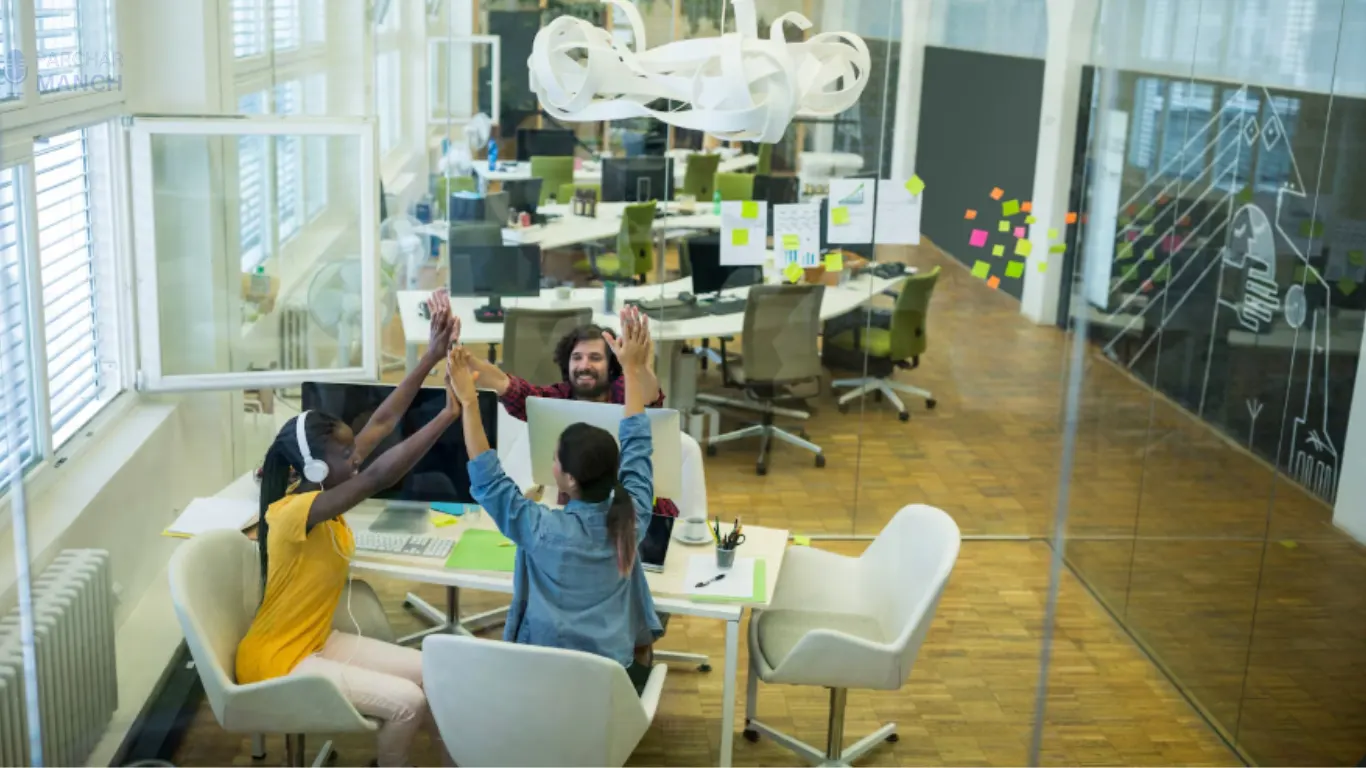
Instead of assigned desks, employees can choose spaces based on tasks. Need privacy? There’s a nook for that. Want collaboration? There’s an open pod.
In these designs, the workspace layout becomes more like a flexible stage , ready to shift with the needs of the day. And because nothing feels permanent, the room feels lighter, less rigid, and more alive.
2. Biophilic Design Elements for Well‑Being
There’s something almost instinctive about greenery. A plant in a corner, a living wall near the entrance, vines peeking into glass partitions , these are quiet but powerful elements of modern design.
Biophilic design means bringing nature into the office. In Office Interior Design Trends 2026, this is not a fad , it’s rooted in science. Natural elements:
- Improve air quality
- Reduce stress
- Increase comfort
- Enhance focus
- Create a calming environment
Natural wood, stone textures, indoor plants, and abundant daylight help connect the office to nature. The workplace doesn’t have to imitate a forest , just a hint of organic life makes an environment feel breathable and humane.
3. Comfort‑Driven Ergonomic Workstations
Gone are the days of rigid chairs that feel like punishment after long hours. Today, ergonomic comfort is a priority, and it’s one of the defining themes of Office Interior Design Trends 2026.
Ergonomics isn’t just about nice chairs , it’s about reducing physical strain:
- Adjustable chairs
- Sit‑stand desks
- Footrests, arm supports
- Screen height adjustments
These details may feel subtle, but they reduce fatigue and help employees work longer without discomfort. Over time, this also shows up as fewer health complaints and a more comfortable work culture overall.
Ergonomics is not a luxury , it’s prevention. It prevents discomfort, tension, and distraction.
4. Collaborative Hubs and Quiet Zones
2026 offices are learning to strike a balance , work isn’t only solo focus or loud team discussion. It’s both, in the right measure.
This is reflected in how spaces are organised:
- Open collaboration hubs where teams can gather
- Quiet zones for deep work
- Phone booths for private calls
- Small meeting pods for casual brainstorming
Instead of forcing everyone into the same pattern of work, modern Office Interior Design Trends 2026 recognise that work varies , and the space should support that variation.
When a space honours different kinds of work, attention doesn’t battle noise , it finds its place.
5. Natural Light and Layered Lighting Strategies
Light affects how we feel. Warm light in the evening feels comforting. Bright daylight boosts alertness. This is why lighting isn’t just a fixture , it’s part of the architecture.
Modern office interiors focus on:
- Maximising daylight exposure
- Using soft ambient lighting
- Task lighting on workstations
- Adjustable lamps
A good workspace layout brings light in without glare. Glass partitions, translucent shades, skylights , these elements let daylight reach deeper into rooms.
Layered lighting feels natural, almost like a day unfolding rather than a single flat brightness. It supports mood, reduces eye strain, and makes long hours gentler on the body.
6. Sustainable and Healthy Materials
No one wants to inhale chemical smells from paint or glossy materials that look slick but feel artificial. Today’s offices prefer:
- Non‑toxic paints
- Recycled materials
- Low‑VOC finishes
- Natural textiles
Read More : New Real Estate Policy Updates 2026: What Has Changed for Property Buyers?

This is part of Office Interior Design Trends 2026 because health no longer sits on the margin of design , it’s central to it.
Choosing sustainable materials is both a design ethic and a practical choice. It retards wear, sustains health, and aligns with environmental consciousness. Offices are places of life , they should feel alive, not artificial.
7. Personalised Spaces and Micro‑Environments
Interestingly enough, people don’t always want the same thing. One person likes a bright window seat. Another prefers slight shade. Some like quiet focus; others like ambient buzz.
So modern design embraces personalisation.
- Adjustable partitions
- Light dimmers at individual desks
- Private pods
- Personal storage that feels integrated
A workspace layout that honours individual choice feels more humane. It says , your work, your comfort, your choice.
And that’s a big shift from the one‑size‑fits‑all office models of the past.
8. Technology Integration Without Noise
Technology is part of work. But it should fade into the background , like good sound design in a film: you notice its effect, not its presence.
Offices in 2026 are blending tech quietly:
- Wireless charging stations
- Integrated meeting screens
- Touchless controls
- Smart occupancy sensors
These devices support collaboration and comfort , but they don’t dominate the décor. They are like quiet partners in work , always ready, never intrusive.
The modern office lifts up technology without letting it shout.
9. Acoustic Comfort for Focus and Balance
If an office is a conversation, then acoustics are its rhythm. Too much echo, too much noise , nothing feels right.
So, contemporary Office Interior Design Trends 2026 pay attention to sound:
- Acoustic panels
- Sound‑absorbing ceiling materials
- Carpet use to reduce reflection
- Quiet furnishings
Balancing sound is as important as balancing light or layout. It creates a place where thoughts rise and flow , not get drowned by chatter or chatter bounce.
10. Cultural Identity in Design
Workplaces are not neutral spaces. They echo the identity of the organisation, its values, and its story. In 2026, office design reflects culture more than ever.
- Local materials
- Inspirational zones
- Art that tells a meaning
- Branding that feels human
Instead of generic corporate templates, offices are becoming recognisable places. They feel like home base , not just cubicles with logos.
This gives employees a sense of belonging , subtle, pervasive, quiet , like a gentle reassurance that you’re in the right place.
Latest Directions in Office Interior Design Trends 2026
As workplaces stabilise after waves of remote work, hybrid schedules, and changing worker expectations, interiors are becoming anchors. They provide consistency, comfort, safety, and connection.
Current priorities include:
- Wellness‑oriented spaces
- Environmentally conscious materials
- Technology that supports without distraction
- Flexible areas that adapt
- Natural light and greenery
These aren’t random features. They are answers to human needs in modern work life.
Conclusion
When we look at Office Interior Design Trends 2026, we notice a theme: human first. Workplaces are not just about desks and chairs anymore. They are about well‑being, comfort, flexibility, and adaptability. Offices are designed to support focus and collaboration with equal care. Natural light and sustainable materials make environments healthier and more comfortable.
Flexible and personalised spaces reduce stress and uplift creativity. Technology quietly supports functions without overwhelming aesthetics. Acoustic comfort, biophilic elements, and multi‑zone layouts make offices feel more humane and less like sterile workboxes. In 2026, design becomes a partner in work, not just a backdrop. The office evolves into a space that nurtures, balances, and inspires , where people don’t just work, but feel well while working.
Disclaimer: This article is based on information available across the web. Parchar Manch does not take responsibility for its complete accuracy, as the content could not be fully verified.
Read More : Best Government Housing Schemes 2026 for First-Time Home Buyers in India
FAQs
What are the key components of modern Office Interior Design Trends 2026?
A thoughtful workspace layout reduces distractions, supports task‑based work zones, and enhances flow between focus and collaboration areas. This improves comfort and attention, leading to better productivity throughout the day.
How does a workspace layout influence employee productivity?
A thoughtful workspace layout reduces distractions, supports task‑based work zones, and enhances flow between focus and collaboration areas. This improves comfort and attention, leading to better productivity throughout the day.
Why is biophilic design important in office interiors?
Biophilic design brings nature into the office , through plants, natural materials, and patterns inspired by nature. This trend improves air quality, reduces stress, and creates a calming ambience, which supports both well‑being and productivity.
Can office interiors improve employee well‑being?
Yes. Using ergonomic workstations, natural lighting, quiet zones, and healthy materials helps reduce physical strain and mental fatigue. These design choices make work more comfortable and sustainable in the long run.
Are smart technologies part of office design in 2026?
Absolutely. Smart technologies like wireless charging, touchless controls, and integrated meeting systems are part of Office Interior Design Trends 2026, but they are used subtly, enhancing convenience without dominating the design.