Bhiwandi Building Collapse: A "Dangerous" Tag Wasn't Enough To Save Kohinoor Building
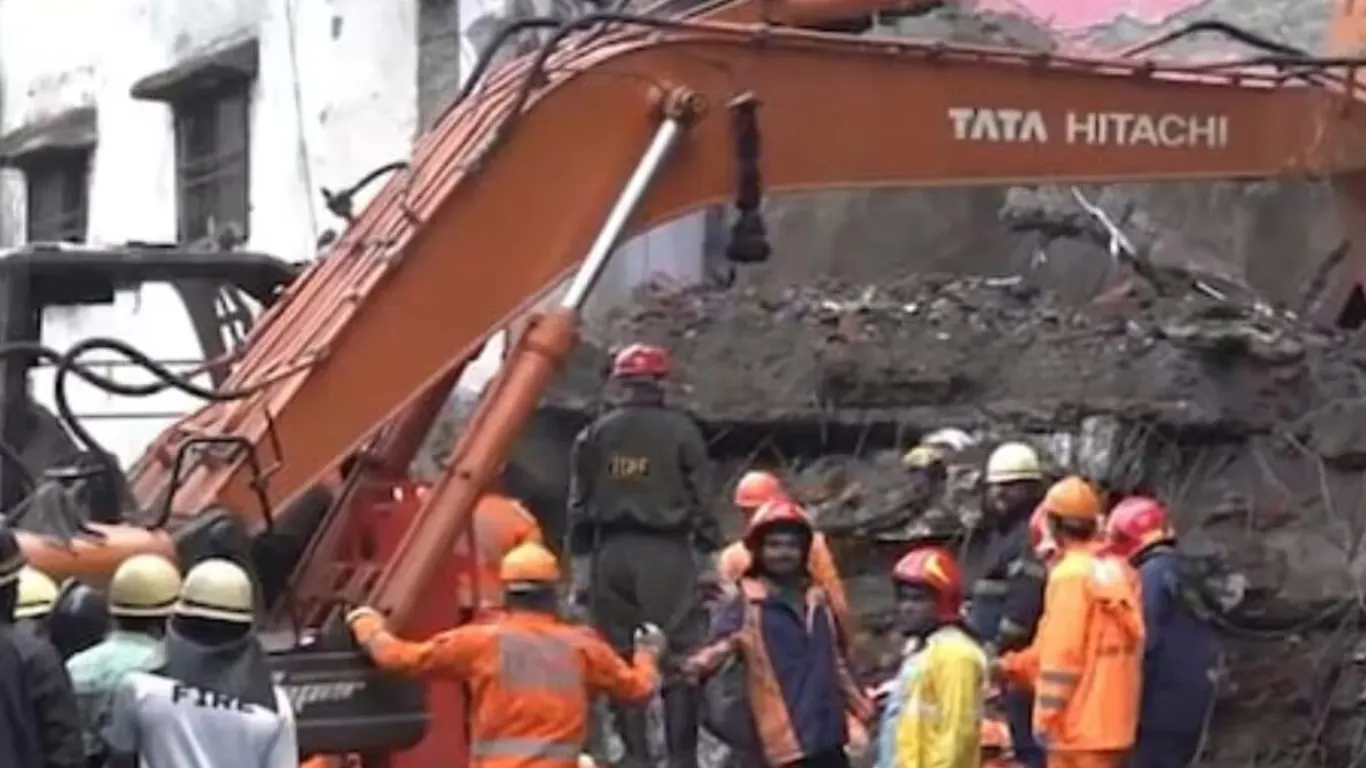
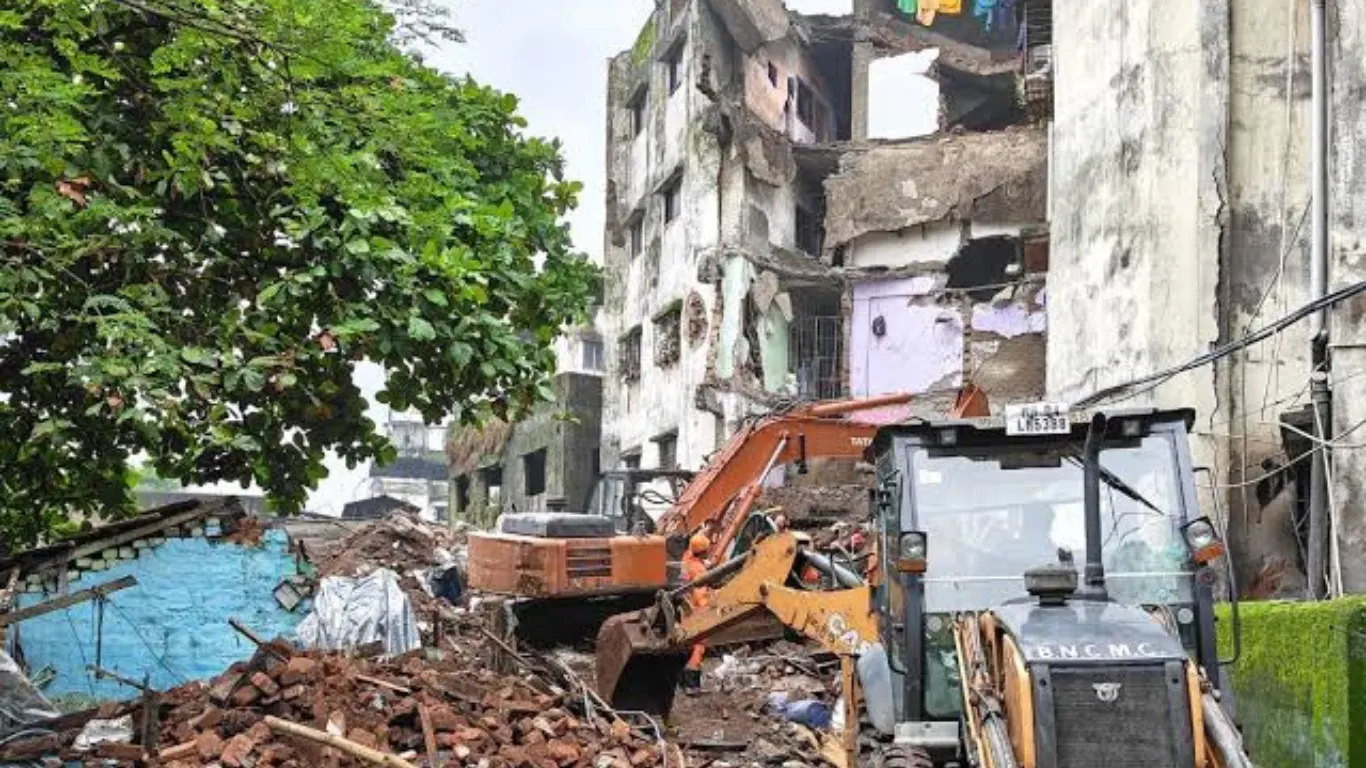
Around 9 p.m. on Thursday, residents near Balaji Nagar in Bhiwandi heard something they will not forget soon, loud cracking sounds coming from inside a building everyone already knew was falling apart. By 11:30 that night, a portion of the four-storey Kohinoor Building had come down. Nine people are confirmed dead so far, and the search under the rubble hasn't stopped.
The Building Had Already Been Marked "Dangerous"
Here's the part that makes this hit differently. This wasn't a sudden, unpredictable disaster. The Bhiwandi-Nizampur Municipal Corporation had already classified Kohinoor Building under Category C, meaning extremely dilapidated and unsafe for habitation. Most residents had been evacuated because of that warning. Yet renovation work was still going on at the ground floor when the structure gave way, and that's where most of the casualties happened.
The building had 48 rooms spread across four floors, twelve to a floor. When the cracking sounds started around 9 p.m., locals didn't wait for officials, they began pulling families out themselves, and managed to get close to 150 people to safety. But while some residents were still trying to make their way out, the building's B wing suddenly collapsed, trapping those who hadn't cleared the site in time.
What Survivors Actually Went Through
One survivor, Deepak Kumar Yadav, described going to sleep after dinner and being jolted awake by the sound of the building coming down, saying he had to jump from the first floor just to get out alive. Another resident, Neha Singh, is still searching for her husband, who had gone downstairs minutes before the collapse to check on something and hasn't been reachable since, even though his phone keeps ringing.
Rescue teams from the NDRF pulled a woman out alive from the debris hours into the operation and rushed her to hospital, a small but real moment of relief in an otherwise grim night. Officials estimate that around six to seven workers may still be trapped, most of them believed to be labourers who were on site for the ongoing repair work.
Read more: https://www.parcharmanch.com/blog/meta-india-head-case-why-arun-srinivas-is-facing-an-fir-over-modi-videos
Why This Keeps Happening In Bhiwandi
If this feels familiar, that's because it is. Bhiwandi, a powerloom town roughly 50 kilometers from Mumbai, has a long, painful history with building collapses, going back to a 2020 tragedy at Jilani Building that killed dozens. What makes this recurring is not bad luck, it's ageing, unauthorised, and poorly maintained structures packed tightly together in a fast growing industrial town.
Bhiwandi's mayor, Narayan Chowdhari, didn't sugarcoat the scale of the problem after this latest collapse, revealing that somewhere between 130 and 140 buildings in the town are currently classified as most dangerous and need to be vacated immediately. That's not a footnote to this story, that's arguably the real story, a town sitting on a stockpile of structures waiting to fail.
The Official Response, Fast But Familiar
Maharashtra Chief Minister Devendra Fadnavis ordered an immediate FIR against those responsible and directed strict action, along with assurances of treatment for the injured. Disaster Management Minister Girish Mahajan confirmed the death toll and said search operations were continuing on site. NDRF and SDRF teams, along with local disaster control units, have been working through the debris using cutting equipment and search dogs.
It's a response pattern anyone following Indian disaster news will recognise. Officials arrive fast, condolences are issued fast, an FIR gets ordered fast. What historically moves slower is the actual demolition or repair of the hundreds of other buildings sitting in the same dangerous category across the same town.
What This Means If You Live In An Old Building
If you're in a similarly ageing structure anywhere in India, this isn't just someone else's tragedy to scroll past. Warning signs like cracking sounds, visible tilting, or a Category C notice from your local civic body are not things to wait out. The residents who survived this collapse are alive largely because they acted the moment they heard those cracks, not after.
A Quiet, Necessary Question
Every time a Bhiwandi building falls, the same numbers come up eventually, dozens of similar structures still standing, still occupied, still ignored until the next one gives way. Nine deaths and counting is the immediate tragedy here. A hundred and thirty more buildings waiting for the same fate is the part that should worry a lot more people than it currently does.
Disclaimer: This article is based on information available across the web. Parchar Manch does not take responsibility for its complete accuracy, as the content could not be fully verified.
Read more: https://www.parcharmanch.com/blog/india-increases-diesel-and-jet-fuel-export-levies-why-your-flight-ticket-and-fuel-bill-might-feel-it-soon
FAQs
How many people have died in the Bhiwandi building collapse?
At least nine people have been confirmed dead so far, with a few more still believed trapped under the debris.
Which building collapsed and where exactly?
A portion of the four-storey Kohinoor Building in the Balaji Nagar area of Bhiwandi, Maharashtra, collapsed late on Thursday night.
Why did the building collapse if it was already marked dangerous?
It had been declared Category C, unsafe for habitation, and mostly evacuated, but renovation work continued on the ground floor, where the collapse caused the most casualties.
What is being done for the people still trapped?
NDRF and SDRF teams, along with local fire and disaster units, are continuing search and rescue operations using specialised equipment and search dogs.
Is this the first such collapse in Bhiwandi?
No, Bhiwandi has seen several building collapses over the years, including a major one in 2020, largely due to old, poorly maintained structures in the area.