
Common Symptoms of Stress Disorders You Shouldn’t Ignore
Stress, it doesn’t always arrive loudly. Sometimes it sits quietly in your chest like a tight knot you forgot to untie. You go about your day, answering calls, making tea, replying to messages , and something feels, off.
Not broken, not dramatic. Just heavy. And this is often where the symptoms of stress disorders begin. Small. Easy to dismiss. Easy to explain away. In recent mental health updates shared by organisations like the World Health Organisation and the American Psychological Association, stress-related conditions in adults are rising steadily. But the problem is, many people don’t notice the early changes.
They wait for burnout. They wait for collapse. But the body usually whispers before it screams. This article is here to help you notice those whispers , the symptoms of stress disorders that often go ignored until they become something bigger.
What Are Stress Disorders, Really?
A stress disorder isn’t always about panic attacks or crying spells. Sometimes it’s just waking up tired even after sleeping eight hours. Sometimes it’s snapping at someone you love , and not knowing why.
Over time, these early signs of stress disorder can slowly shape your thoughts, behaviour, and even your physical health. You might notice subtle mental stress warning signs like overthinking or constant worry.
Or maybe some quiet emotional stress symptoms like irritability, sadness, or feeling numb for no clear reason. And then there’s the body , always honest. Because how stress affects the body is not just emotional, It’s deeply physical, too.
Early Symptoms You Shouldn’t Ignore
When the symptoms of stress disorders begin, they rarely feel dramatic. They feel ordinary. That’s why they slip past us.
Here are some common early signs of stress disorder:
- Trouble falling asleep even when you're tired
- Feeling restless or “on edge” most of the time
- Forgetting small things again and again
- Feeling overwhelmed by simple daily tasks
- Sudden mood swings or irritation
Read More: High Blood Sugar and Memory Loss: Link & Natural Solutions
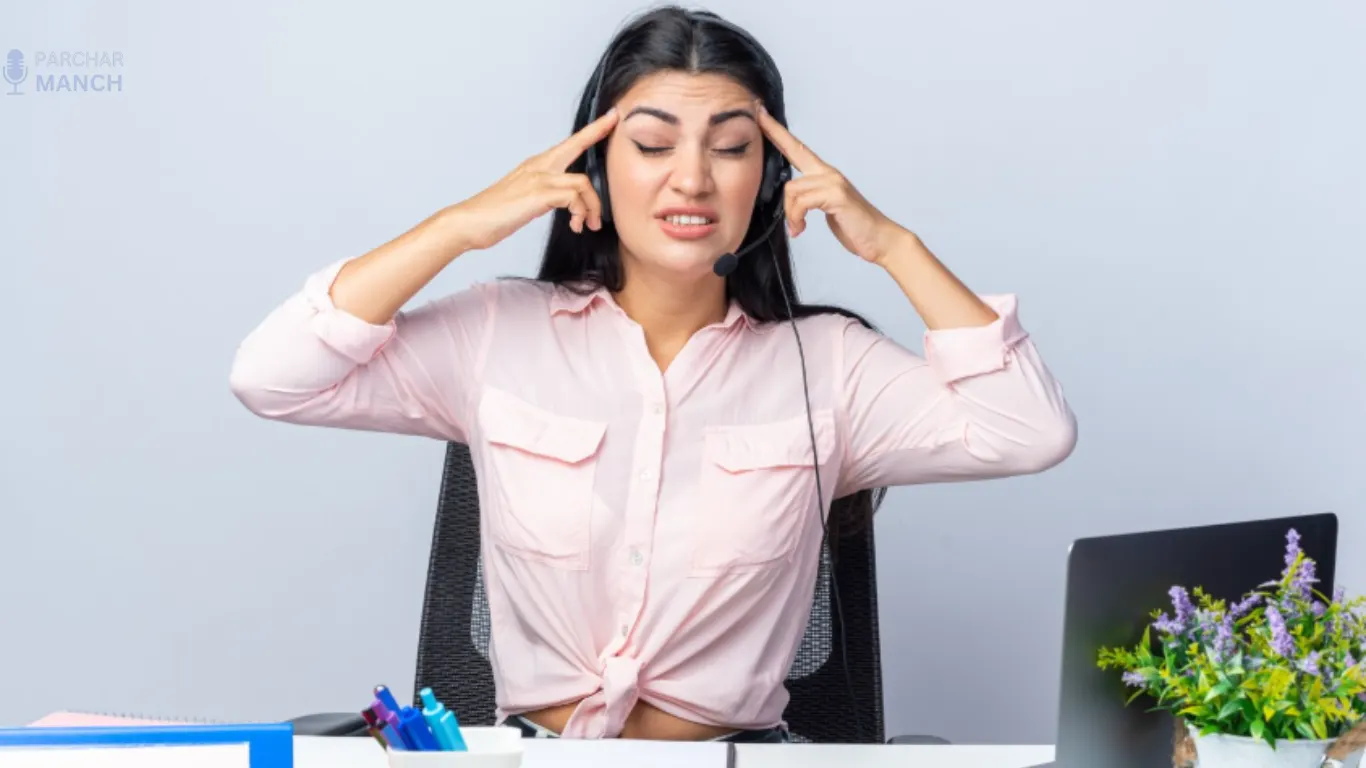
These may seem like small inconveniences, but they are often the first mental stress warning signs your mind sends when it’s under too much pressure.
Left unnoticed, these signs of chronic stress slowly become your new normal.
Emotional Symptoms That Feel Hard to Explain
Emotions under stress are strange. They change colour, texture , sometimes they become too loud, sometimes too quiet.
Some very common emotional stress symptoms include:
- Feeling anxious without any clear reason
- Sudden anger or frustration
- Low motivation or constant sadness
- Feeling helpless or hopeless
- Losing interest in things you once enjoyed
In many cases of stress disorder in adults, people say things like, “I just don’t feel like myself anymore.” That’s not weakness , that’s one of the strongest mental stress warning signs. And yes, these are also important signs of chronic stress that deserve attention.
Physical Symptoms That Your Body Shows First
Sometimes the mind hides what the body reveals. The physical symptoms of stress are often the first visible symptoms of stress disorders , even before emotional changes appear.
Watch out for:
- Frequent headaches
- Tight muscles or neck pain
- Fast heartbeat
- Stomach problems
- Constant tiredness
- Chest discomfort
- Sudden sweating
These physical symptoms of stress are how your nervous system reacts when it feels constantly threatened. This is exactly how stress affects the body , slowly, silently, and often without warning. Over time, repeated signs of chronic stress, like fatigue or digestive issues, may develop into serious health problems.
Mental Changes That Don’t Feel Like Stress at First
Stress doesn’t always feel like pressure. Sometimes it feels like confusion. Some common mental stress warning signs include:
- Difficulty focusing
- Negative thinking
- Racing thoughts
- Poor decision-making
- Forgetfulness
- Constant worry
Read More: Ayushman Bharat Health Policy Explained: Benefits, Eligibility & Latest Updates

Many people with stress disorder in adults experience these changes for months without realising they are linked to stress. These are also early signs of stress disorder that often go unnoticed because they feel like personality changes rather than health concerns. But they matter , deeply.
Behavioural Changes That Are Easy to Miss
Stress slowly changes habits. Sleep patterns shift. Eating patterns change.
You might notice:
- Sleeping too much or too little
- Emotional eating
- Avoiding social situations
- Nail biting or pacing
- Increased use of alcohol or smoking
These behaviours are not random. They are common symptoms of stress disorders and clear signs of chronic stress. They also show how stress affects the body by disturbing natural routines and hormonal balance.
How Stress Affects Adults Differently
In cases of stress disorder in adults, symptoms often appear differently than in teenagers or children.
Adults may experience:
- Work burnout
- Relationship tension
- Constant financial worry
- Loss of confidence
- Chronic fatigue
These experiences combine emotional pressure with real-life responsibilities , creating both emotional stress symptoms and physical symptoms of stress at the same time. And again, this is how stress affects the body , through both the mind and the lifestyle it shapes.
When Early Signs Turn Into Chronic Stress
Ignoring early signs of stress disorder often leads to long-term complications.
You may notice ongoing:
- Anxiety
- Digestive issues
- High blood pressure
- Sleep disorders
- Frequent illness
These long-term signs of chronic stress are often the result of untreated mental stress warning signs that slowly worsen. In adults, untreated stress disorder can even affect immunity, hormone balance, and heart health. And yes , these ongoing physical symptoms of stress are serious.
Conclusion
Stress is not always loud. Sometimes it shows up as tired eyes, a restless night, or a strange kind of sadness that doesn’t go away. The symptoms of stress disorders often begin quietly , as small emotional shifts, subtle behavioural changes, or minor health issues we brush aside.
But over time, these early signs of stress disorder grow into deeper mental stress warning signs and even visible physical symptoms of stress. Understanding the signs of chronic stress is not about fear , it’s about awareness.
Because once you notice how stress affects the body, you can begin to take steps toward balance. Many cases of stress disorder in adults improve when symptoms are recognised early. So if something feels off , even slightly , pause. Listen. Your mind and body may be trying to tell you something important.
Disclaimer: This article is based on information available across the web. Parchar Manch does not take responsibility for its complete accuracy, as the content could not be fully verified.
Read More: How Yoga & Meditation Improve Mental Health (Science-Backed Benefits)
FAQs
What are the most common symptoms of stress disorders?
The most common symptoms of stress disorders include emotional changes like anxiety or sadness, physical problems like headaches or fatigue, and mental issues like poor focus or constant worry. These symptoms may seem small at first, but can grow over time if ignored.
How can I recognise the early signs of stress disorder in daily life?
Some early signs of stress disorder include trouble sleeping, feeling overwhelmed easily, mood swings, and forgetfulness. These mental stress warning signs often appear slowly and may feel like normal tiredness or frustration at first.
Can stress cause physical health problems in adults?
Yes, stress disorder in adults can lead to serious physical symptoms of stress like chest pain, digestive issues, muscle tension, and even high blood pressure. This clearly shows how stress affects the body beyond emotional health.
What emotional stress symptoms should not be ignored?
Important emotional stress symptoms include sudden anger, sadness, low motivation, or feeling hopeless without any reason. These are also common signs of chronic stress and should be addressed early.
Why is it important to understand mental stress warning signs?
Recognising mental stress warning signs, like overthinking or poor concentration, helps in identifying the symptoms of stress disorders early. This can prevent long-term signs of chronic stress and support better mental and physical health.