
Complete First-Time Home Buyer Guide 2026: EMI, Down Payment & Loan Tips
Buying your first home, it sounds exciting at first. Then you start checking property prices. Then EMIs. Then, loan eligibility. Then that one word keeps repeating in your head , down payment. And suddenly it feels like standing in front of something very big and very quiet.
This First-Time Home Buyer Guide 2026 is for that exact moment. Because buying your first home is not just about money. It is about understanding how EMI works, how much down payment you actually need, what loan tips matter in 2026, and what mistakes you should quietly avoid before they become expensive ones. If you are planning to buy your first property this year, this guide will walk you through everything in simple, noob-friendly language.
Why You Need a First-Time Home Buyer Guide 2026
Most first-time buyers make decisions emotionally. Location looks good. Builder sounds convincing. The sample flat smells nice. And before you realise, paperwork starts.
But in 2026, things are slightly different. Interest rates, loan eligibility rules, and property pricing patterns are changing. Which means your planning needs to change too.
This First-Time Home Buyer Guide 2026 helps you:
- Understand how EMI really works
- Know how much down payment you should pay
- Avoid loan rejection mistakes
- Prepare a proper new buyer checklist
- Follow the right property buying tips

Buying without planning is easy. Buying smart needs preparation.
Understanding EMI: What You Will Actually Pay
EMI sounds simple.
Monthly payment, right?
But it is not just your house price divided by the years. EMI includes:
- Principal amount
- Interest rate
- Loan tenure
- Processing fees
So if your home loan is ₹40 lakh at 8.5% interest for 20 years, your EMI might be around ₹34,000 to ₹36,000 monthly.
And this EMI stays with you for years.
This is why in this First-Time Home Buyer Guide 2026, experts suggest your EMI should not be more than 30%–40% of your monthly income. Anything beyond that, starts affecting your lifestyle. Slowly at first. Then suddenly.
Down Payment: How Much Is Enough in 2026?
Here is something many new buyers misunderstand.
You cannot take a loan for 100% of the property value.
Banks usually finance:
- 75% to 90% of the property cost
Which means you need to arrange:
- 10% to 25% down payment
For example:
- Property price = ₹50 lakh
- Bank loan = ₹40 lakh
- Your down payment = ₹10 lakh
Read More: Upcoming Infrastructure Developments in India 2026 That Will Increase Property Value
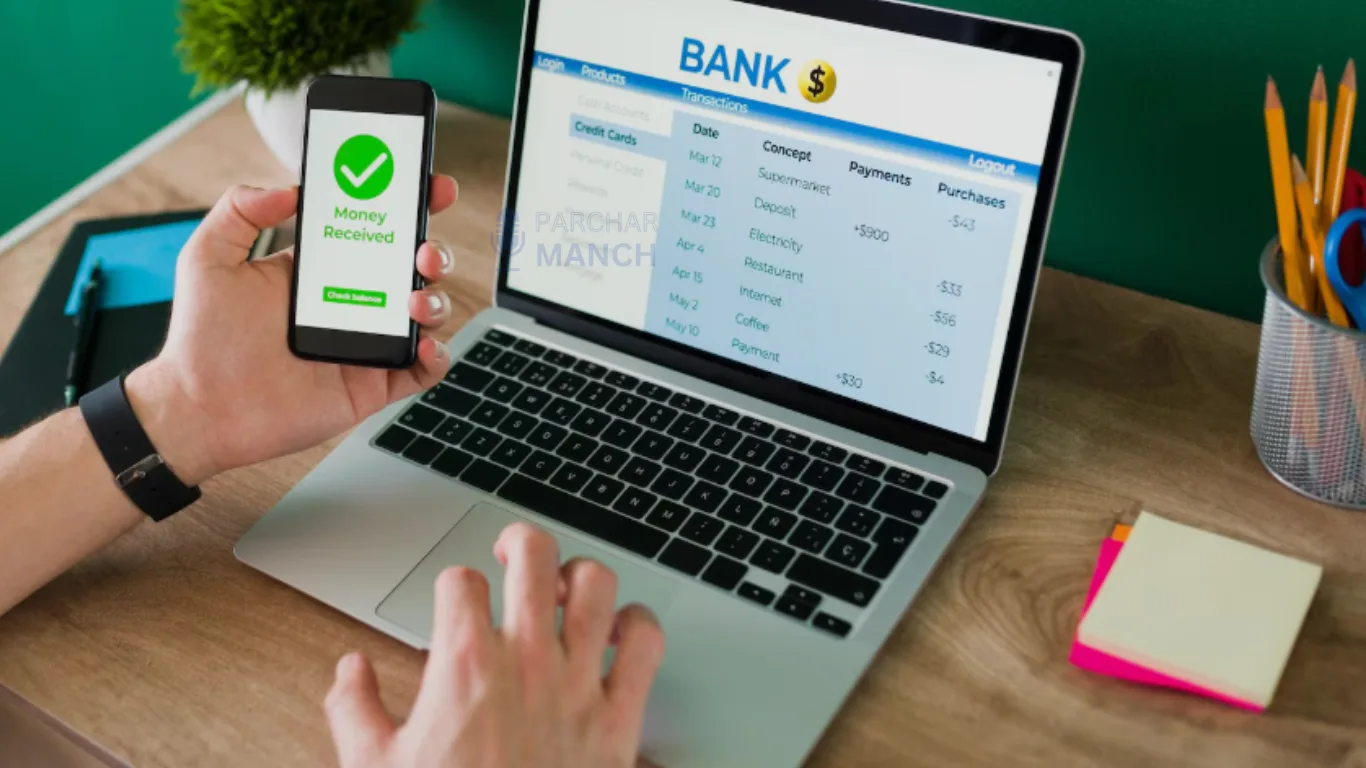
And that ₹10 lakh needs to be ready before registration. So, in this First-Time Home Buyer Guide 2026, one of the most important property buying tips is: Start saving for a down payment at least 1–2 years before buying. Because arranging it suddenly is, difficult. No, honestly , stressful.
Home Loan Eligibility in 2026
Before approving your loan, banks check:
- Monthly income
- Job stability
- Credit score
- Existing loans
- Age
- Property documents
If your credit score is above 750, your loan approval chances increase.
A simple new buyer checklist before applying for a home loan should include:
- Clear credit card dues
- No unpaid EMIs
- Stable job history
- Valid income proof
- Income tax returns
Following this new buyer checklist can improve your loan approval chances in 2026.
Loan Tips Every First-Time Buyer Should Know
In this First-Time Home Buyer Guide 2026, there are a few loan tips that are often ignored:
- Choose a longer tenure for lower EMI
- Prepay the loan when possible
- Compare interest rates from different banks
- Check floating vs fixed interest options
- Avoid taking personal loans before applying
Small decisions affect long-term payments.
Following the right property buying tips at this stage can save lakhs of rupees over time.
Additional Costs You Should Not Ignore
Many first-time buyers calculate only the property cost.
But the actual buying cost includes:
- Stamp duty
- Registration charges
- GST (for under-construction property)
- Legal fees
- Maintenance deposit
- Parking charges
So your ₹50 lakh home might actually cost ₹55–₹57 lakh in total.
This is why this First-Time Home Buyer Guide 2026 strongly recommends keeping an extra 5%–8% budget for additional charges.
Property Documents Checklist
Your new buyer checklist should always include document verification:
- Title deed
- RERA registration
- Approved building plan
- Encumbrance certificate
- Completion certificate
- Sale agreement
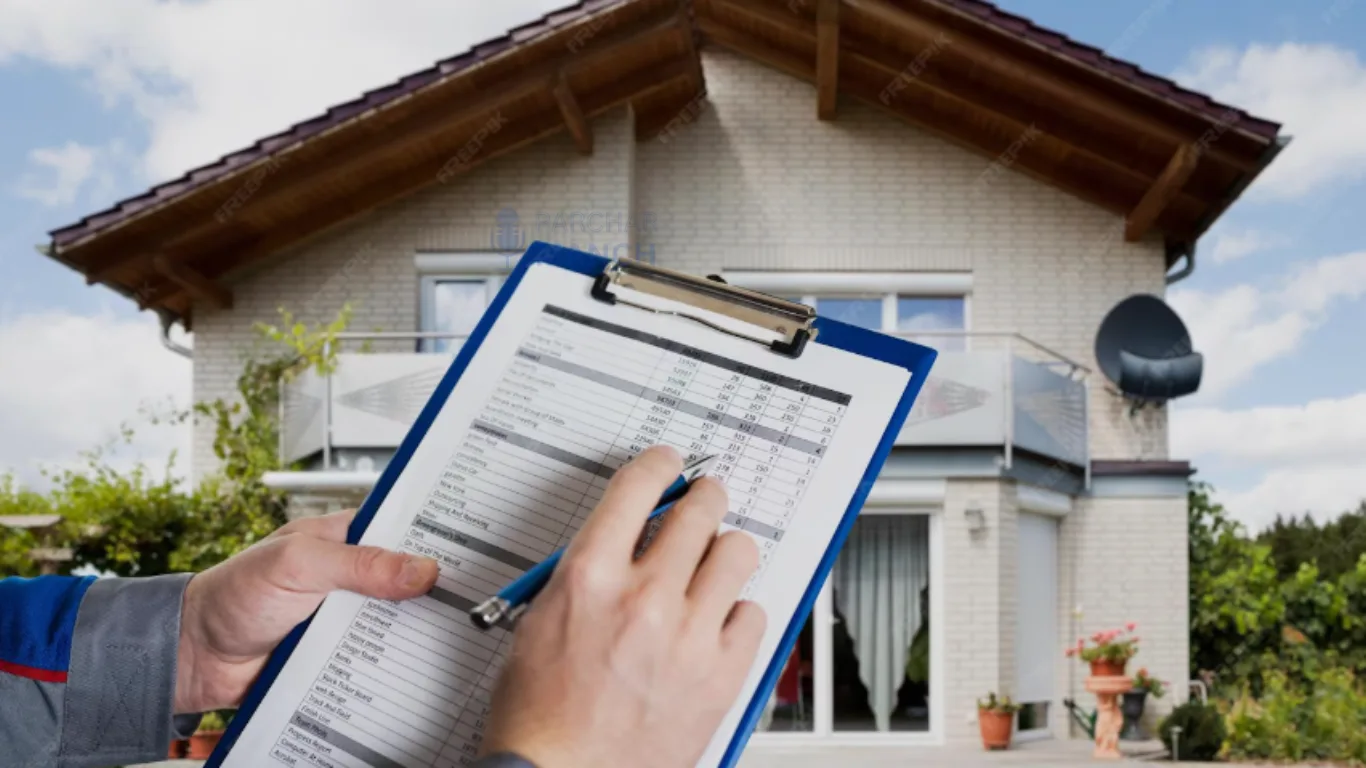
Skipping document checks can lead to legal issues later. Simple property buying tips, like legal verification, can prevent future problems.
Mistakes First-Time Buyers Should Avoid
Let’s keep it real.
Common mistakes include:
- Buying beyond budget
- Ignoring loan terms
- Not checking the builder history
- Overestimating EMI affordability
- Skipping legal verification
This First-Time Home Buyer Guide 2026 exists so you can avoid these silent mistakes.
Conclusion
Buying your first home is a strange mix of excitement and fear. There is joy in imagining your future space, and worry about EMIs that stretch across decades. And somewhere in between, paperwork quietly grows into a stack that feels heavier than expected.
This First-Time Home Buyer Guide 2026 is not about rushing into ownership. It is about preparing , financially, mentally, and logically. Understanding EMI, planning your down payment, checking loan eligibility, and following the right property buying tips can make the process smoother.
Use a proper new buyer checklist before applying for loans or finalising a property. Save early. Compare lenders. Verify documents. Because your first home should feel like a step forward , not a financial burden.
Read More: Best Government Housing Schemes 2026 for First-Time Home Buyers in India
FAQs
What is the ideal EMI amount for first-time home buyers in 2026?
Ideally, your EMI should not exceed 30% to 40% of your monthly income. This ensures you can manage daily expenses comfortably without financial stress while repaying your home loan over the years.
How much down payment is required to buy a home in 2026?
Most banks finance 75% to 90% of the property value. Buyers are usually required to pay the remaining 10% to 25% as a down payment from their own funds before loan disbursement.
Why is a new buyer checklist important before applying for a home loan?
A proper new buyer checklist helps you prepare documents, maintain a good credit score, and improve loan approval chances. It ensures there are no financial or documentation issues during the loan process.
What are the most important property buying tips for first-time buyers?
Buyers should verify property documents, compare loan interest rates, avoid over-borrowing, and plan EMI payments carefully. Legal checks and financial planning help avoid long-term problems.
Are there any additional costs apart from EMI and down payment?
Yes, buyers should consider stamp duty, registration fees, GST for under-construction properties, legal charges, and maintenance deposits. These costs can add 5% to 8% to the total property value.