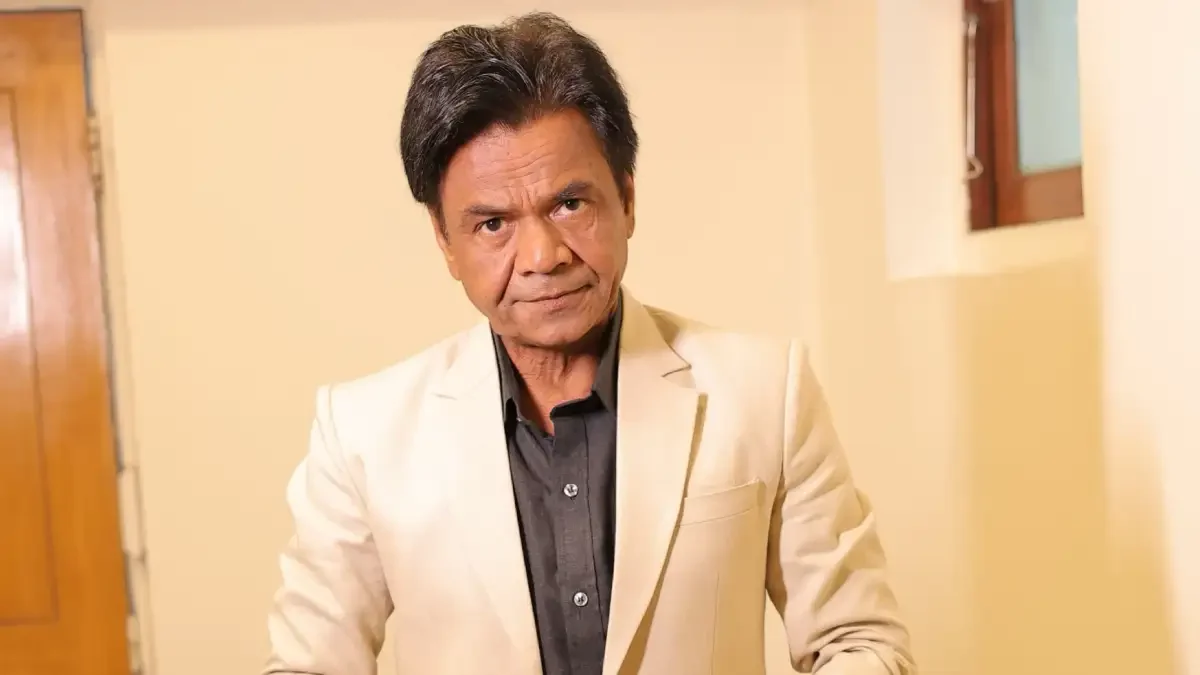
Delhi High Court Rajpal Yadav Jail Sentence: Why the Actor Chose Prison Over Paying Up
Sometimes a courtroom moment says more than any verdict ever could. When Rajpal Yadav reportedly told the court he was willing to go to jail rather than pay what he owed, that single sentence tells you almost everything about how this case unraveled. The Delhi High Court Rajpal Yadav jail sentence delivered on Friday was not some abrupt punishment. It was the ending of a long, patient, and increasingly frustrated legal process.
Justice Swarana Kanta Sharma sentenced the actor to three months of simple imprisonment across seven cases, all running concurrently, alongside a hefty financial penalty, cementing the Delhi High Court Rajpal Yadav jail sentence as one of the more closely watched celebrity legal outcomes this year. For a comedian known for playing lovable, bumbling characters on screen, the reality unfolding in court could not have looked more different.
Why the Delhi High Court Rajpal Yadav Jail Sentence Actually Matters
This case matters because it is a rare, clear example of what happens when a court runs out of patience, and the Delhi High Court Rajpal Yadav jail sentence shows exactly how that patience finally expired. Judges in India routinely show leniency to defendants who promise settlement and cooperation, especially in Negotiable Instruments Act cheque bounce matters, which are technically criminal but often resolved through payment rather than prison. Yadav was given that leniency, repeatedly. He simply did not follow through on it.
That distinction matters for anyone dealing with a cheque bounce dispute themselves. Courts extend real goodwill to people who genuinely try to settle. They do not extend it indefinitely to people who keep promising and keep failing to deliver.
Read More: France World Cup Semifinal Run Continues: How Mbappe and Dembele Ended Morocco's Dream Again
What Actually Happened, Explained Simply
Think of this like a long overdue loan that kept getting extensions, over and over, until the lender's patience simply ran dry. The Rajpal Yadav cheque bounce case originated with seven complaints filed by M/s Murli Projects Private Limited, all falling under cheque dishonour law. Back in May 2024, a sessions court had already convicted and sentenced Yadav to six months in jail. The Delhi High Court suspended that sentence after his lawyers assured the court a settlement was coming, and the matter was even sent to mediation.
What followed was a pattern. Promises made, deadlines missed, extensions requested, more promises made. The court eventually said enough.
How the Case Unfolded, Step by Step
The full Murli Projects Rajpal Yadav dispute took nearly two years to reach this point.
- Initial conviction. A sessions court convicted Yadav in the Murli Projects Rajpal Yadav dispute and handed down six months of jail time in May 2024.
- Suspension and mediation. The Delhi High Court suspended that sentence after Yadav's counsel assured the court a settlement was imminent, referring the case to mediation.
- Repeated breaches. Despite multiple opportunities and adjournments, Yadav failed to honor his payment undertakings, including a promised installment payment of 2.5 crore rupees.

- The surrender order. In February 2026, the court directed Yadav to surrender before the Tihar Jail Superintendent, rejecting his plea for more time. He surrendered on February 5.
- Interim release. After depositing 1.5 crore rupees, Yadav received an interim suspension of his sentence, but he later failed to clear the remaining dues.
- Final judgment. On Friday, the High Court upheld the conviction across all seven cases and imposed the three month Rajpal Yadav jail sentence appeal eligible term, alongside financial penalties.
Read More: Gaurav Khanna's Lock Upp Entry: What Actually Happened After Akanksha Chamola's Divorce Revelation
Real World Examples of the Financial Stakes Involved
The numbers here are worth sitting with. Yadav was ordered to pay 1.05 crore rupees in each of the seven cases, with his wife Radha Yadav additionally ordered to pay over 5 lakh rupees per case. According to the court, roughly 2.25 crore rupees had already been paid and released to the complainant during litigation, with earlier proceedings recording payments exceeding 4 crore rupees in total. Those already paid amounts will be adjusted against the final compensation, but the scale of money involved shows this was never a minor dispute.
Mistakes People Keep Making While Following This Story
A common mistake is assuming a High Court quickly jails someone the moment a cheque bounces. That is not how this played out at all. The court showed considerable patience, referring the matter to mediation and suspending an earlier sentence in good faith. Another mistake is assuming celebrity status changes outcomes. The court explicitly rejected that idea, stating it could not create special circumstances for someone simply because of their profession or industry.
Read More: Rehmat Locarno Film Festival: How a Punjabi Story Found Its Way to the World's Oldest Cinema Stage
Pro Tips for Understanding What Comes Next
If you are tracking this case, know that Yadav has been given two months to challenge the judgment before the Supreme Court, so this Delhi High Court Rajpal Yadav jail sentence is not necessarily the final word yet. Whether he pursues that appeal, and whether he finally clears the outstanding dues, will determine what happens from here.
Closing Thoughts
There is something almost instructive in how this case ended, a court that tried repeatedly to give someone a graceful way out, only to watch that person choose defiance over compliance. Law, as the court itself put it, is not a script that gets rewritten with every change of strategy. Whether Yadav appeals or serves his term, the message from this judgment is unmistakable, courts extend patience, but that patience is not infinite, and it comes due eventually for everyone. Anyone watching the Rajpal Yadav jail sentence appeal window closely will get a clearer answer on his next move within the coming weeks.
Disclaimer: This article is based on information available across the web. Parchar Manch does not take responsibility for its complete accuracy, as the content could not be fully verified.
FAQs
What is the Delhi High Court Rajpal Yadav jail sentence about?
The Delhi High Court Rajpal Yadav jail sentence refers to three months of simple imprisonment imposed across seven cheque bounce cases filed by Murli Projects Rajpal Yadav litigation, upheld by Justice Swarana Kanta Sharma after Yadav repeatedly failed to honor settlement promises.
What triggered the Rajpal Yadav cheque bounce case?
The Rajpal Yadav cheque bounce case began with seven complaints filed by M/s Murli Projects Private Limited under cheque dishonour law after payments to the company were not honored.
How much money is Rajpal Yadav required to pay?
He was ordered to pay 1.05 crore rupees in each of the seven cases, while his wife Radha Yadav was separately ordered to pay over 5 lakh rupees per case.
Can Rajpal Yadav still appeal this decision?
Yes. The court granted a Rajpal Yadav jail sentence appeal window of two months, during which he can challenge the judgment before the Supreme Court.
What is the Negotiable Instruments Act cheque bounce law involved here?
Cases under Negotiable Instruments Act cheque bounce provisions treat a dishonored cheque as a criminal offense, allowing courts to impose both fines and imprisonment when payment obligations are not met.
Did the court show any leniency toward Rajpal Yadav during the process?
Yes, extensively. The court suspended an earlier sentence, referred the matter to mediation, and granted multiple extensions before ultimately concluding that continued leniency was unwarranted, a pattern that shaped the final Delhi High Court Rajpal Yadav jail sentence.