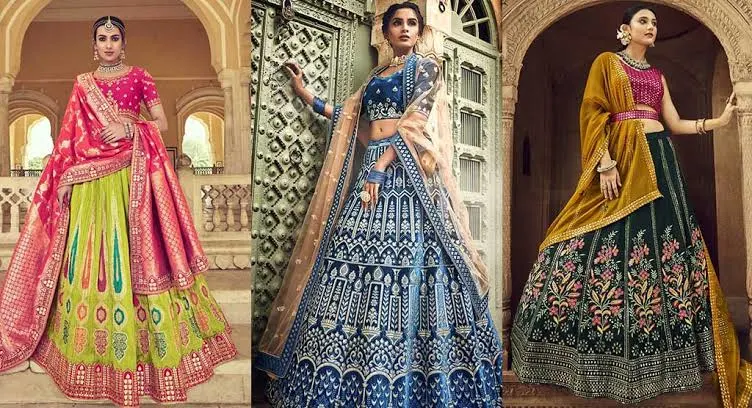
Different Ways to Drape a Dupatta: Stylish Draping Ideas for Every Occasion
A dupatta can completely transform the appearance of an outfit. The same salwar suit, kurti, lehenga, or ethnic set can look traditional, elegant, modern, or festive simply by changing the way the dupatta is draped. While many people stick to one familiar style, experimenting with different ways to drape a dupatta can make everyday and occasion wear much more interesting.
The right draping style is not only about appearance. It can also affect comfort, movement, and how well the dupatta stays in place throughout the day. From classic traditional drapes to modern belt-style looks, there are several options to try.
Why Does Dupatta Draping Style Matter?
A dupatta is one of the most versatile parts of Indian ethnic wear. Its draping style can complement the neckline, shape, fabric, and overall design of your outfit.
For example, a traditional drape may work beautifully with a heavily embroidered salwar suit, while a simple one-shoulder style can make a casual kurti look more contemporary.
Your choice can also depend on the occasion. A family function, wedding, office day, college outing, or festive celebration may each call for a different approach.
Learning a few easy ways to drape a dupatta gives you more styling options without having to buy a completely new outfit.
1. Classic Front Drape
The classic front drape is one of the most traditional and widely used dupatta styles.
To create this look, place the dupatta around your shoulders so that it falls evenly on both sides at the front. You can adjust the length according to your height and the design of your outfit.
This style works particularly well with salwar suits, anarkalis, and traditional ethnic outfits. It gives a balanced and graceful appearance and is suitable for formal gatherings, family functions, and religious occasions.
If your dupatta has beautiful embroidery, borders, or detailed work, the classic drape can also allow those details to remain visible.
2. One-Shoulder Drape
The one-shoulder drape gives a more relaxed and contemporary appearance.
Instead of placing the dupatta evenly over both shoulders, drape it over one shoulder and allow the other end to fall behind or around the body. You can leave it loose for a casual look or secure it lightly with a pin.
This style works well with kurtis, straight suits, palazzos, and Indo-western outfits. It is especially convenient when you want greater freedom of movement.
For everyday wear, a lightweight cotton, chiffon, or georgette dupatta can work particularly well with this style.
3. Neck Drape With Both Ends in Front
If you want a neat look for work or daytime activities, try bringing both ends of the dupatta toward the front.
Place the dupatta around your neck and let both sides fall in front. You can lightly tuck one side into the waist or allow both ends to hang naturally.
This style keeps the dupatta relatively close to the body, making it practical for office environments and busy days.
It works particularly well with simple kurtis, straight pants, trousers, and minimal ethnic outfits.
4. Belt-Style Dupatta Drape
The belt-style drape adds a modern fusion element to traditional clothing.
Start by placing the dupatta over one shoulder or around the upper body. Then secure it around the waist with a slim belt. The belt keeps the fabric in position while also defining the waistline.
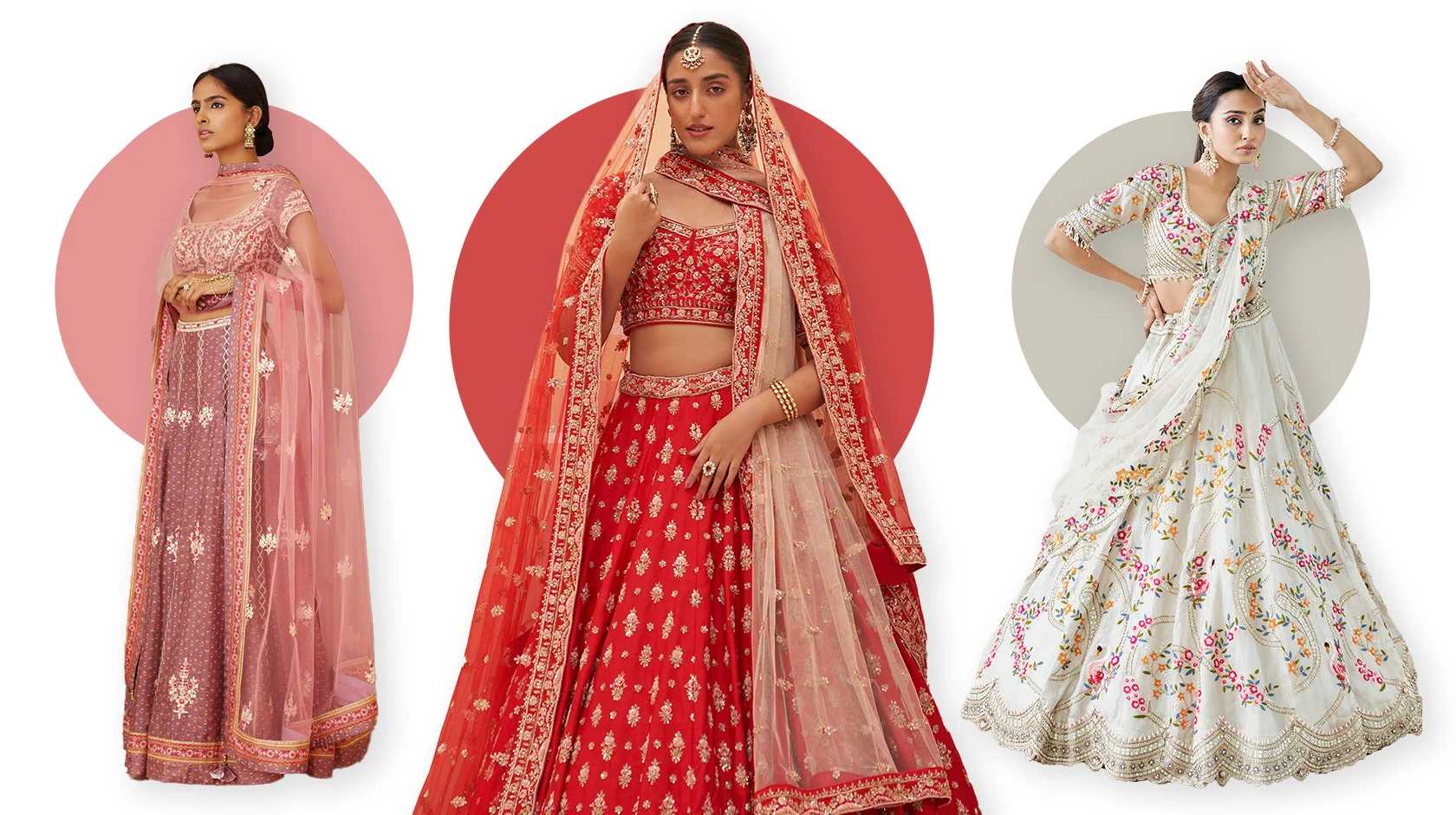
This style can look particularly attractive with long kurtis, ethnic dresses, anarkalis, and Indo-western outfits.
It is a great option for festive events, parties, and occasions where you want a more structured silhouette.
5. Pleated Shoulder Drape
For a polished and organised appearance, try pleating the dupatta before placing it over your shoulder.
Fold the dupatta into neat pleats and secure the pleated section with a pin. Place it over one shoulder and allow the remaining fabric to fall naturally.
This style can work beautifully with formal salwar suits and heavily decorated outfits because it prevents the dupatta from looking too bulky.
It is also a practical choice when you want your dupatta to remain in place for several hours.
6. Side-Pinned Drape
If you prefer a simple style with minimal movement, a side-pinned drape can be useful.
Drape the dupatta over one shoulder and bring the other end around your body. Secure it lightly at the side with a small pin.
This can create a clean appearance while reducing the need to repeatedly adjust the fabric.
It is particularly suitable for busy events where you will be walking, sitting, or moving around frequently.
Choosing the Right Dupatta Draping Style
The best draping style depends on more than just the outfit. Consider the occasion, fabric, weather, and level of comfort you need.
For formal or religious occasions, the classic front drape often provides a traditional and graceful appearance. For casual outings, a one-shoulder or simple neck drape may be more comfortable.
If you are wearing a heavily embroidered dupatta, avoid overly complicated drapes that hide its detailing. Instead, choose a style that allows the border and embroidery to remain visible.
For lightweight fabrics such as chiffon, georgette, or soft net, flowing styles can create an elegant appearance. Heavier fabrics may work better with structured or pleated drapes.
How to Keep Your Dupatta Secure
One common problem with dupattas is slipping. A small safety pin can help secure the fabric at the shoulder seam without significantly affecting the overall appearance.
For special occasions, you can also use hidden pins to secure the dupatta at the shoulder or waist. If you're wearing a belt-style drape, the belt itself can provide additional support.
Make sure the pins are placed carefully so they do not damage delicate fabrics.
Final Thoughts
Experimenting with different ways to drape a dupatta can give your existing wardrobe a fresh look without requiring a new outfit. From the timeless classic front drape to modern belt-style and one-shoulder options, each style can create a different impression.
The key is to choose a drape that complements your outfit, suits the occasion, and feels comfortable enough to wear confidently.
FAQs
Which dupatta style is best for office wear?
The neck drape with both ends brought toward the front is a practical choice for office wear. It looks neat and generally stays closer to the body.
How can I stop my dupatta from slipping?
A small safety pin at the shoulder seam can help keep the dupatta secure. Hidden pins can also be used for heavier fabrics or longer events.
Can a heavy dupatta be worn casually?
Yes. A simple one-shoulder or structured drape can balance a heavy dupatta without making the outfit look overly elaborate.
Does dupatta fabric affect the draping style?
Yes. Lightweight fabrics tend to work well with flowing drapes, while heavier fabrics are often easier to manage with structured, pleated, or classic styles.