Haryali Teej: Why This Monsoon Festival Is Trending Everywhere
As the monsoon clouds roll in and turn the earth lush and green, Haryali Teej brings with it a burst of color, tradition, and joy across North India. Women dress in vibrant green outfits, sing traditional songs, swing on decorated jhulas, and come together to celebrate love, devotion, and the arrival of the rains. In this blog, we'll dive into what Haryali Teej is, its rich history, why it's trending this year, and how people are celebrating it in modern times.
What Is Haryali Teej?
Haryali Teej is a festival celebrated primarily by women in states like Rajasthan, Uttar Pradesh, Haryana, and Madhya Pradesh, marking the onset of the monsoon season. The word "Haryali" means greenery, and "Teej" refers to the festival itself, which falls on the third day of the bright fortnight (Shukla Paksha) in the Hindu month of Shravan. Haryali Teej is dedicated to Goddess Parvati and celebrates her reunion with Lord Shiva, symbolizing marital bliss, love, and devotion.
The History and Significance of Haryali Teej
According to Hindu mythology, Haryali Teej commemorates the day Goddess Parvati was finally united with Lord Shiva after years of penance and devotion. Legend says she performed rigorous austerities across many lifetimes to win Shiva as her husband, and this day marks the fruition of that devotion. Because of this legend, Haryali Teej holds deep significance for married women, who observe fasts and pray for the well-being and long life of their husbands, while unmarried women pray for a good life partner. The festival beautifully ties together nature's renewal during monsoon with themes of love and marital harmony.
Why Haryali Teej Is Trending This Year
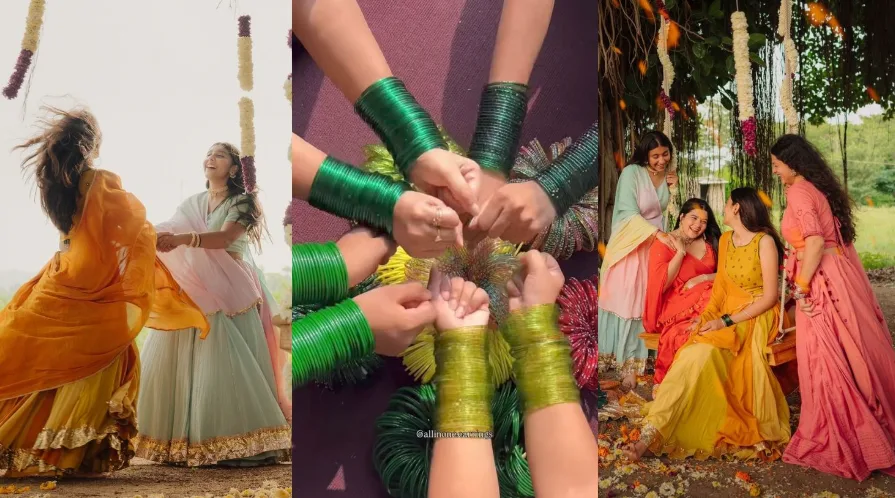
Haryali Teej trends every year on social media as women share pictures of their green outfits, intricate mehendi designs, and festive celebrations with friends and family. This year, the trend is even bigger, with reels showing traditional Teej songs, dance performances, and swing (jhula) celebrations going viral across Instagram and YouTube. Fashion and beauty brands also ride the wave, launching special collections and offers timed around Haryali Teej, while local markets see a surge in sales of bangles, mehendi, and traditional green attire.
Popular Ways to Celebrate Haryali Teej
The celebrations of Haryali Teej are vibrant and deeply rooted in tradition, blending rituals with festivity:
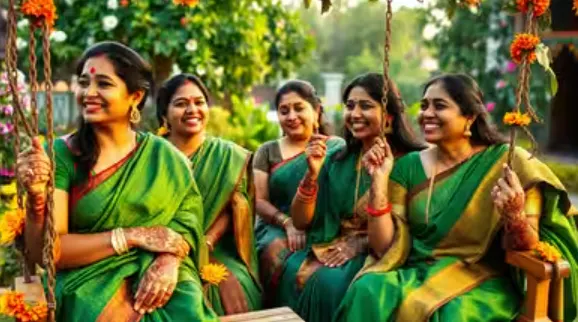
- Wearing Green Attire – Women dress in green sarees, lehengas, or suits, as green symbolizes prosperity, fertility, and the lushness of the monsoon.
- Mehendi Application – Intricate henna designs are applied on hands and feet, often as part of pre-festival gatherings with friends and family.
- Fasting and Prayers – Married women observe a day-long fast (Nirjala or Phalahar) and pray to Goddess Parvati and Lord Shiva for marital happiness.
- Swinging on Jhulas – Decorated swings are set up under trees or in courtyards, where women sing traditional folk songs while swinging, a hallmark image of Haryali Teej.
- Folk Songs and Dance – Traditional Teej songs (Teej ke geet) are sung in groups, often accompanied by dance, celebrating love, nature, and womanhood.
- Sindhara Ritual – In many families, the parents of a married woman send gifts of clothes, sweets, and mehendi to their daughter's in-laws' house, known as "Sindhara."
The Modern Significance of Haryali Teej
While rooted in centuries-old tradition, Haryali Teej has evolved into a celebration of sisterhood and self-expression in the modern era. Women now organize Teej parties with friends, host themed photoshoots, and share their looks and rituals online, turning a religious observance into a joyful cultural moment. Many working women also use this occasion to reconnect with their roots, blending professional lives with cultural celebrations. This modern twist has helped Haryali Teej stay relevant and popular among younger generations, who see it as both a spiritual and social occasion.
Haryali Teej Beyond the Rituals
Beyond the fasting and prayers, Haryali Teej carries a deeper message about nature, renewal, and relationships. The festival's timing during monsoon isn't a coincidence it celebrates the earth turning green after a long, dry summer, symbolizing hope, fertility, and new beginnings. It's also a reminder of the importance of community, as women gather, support each other, and celebrate womanhood together, making Haryali Teej as much about friendship and bonding as it is about devotion.
Conclusion
Haryali Teej is a beautiful blend of mythology, monsoon celebration, and sisterhood that continues to captivate people year after year. Whether you're fasting and praying for your loved ones, swinging on a jhula with friends, or simply enjoying the sight of green all around, Haryali Teej reminds us to celebrate love, nature, and togetherness in their purest forms.
FAQs
What is Haryali Teej and why is it celebrated?
Haryali Teej is a monsoon festival celebrating Goddess Parvati's reunion with Lord Shiva, observed mainly by women for marital happiness and well-being.
When does Haryali Teej fall?
It falls on the third day of the bright fortnight (Shukla Paksha) in the Hindu month of Shravan, usually in July or August.
Why do women wear green on Haryali Teej?
Green symbolizes prosperity, fertility, and the greenery of the monsoon season, making it the traditional color for this festival.
What is the significance of the fast observed during Haryali Teej?
Married women observe the fast to pray for their husband's long life and marital happiness, while unmarried women pray for a good life partner.
What are the main rituals of Haryali Teej?
Key rituals include wearing green attire, applying mehendi, fasting, swinging on decorated jhulas, and singing traditional Teej folk songs.