
How to Manage Stress Disorders Naturally at Home
Some days, stress feels loud. Other days, it’s quiet. Like a slow, constant buzzing in the background , not exactly pain, not exactly fear, just something that sits there. Waiting.
You wake up tired, even after sleeping. Your mind runs ahead before your feet even touch the floor. And somewhere in between emails, responsibilities, family things, deadlines , it becomes difficult to breathe normally again.
That’s usually when people start wondering how to manage stress disorders naturally without depending on medicines. Because not everyone wants pills. Some just want peace. At home. In their own routine. This is where simple, natural stress relief methods, small changes, and daily routines begin to matter more than big treatments.
Understanding Stress Disorders in Daily Life
Stress is not always bad. Sometimes it helps us stay alert, finish tasks, and react quickly. But when stress becomes constant , daily, hourly, always-there , it turns into something heavier. That’s when you might need real stress management techniques to stay balanced.
Stress disorders can show up as:
- Restlessness
- Trouble sleeping
- Sudden anger
- Lack of focus
- Headaches
- Muscle tension
- Fast heartbeat
And slowly, very slowly, your body begins to live in survival mode. People then start searching for stress relief without medication, hoping to fix things using simple home remedies for stress instead of clinical treatments.
Read More: How Yoga & Meditation Improve Mental Health (Science-Backed Benefits)
Why Managing Stress Naturally at Home Matters
Not every stress problem needs a hospital visit. Sometimes, your own home can become the safest healing place , if you learn how to create calm inside it. Learning to manage stress disorders naturally is important because long-term stress affects:
- Heart health
- Sleep quality
- Digestion
- Memory
- Hormone balance
This is why understanding how to reduce stress and anxiety naturally through daily routine becomes necessary before it turns into something serious.
And honestly, prevention always feels easier than recovery.
Daily Habits That Increase Stress Without You Noticing
Before learning natural stress relief methods, it helps to notice what causes daily tension. Common stress triggers at home include:
- Too much screen time
- Irregular sleep schedule
- Skipping meals
- Overthinking at night
- No physical activity
- Constant multitasking
Read More: Morning Yoga vs Evening Yoga: Which Is Better and Why?

These patterns slowly damage emotional balance. And over time, you might need stronger stress management techniques to bring yourself back to normal. Replacing these patterns with daily habits to reduce stress can improve mood and energy levels naturally.
Best Home Remedies for Stress
Now, this part is simple. But powerful. The following home remedies for stress are safe, effective, and easy to try.
• Deep Breathing
Slow breathing relaxes the nervous system.
Practice:
- Inhale for 4 seconds
- Hold for 4 seconds
- Exhale for 6 seconds
This basic method is one of the easiest natural stress relief methods to calm the mind instantly.
• Warm Water Bath
A warm bath helps relax muscles and improve blood flow. It’s one of the most comforting relaxation techniques at home after a long day of work stress or emotional tension. Adding this habit regularly supports your goal to manage stress disorders naturally.
Read More: Beginner’s Guide to Intermittent Fasting Diet Plan for Safe Weight Loss
• Herbal Drinks
Drinks like chamomile tea, green tea, or tulsi water are known home remedies for stress.
They:
- Improve sleep
- Relax nerves
- Reduce anxiety levels
Including these daily supports stress relief without medication effectively.
Relaxation Techniques at Home That Actually Work
Your home environment matters more than you think. Try these relaxation techniques at home:
- Listening to calm music
- Practicing meditation
- Gentle stretching
- Reading a book
- Journaling thoughts
Each of these relaxation techniques at home helps reduce mental pressure gradually. Even spending 10 minutes daily on these activities improves emotional stability and supports your effort to manage stress disorders naturally.
How to Reduce Stress and Anxiety Through Movement
Exercise doesn’t have to mean gym workouts. Simple physical activity helps release endorphins , the body’s natural mood lifters.
Good options include:
- Walking
- Yoga
- Light home workouts
- Dancing
- Gardening
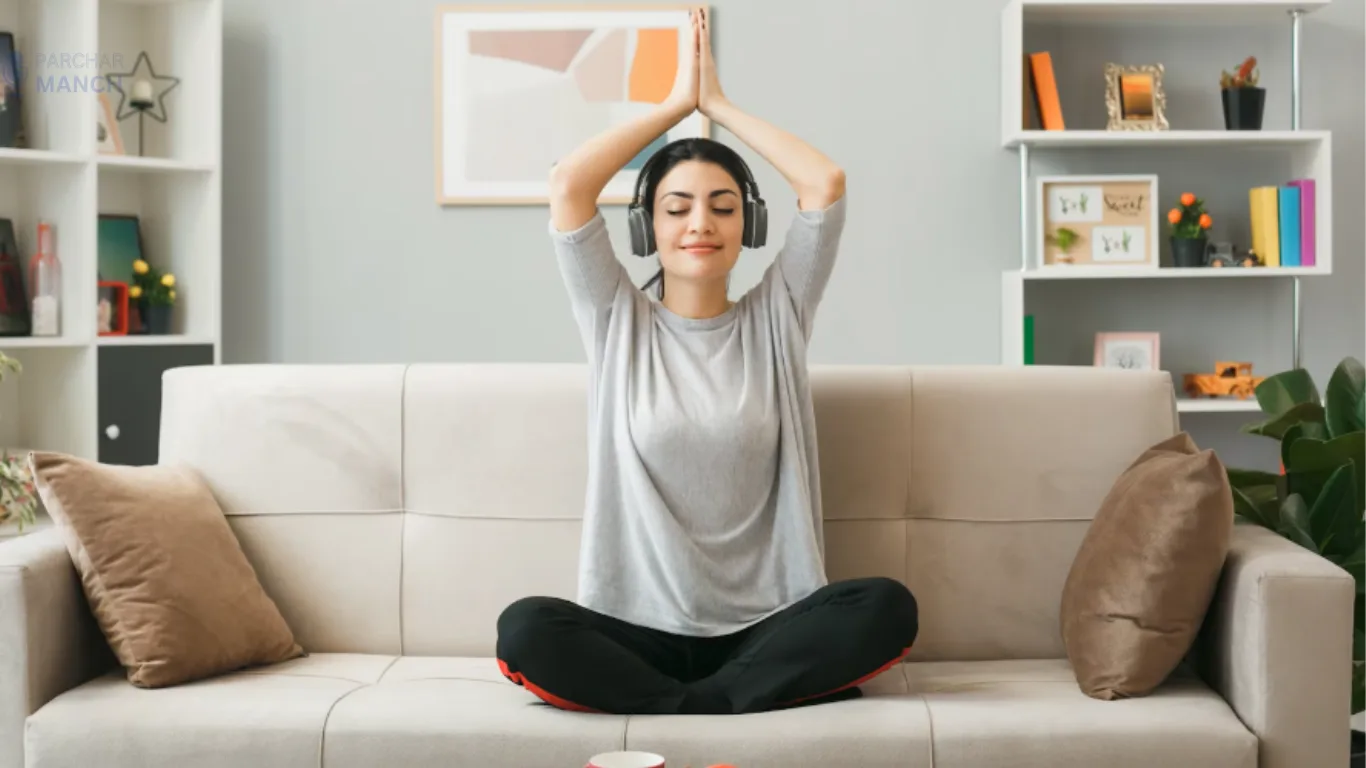
Regular movement is one of the most effective ways to reduce stress and anxiety without any medication. It also works as a long-term stress management technique for emotional health.
Read More: Top Diet Trends 2026 That Actually Work for Weight Loss
Daily Habits to Reduce Stress Naturally
Sometimes, the smallest routines help the most. These daily habits to reduce stress include:
- Sleeping on time
- Eating balanced meals
- Drinking enough water
- Limiting caffeine
- Taking short breaks
Following these simple daily habits to reduce stress helps improve mental clarity and reduce tension. Over time, these routines act as reliable natural stress relief methods that protect your mental well-being.
Stress Relief Without Medication
Many people prefer non-medical solutions. Fortunately, there are several options for stress relief without medication:
- Mindfulness practice
- Regular walking
- Healthy diet
- Proper sleep
- Positive thinking
These steps help you manage stress disorders naturally without side effects. They also improve emotional resilience in stressful situations.
Conclusion
Stress may begin as a small discomfort, but it grows silently if ignored. Learning to manage stress disorders naturally at home can protect both mental and physical health in the long run.
By using simple natural stress relief methods, practising daily relaxation techniques at home, and following consistent daily habits to reduce stress, you can control anxiety before it becomes overwhelming.
Understanding how to reduce stress and anxiety without medication allows you to heal more safely and sustainably. Regular use of home remedies for stress can improve sleep, mood, and focus. Choosing stress relief without medication also avoids unnecessary dependence on treatments. In the end, small routines and mindful living become the most powerful stress management techniques for a peaceful life.
Disclaimer: This article is based on information available across the web. Parchar Manch does not take responsibility for its complete accuracy, as the content could not be fully verified.
Read More: Top 10 Daily Exercises to Control Obesity at Home
FAQs
Can stress disorders be managed naturally at home?
Yes, it is possible to manage stress disorders naturally by following daily routines like exercise, meditation, and proper sleep. Using simple home remedies for stress and healthy lifestyle habits helps maintain emotional balance.
What are the best natural stress relief methods?
Some effective natural stress relief methods include deep breathing, yoga, herbal drinks, and mindfulness practices. These methods improve mental health and offer stress relief without medication over time.
How to reduce stress and anxiety without medicines?
Understanding how to reduce stress and anxiety involves maintaining a healthy diet, staying active, and practising meditation. These are safe and reliable stress management techniques for everyday stress.
Are relaxation techniques at home really helpful?
Yes, practising relaxation techniques at home like journaling, listening to music, or gentle stretching can calm your nervous system and improve sleep quality.
What daily habits help reduce stress naturally?
Simple daily habits to reduce stress, such as proper sleep, balanced meals, and taking breaks during work, improve mental well-being and help in long-term stress control.