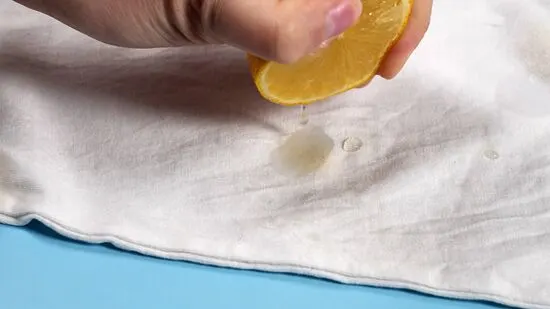
How to Remove Yellow Stains From White Clothes at Home
White clothes look fresh, clean, and stylish, but yellow stains can quickly make them look old and dull. Yellowing is especially common around the underarms, collars, and other areas that come into contact with sweat, body oils, and deodorant. The good news is that you don't always need expensive stain removers to deal with this problem.
Simple household ingredients such as baking soda, lemon juice, and white vinegar can sometimes help remove or lighten yellow stains. However, the right method depends on the fabric and how old the stain is. Knowing how to remove yellow stains from white clothes can help you restore your favorite garments while avoiding unnecessary damage.
Why Do White Clothes Turn Yellow?
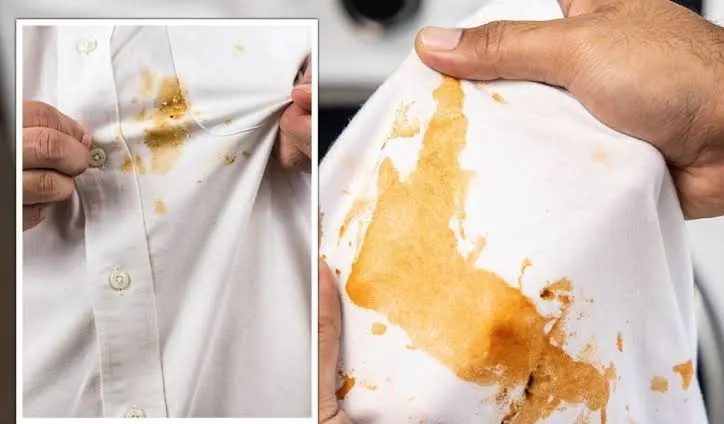
Yellow stains on white clothes usually develop because of a combination of sweat, body oils, deodorant residue, and dirt. Underarm areas are particularly prone to yellowing because they have frequent contact with perspiration and antiperspirants.
Some deodorants and antiperspirants contain aluminum-based compounds. These can interact with sweat and fabric over time, contributing to yellow discoloration.
White clothes can also turn yellow when they are stored for long periods without being properly washed. Residue left behind on the fabric can become more noticeable as it sits.
Using too much detergent or fabric softener may also leave a buildup on clothing, which can affect its appearance.
1. Use a Baking Soda Paste
Baking soda is one of the simplest household ingredients you can try for yellow stains.
Mix baking soda with a small amount of water until you get a thick paste. Apply the paste directly to the yellowed area and gently spread it over the stain.
Leave it on for around 30 minutes before washing the garment according to its care instructions.
For fresh or moderately old stains, this method may help loosen residue and improve the appearance of the fabric. Avoid scrubbing aggressively because excessive friction can damage fabric fibers.
2. Try Lemon Juice and Sunlight
Lemon juice is another traditional home method for dealing with discoloration on white fabrics.
Apply a small amount of fresh lemon juice to the stained area and allow the garment to sit in sunlight for a period of time before washing it.
Sunlight can have a mild natural brightening effect, while the acidity of lemon juice may help loosen certain stains.
However, this method should be used carefully. Always check the garment's care label first and test the solution on a small, less visible area, especially if you are unsure about the fabric.
3. Use a White Vinegar Soak
White vinegar can help break down certain residues that contribute to discoloration and unpleasant odors.
Mix white vinegar with warm water in a suitable container and soak the garment for about an hour. After soaking, wash it normally according to the fabric's care instructions.
Vinegar is particularly useful for removing residue and freshening fabrics, but it may not completely remove very old or deeply set yellow stains.
Never mix vinegar with chlorine bleach, as combining them can produce harmful fumes.
4. Treat Underarm Stains Before Washing
Underarm stains are often easier to deal with when treated before putting the clothing into the washing machine.
Apply your chosen treatment directly to the stained area and allow it to work for the recommended time. Then wash the garment normally.
Avoid putting a heavily stained garment into a hot dryer before checking whether the stain has disappeared. Heat can sometimes make certain stains more difficult to remove.
How to Prevent White Clothes From Turning Yellow
Prevention is often easier than trying to remove an old stain.
Wash Clothes Promptly
Try not to leave sweaty white clothes sitting in a laundry basket for several days. Washing them sooner can reduce the buildup of sweat and body oils.
Let Deodorant Dry
Allow deodorant or antiperspirant to dry completely before putting on your white clothing. This can reduce the amount of product transferred to the fabric.
Avoid Excess Fabric Softener
Using too much fabric softener can leave a coating on fabric and may contribute to residue buildup. Follow the recommended amount on the product label.
Store Clothes Clean
Before putting white clothes away for several weeks or months, make sure they have been properly washed and completely dried.
Store them in a clean, dry environment away from excessive moisture.
Can Bleach Be Used on Yellow Stains?
Chlorine bleach may appear to be an obvious solution for white clothes, but it is not suitable for every fabric or every type of stain.
In some cases, bleach can weaken fabric fibers or even make certain types of yellowing appear worse. Always check the clothing care label before using bleach.
If you decide to use a commercial stain remover or bleach product, follow its instructions carefully and never mix different cleaning chemicals.
What About Old, Set-In Yellow Stains?
Old yellow stains can be more difficult to remove because the residue may have become deeply embedded in the fabric fibers.
A single treatment may not be enough. You may need to repeat a suitable method several times while checking the fabric between treatments.
For delicate, expensive, or sentimental clothing, professional cleaning may be safer than experimenting with multiple household products.
Final Thoughts
Learning how to remove yellow stains from white clothes can help extend the life of your favorite garments. Baking soda, lemon juice, and white vinegar are simple options that may help with certain types of discoloration, but the fabric should always be considered before choosing a treatment.
For the best results, treat stains early, follow clothing care labels, avoid excessive chemicals, and wash white clothes regularly. With proper care, your white clothes can stay brighter and fresher for longer.
FAQs
Does baking soda remove old yellow stains?
Baking soda can help with fresh and moderately old stains, but deeply set stains may require repeated treatment or a specialized stain remover.
Is lemon juice safe for all white clothes?
Not necessarily. Lemon juice may be suitable for some durable fabrics, but delicate materials such as silk should be treated with extra care. Always check the care label and test a hidden area first.
Can I use bleach instead of home remedies?
Bleach can remove some stains, but it is not suitable for every fabric. It may also weaken fibers when overused. Always follow the garment's care instructions.
Why do underarms turn yellow on white clothes?
Sweat, body oils, and deodorant or antiperspirant residue commonly accumulate in the underarm area. Over time, these substances can react with the fabric and create yellow discoloration.