Impact of New Trade Deals 2026 on the Indian Economy and Domestic Industries
When we talk about the New Trade Deals 2026, we are talking about big changes that affect how countries buy and sell goods and services with each other. These are the deals that India has been working on under ongoing trade negotiations, the deals that shape policy changes and open doors to market opportunities in distant lands.
I want to be honest , thinking about these deals is like looking at a large puzzle that we only half understand at first. But slowly , piece by piece , it starts to make sense. So let’s break it down in clear, simple language.
India has undergone many economic reforms in the last decade. And now in 2026, as these new deals come into effect, they are going to influence businesses, farmers, workers, consumers, and even everyday prices in the markets where you shop.
In this article, I will explain how the New Trade Deals 2026 can impact India’s international commerce, why it matters, and what it means for local industries. We will explore how these agreements might help or challenge the economy, and what ordinary people should expect.
What Are the New Trade Deals 2026?
So , what exactly are these deals? The New Trade Deals 2026 are a group of agreements that India has signed with other countries and economic blocs. These deals are a result of long trade negotiations between governments.
In simple terms, these are promises between countries that say:
- “We will reduce taxes on certain products.”
- “We will allow easier access for goods across our borders.”
- “We will protect investments from unfair treatment.”
- “We will agree on shared rules for trade.”
These are not small changes. They are changes that affect how Indian businesses sell abroad and how foreign products enter the Indian market.
For example, if Indian textiles can enter another country with lower duties (taxes), it becomes easier for those goods to be sold there. Likewise, if cheaper imports come into India, domestic producers must compete harder.
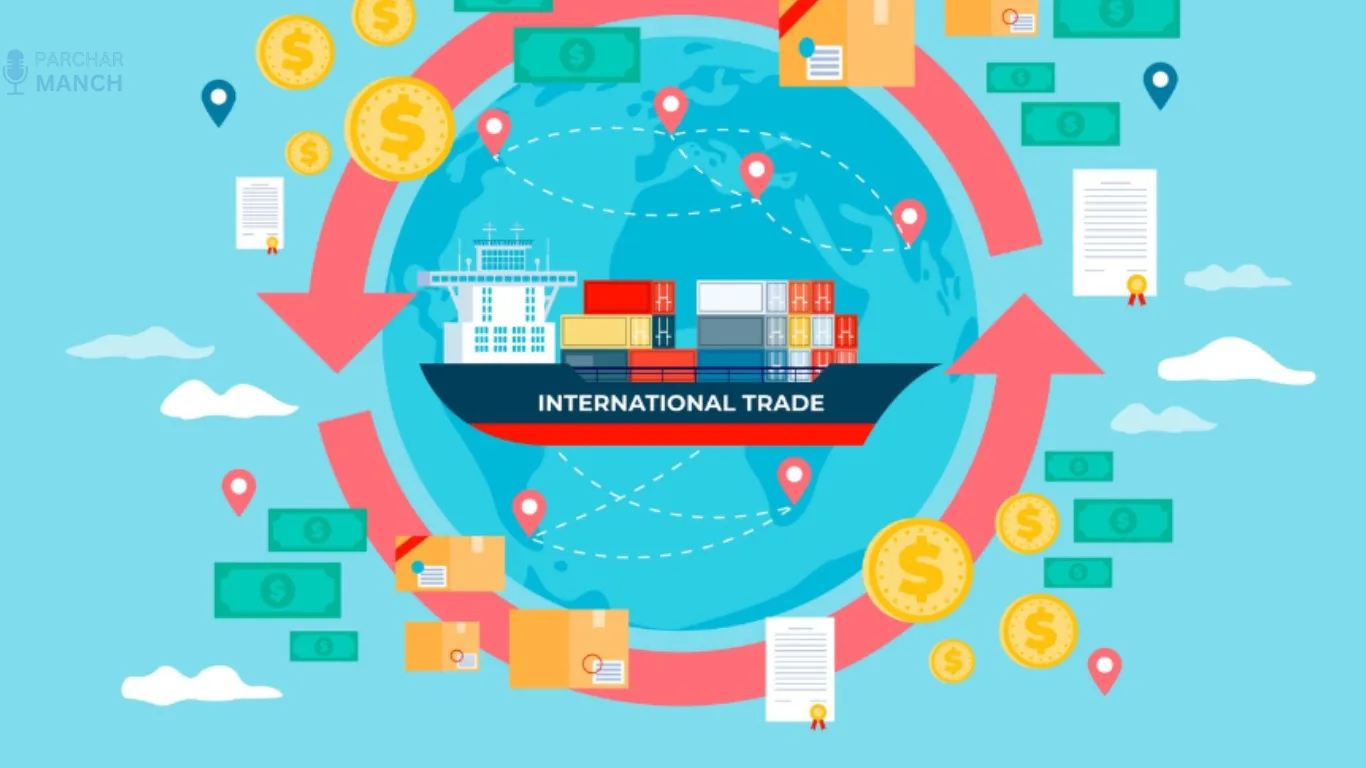
That’s the essence of these New Trade Deals 2026 , they are about balance. They are about creating market opportunities for Indian goods while also making India a more welcoming place for foreign products.
How These Deals Affect the Indian Economy
The Indian economy is huge and complex. When international agreements like the New Trade Deals 2026 are signed, the effects trickle down into every corner , from big companies to small shops.
1. Boost in Exports
One of the most positive effects is the potential increase in exports. Indian exporters may find new buyers in countries where tariffs are lowered.
More exports can mean:
- More jobs in factories and services.
- Better income for workers.
- Stronger currency when foreign money flows in.
So, these New Trade Deals 2026 could help India sell more of its goods to the world , especially products like textiles, pharmaceuticals, and electronics.
2. Increased Competition for Local Businesses
But , and this is important , increased access for foreign companies also brings competition. For example, if cheaper agricultural products enter India because of a new deal, Indian farmers might struggle to compete.
The same thing can happen in manufacturing sectors where foreign companies have better technology or cheaper production costs. This is where economic reforms and support policies become crucial , the government must help local industries upgrade, become more efficient, and stay competitive.
3. Consumer Benefits
Consumers often benefit from free trade because goods become cheaper and more varied. With the New Trade Deals 2026, Indian shoppers may see a wider range of products at better prices.
That’s because when tariffs come down, imported goods can become cheaper. This helps the average family stretch its income further.
Sector‑Wise Impact: How Different Industries Will Feel These Deals
The New Trade Deals 2026 will not affect all industries the same way. Some will benefit more, others will feel pressure. Let’s talk about a few major sectors.
Agriculture and Farming
Indian agriculture is one of the biggest parts of the economy. When trade deals change how food products are traded internationally, farmers are directly affected.
Read More: Major State Assembly Updates 2026: Political Movements and Decisions Affecting Citizens
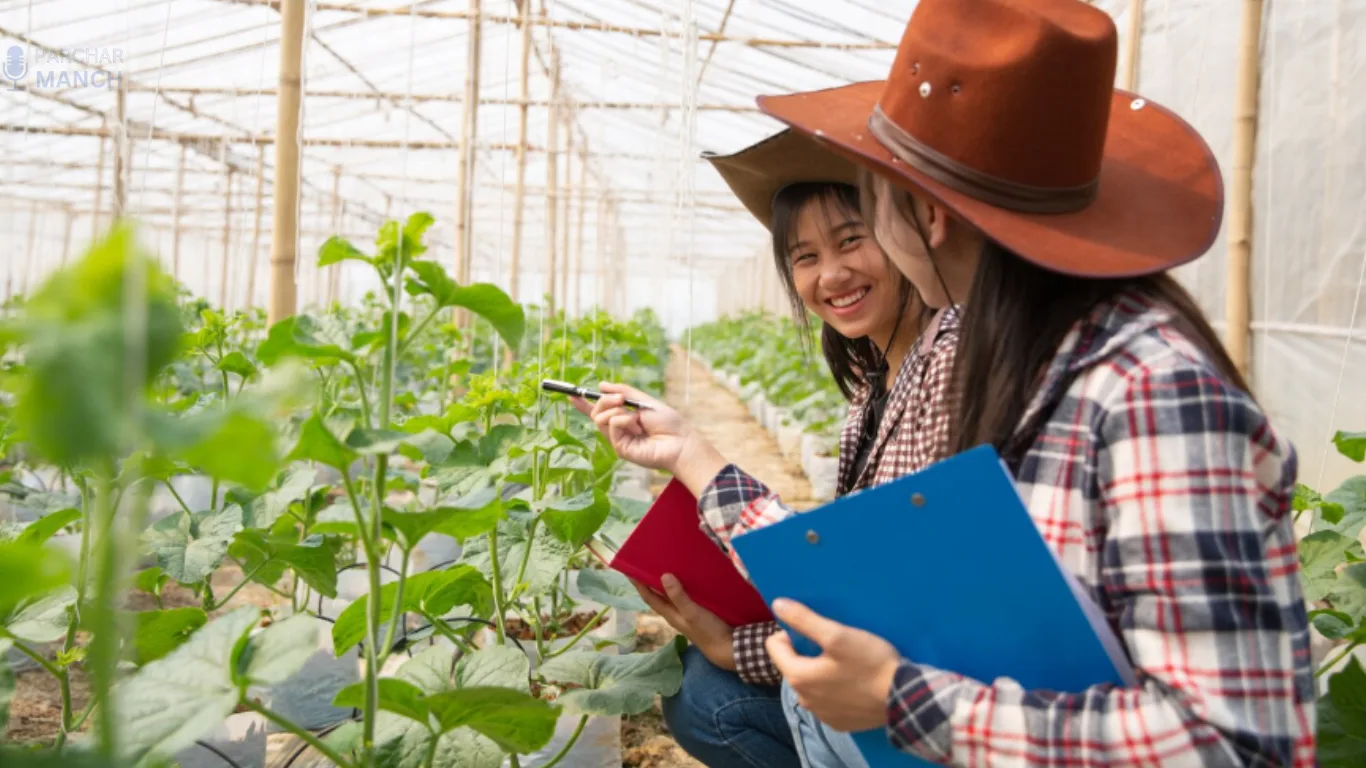
- If international markets open up more, farmers may find a bigger market for crops like rice and spices.
- But if cheaper imports come in without proper protections, farmers may face low prices at home.
This sector needs careful planning and support from policymakers.
Manufacturing Sector
Manufacturers will see both opportunities and challenges.
- Opportunity: More exports because of lower trade barriers.
- Challenge: Competing with quality products from abroad.
Here, international commerce rules become important. The quality standards, safety requirements, and enforcement of fair trade rules can help Indian manufacturers grow.
Technology and Services
India’s services sector , like IT, consulting, and digital services , could see a big boost. Service exports can grow faster because these areas do not always depend on physical goods crossing borders.
And many trade deals make it easier for professionals to work across countries. This is one area where the New Trade Deals 2026 can help India become a global leader.
Policy Changes and Their Role
We mentioned policy changes earlier. What does this really mean? When trade deals become active, the government must update laws and regulations. These changes can affect:
- Taxes on goods coming into India.
- Rules on exporting products.
- Quality standards for products sold in the domestic market.
- Rules for foreign companies investing in India.
This is not just about signing , this is about following through with good governance. The policies must protect local industries while helping them grow.
The right changes can help India attract more foreign investment, modernise infrastructure, and become globally competitive.
Why These Deals Matter for Everyday People
Now, why should someone in a small town care about the New Trade Deals 2026?
Because they affect:
- Job opportunities , when companies grow, they hire more people.
- Prices , when goods are cheaper, families save money.
- Quality , competition often leads to better products.
- Farmers’ incomes affect rural communities.
These deals are not just about big economics , they are about real lives and real futures. When more people can sell goods abroad, they earn more, spend more, and help the entire economy grow.
Read More: Impact of Government Policies 2026 on Businesses, Housing, and Healthcare Decisions

But when foreign products enter without support for local industries, local producers may struggle. So, the challenge is always balance. Indian leaders must protect farmers and small businesses while also encouraging global engagement.
Challenges and Concerns
While opportunities are big, there are real concerns, too.
Job Disruption in Vulnerable Sectors
Not all industries are ready for fierce global competition. Some may lose jobs before they grow. Thus, the government must invest in retraining workers and helping small industries modernise.
Infrastructure and Logistics Bottlenecks
Trade is not just about agreements. It’s about moving goods , ports, roads, railways, and warehouses. If India cannot move products quickly and cheaply, global buyers may choose other countries. This means more focus on infrastructure.
Unequal Distribution of Benefits
Rich, skilled workers and big companies may gain faster than low‑skill workers and small businesses.
That’s why it’s important to ensure growth is inclusive , reaching all parts of society.
Long‑Term Vision: What India Needs to Do
For the New Trade Deals 2026 to really help India, the country must:
- Strengthen manufacturing capabilities.
- Upgrade technology and innovation.
- Improve infrastructure.
- Support farmers with better pricing and access to markets.
- Build skills among workers for future jobs.
This means not just signing deals, but planning for decades ahead. Trade alone does not guarantee prosperity , trade plus planning does.
India’s success will come from bridging internal gaps and turning challenges into market opportunities.
Conclusion
Thinking back , if I slow down , the story of the New Trade Deals 2026 is not just about exports and imports. It is about the way India sees itself in the world. These deals have the potential to open new doors , markets that were hard to enter before. For some industries, like technology and services, it feels like discovering a new sunrise. For others, like agriculture and small manufacturing, it feels like a storm , uncertain and steep.
But if the government uses smart policy changes and meaningful economic reforms, then these transitions can turn into positive growth for millions. In the end, it’s not just the economy that will shift , it’s people’s lives. Jobs, prices, lifestyles , these too will reflect the ripples of global agreements.
There will be challenges , always , but with careful steps, India can turn the New Trade Deals 2026 into a story of opportunity, resilience, and shared benefit. The future depends on how these agreements are used, shaped, and adapted to the real needs of Indian industries and the ordinary people who depend on them.
FAQs
What are the New Trade Deals 2026?
The New Trade Deals 2026 are agreements that India has signed with other countries or groups of countries to reduce tariffs, open markets, and create better conditions for buying and selling goods and services internationally. These deals aim to improve cooperation, expand international commerce, and support economic growth by making trade easier and cheaper.
How do these trade agreements affect Indian farmers?
Indian farmers can gain new export markets where they can sell crops like rice, spices, and fruits at better prices. However, they also face competition from cheaper food imports if local protections are not in place, which can put pressure on farm incomes without proper support mechanisms and reforms.
Will these deals make goods cheaper for Indian consumers?
Yes. When tariffs and trade barriers come down through the New Trade Deals 2026, imported goods often become less expensive, giving consumers access to a wider variety of products at lower prices. But cheaper imports can also challenge local producers, so the government needs to balance consumer benefits with industrial growth.
Do these agreements help create jobs in India?
They can. By expanding export markets and encouraging foreign investment, these deals can lead to more jobs in manufacturing, services, and technology sectors. But some sectors may face pressure from foreign competition, so new skills training and support programs are necessary to ensure workers find new opportunities.
What challenges does India face in implementing these deals?
India needs to improve its infrastructure, support small businesses, and modernise its industries to fully benefit. Without strong logistics, updated policies, and investment in technology, some sectors may lag behind global competitors. The government needs to ensure that reforms and policy changes help make trade fair and inclusive.