India Targets Chinese Battery Apps Over E-Rickshaw Security Flaws: The Prank That Exposed a Real Problem
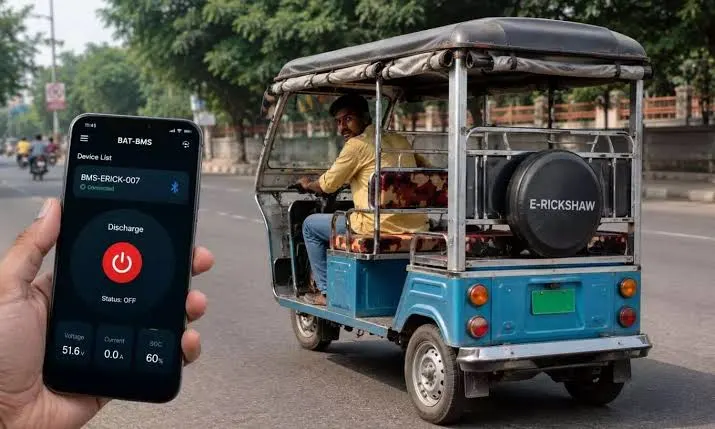
Somewhere in Delhi, an e-rickshaw driver was midway through a ride when his vehicle simply died. Not a mechanical fault. Not a dead battery in the normal sense. Someone, a stranger, somewhere else entirely, had switched it off through a phone app. That single moment is basically why India targets Chinese battery apps over e-rickshaw security flaws is now a national conversation instead of a local curiosity.
It sounds almost unbelievable when you first hear it. A vehicle you are physically driving, stopped remotely by someone who was never anywhere near it. But it happened, repeatedly, across Delhi and other cities, and it forced the government to act fast.
Why This Actually Matters Beyond the Viral Videos
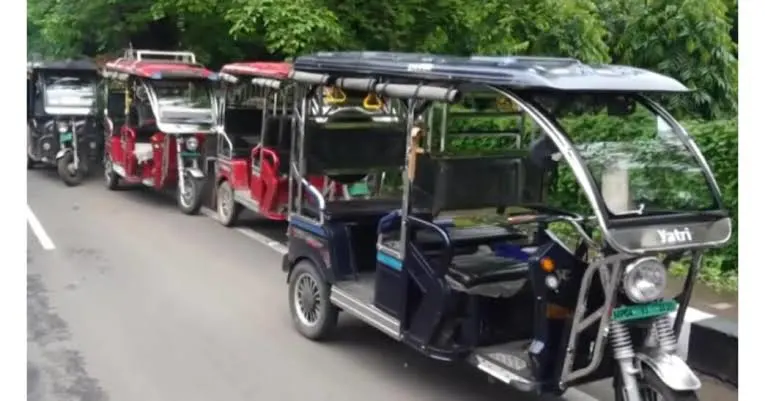
E-rickshaws are not a niche mode of transport in India, they are daily livelihood for hundreds of thousands of drivers, and last mile transport for millions of passengers. When something can remotely disable that vehicle without warning, it stops being a funny prank video and becomes a genuine safety and income risk.
Reports indicate some drivers saw their daily earnings drop sharply, from around a thousand rupees to closer to six hundred, purely because their vehicles kept stalling unpredictably during work hours. That is not a small inconvenience, that is rent money, that is a child's school fee, quietly eroded by something the driver had no control over and often did not even understand.
Read More: 2026 FIFA World Cup Round of 16 Bracket Is Set, and the Matchups Are Brutal
What Actually Happened, Explained Simply
Here is the part that surprised even people who work in technology. Many e-rickshaws in India use lithium ion battery packs managed through a small companion app connected via Bluetooth, an app meant originally to let dealers or owners monitor battery health remotely.
The problem is that this same Bluetooth connectivity, meant for legitimate monitoring, could be misused by anyone within range who had access to a similar app, allowing them to interfere with a vehicle's battery function without the driver's knowledge. What started as a social media trend, sometimes referred to as the Tirri prank, quickly spiraled into a genuine cybersecurity concern once people realized how easily it could disrupt real vehicles, real drivers, real income.
How the Government Responded, Step by Step
- Following widespread viral videos and driver complaints, India's Ministry of Electronics and Information Technology, MeitY, identified apps linked to this issue, including one widely referenced as BAT-BMS, along with another called Lossigy.
- MeitY formally asked Google and Apple to remove seven apps traced to Chinese developers from their app stores, citing security concerns tied to e-rickshaw disruptions.
- Authorities in cities like Ujjain moved beyond app removal alone, with police there reportedly arresting an individual accused of using this vulnerability for extortion against e-rickshaw drivers.
Read More: Alia Bhatt Alpha Spy Thriller Finally Hits Theatres, But the Numbers Tell a Complicated Story
- Cybersecurity experts were brought into the public conversation to explain, in plain terms, how Bluetooth based vehicle systems can be exploited, and what safer designs should look like going forward.
- The broader MeitY app ban action signals a pattern regulators are increasingly willing to follow, moving quickly once a security flaw is shown to cause real world harm, rather than waiting for a slower, formal review process.
Real World Fallout for Everyday Drivers
Delhi drivers described their vehicles stopping mid trip, sometimes stranding passengers, sometimes stalling traffic entirely at busy intersections. One extortion case in Ujjain reportedly involved someone using this same battery access to threaten drivers, showing this was never purely a harmless prank for everyone involved.
There is also a quieter economic layer here. Every stalled trip is a lost fare, every panicked passenger is a driver's reputation dented, and multiply that across a city with thousands of e-rickshaws, and it becomes a citywide productivity problem hiding inside what looked like viral entertainment.
Mistakes People Keep Making Around Stories Like This
A common misunderstanding is treating this purely as an app problem that ends once the apps are removed. The deeper issue is a design gap, connected vehicle components that were not built with strong enough authentication, meaning removing today's apps does not automatically prevent tomorrow's version of the same trick.
Another mistake is assuming this only affects e-rickshaws. Experts have pointed out this incident highlights a broader EV cybersecurity India blind spot, one that could eventually touch other Bluetooth connected electric vehicles if manufacturers do not tighten security standards proactively.
Pro Tips for Drivers and EV Owners Right Now
If you drive or own a Bluetooth connected electric vehicle, check with your dealer whether the battery management app you use requires proper pairing authentication rather than open discoverability. Avoid installing unofficial or unnecessary Bluetooth utility apps on your phone, since some incidents trace back to casual downloads rather than targeted attacks. And if your vehicle behaves unpredictably, report it, since isolated complaints are often what eventually triggers wider investigation, exactly as it did here.
Closing Thoughts
There is something quietly unsettling about a prank trend accidentally exposing a real vulnerability, and something reassuring about regulators moving quickly once it did. The e-rickshaw Bluetooth hack story will likely fade from headlines soon, pranks usually do, but the underlying question it raised, about how much invisible control connected technology quietly holds over ordinary working vehicles, deserves to stick around a little longer than the viral clips did.
Disclaimer: This article is based on information available across the web. Parchar Manch does not take responsibility for its complete accuracy, as the content could not be fully verified.
FAQs
What caused e-rickshaws to suddenly stop working in Delhi?
Investigations linked the disruptions to Bluetooth connected battery management apps that could be misused to remotely interfere with a vehicle's battery function.
Which apps did the government order removed?
Reports name apps including BAT-BMS and Lossigy among seven apps traced to Chinese developers that MeitY asked Google and Apple to remove.
Were drivers financially affected by this issue?
Yes, several Delhi drivers reported daily earnings dropping significantly due to repeated, unpredictable vehicle stalling during work hours.
Was this incident linked to any criminal activity?
Yes, authorities in Ujjain reportedly arrested a person accused of exploiting this same vulnerability to extort money from e-rickshaw drivers.
Does this affect other electric vehicles beyond e-rickshaws?
Experts warn the underlying design gap could potentially affect other Bluetooth connected EVs if manufacturers do not strengthen authentication standards.
What should e-rickshaw drivers do if their vehicle behaves unusually?
Report the issue to the vehicle dealer or local authorities promptly, since driver complaints were central to how this problem was first identified and addressed.