India's UNSC 2028-29 Campaign: Why This Diplomatic Push Actually Matters to You
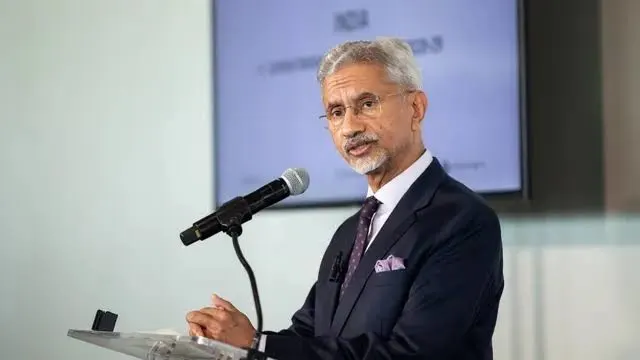
New York, of all places. That's where it happened this week, and if you scrolled past the headline thinking it was just another government press release, I get it. I almost did too. But the India UNSC 2028-29 campaign launched by External Affairs Minister S Jaishankar is not routine paperwork. It's India formally asking the world, again, to trust it with a seat at the table where war, peace, and sanctions get decided.
Here's the thing that struck me first. India isn't a stranger to this room. This would be the ninth time. Nine. And somehow each attempt still carries this quiet urgency, like the country is saying, we've done the work, now let us keep doing it from inside the room instead of outside it.
Why This Actually Matters
You might be thinking, okay, but why should I care about a rotating seat at the UN. Fair question. Here's the honest answer: the UN Security Council decides things that ripple into ordinary lives. Peacekeeping deployments. Sanctions on countries. Responses to conflicts that push up oil prices or disrupt trade routes you rely on without even knowing it.
Read More: 2026 FIFA World Cup Round of 16 Bracket Is Set, and the Matchups Are Brutal
When India pushes for its UN Security Council 2028-29 seat, it's really pushing for a louder voice in decisions that shape global stability, and by extension, the world you and I live in day to day. That's not an exaggeration. It's just how the plumbing of international relations works.
What This "SHANTI Vision" Really Is
Jaishankar didn't just walk in and say vote for us. He unveiled something called SHANTI, an acronym for Securing Holistic Advancement through Norms, Trust and Integrity. Sounds like a mouthful, I know. But strip away the acronym and it's fairly simple.
Think of it like a job candidate showing up with a portfolio instead of just a resume. India is saying, here's what we've already built, here's the track record, judge us on that. The portfolio includes nearly 300,000 peacekeeping personnel deployed across roughly 50 UN missions over the decades. It includes development projects currently running in 79 countries. That's not a small footprint. That's the kind of number that quietly does more talking than any speech.
Read More: Govinda's Lock Upp 2 Entry: Comic Timing Meets a Genuinely Tense Family Moment
How This Campaign Actually Plays Out, Step by Step
So how does a country actually win one of these non-permanent seats? It's not a popularity contest exactly, but it's not far off either.
First, the candidacy gets announced early, often years ahead, the way India just did for the 2028-29 term. Then comes the quiet, unglamorous part: years of lobbying, coalition building, and reminding member states why you deserve their vote when the UN General Assembly finally holds elections.
The Assembly votes by secret ballot, and a candidate needs a two-thirds majority. Regional blocs matter enormously here. India runs under the Asia-Pacific group, and it typically needs that bloc's informal backing before the wider vote even happens.
And here's a small but real detail people miss: this isn't about permanent membership. No veto power comes with this. It's a two-year term, non-renewable immediately after. So the seat is temporary, but the influence it buys, even briefly, tends to outlast the two years on paper.
Real-World Examples That Make This Click
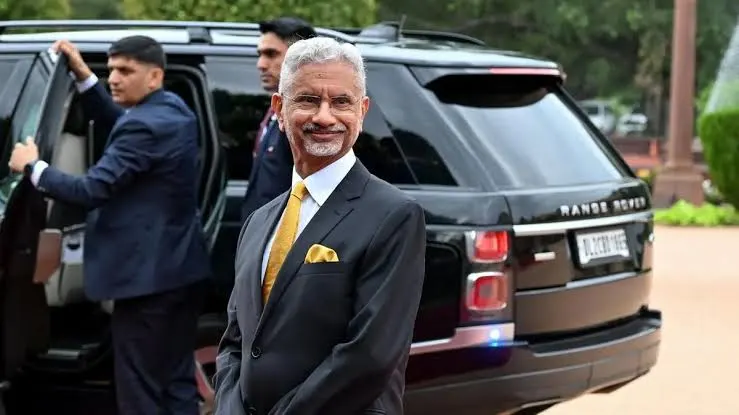
India previously held the horse-shoe table's rotating seat in 2021-2022, its eighth term overall, after stints going back to 1950-51. During that last term, India pushed counterterrorism reform and maritime security onto the Council's agenda, themes that hadn't gotten equal airtime before.
Read More: France World Cup Semifinal Run Continues: How Mbappe and Dembele Ended Morocco's Dream Again
That's the pattern worth noticing. Each term, India tends to bring one or two issues that were quietly underrepresented, and forces them into the conversation. It's less about grand declarations and more about steady, almost stubborn agenda-setting.
Mistakes People Keep Making When They Read This News
The most common one, honestly, is assuming a non-permanent seat equals real power like the P5 nations hold. It doesn't. No veto, remember. People also assume this campaign guarantees a win. It doesn't. Elections are years away, competition is real, and diplomacy can shift quickly.
Another quiet misunderstanding: treating this as purely symbolic. It's not just symbolism either. Somewhere between "just a photo op" and "game changing power move" is the honest truth, and that middle ground is where most UN Security Council reform conversations actually live.
Pro Tips for Understanding This Better
If you want to actually follow this story as it develops over the next two years, watch three things quietly. Watch which countries publicly back India's Asia-Pacific bid, because that early support usually predicts the final vote. Watch how India frames itself around the Global South, since that positioning, bridging developed and developing nations, has become its signature diplomatic move. And watch the peacekeeping numbers, because those statistics are India's strongest, quietest argument.
Closing Thoughts
There's something almost patient about watching a country ask for the same seat nine times, refining its pitch a little more each time, without losing the thread of why it matters. Maybe that's the real story here, not the seat itself, but the persistence behind chasing it. Whether India secures the UN Security Council 2028-29 seat or not, the campaign says something about how the country sees its place in the world, and maybe, in a small way, about how the world is slowly being asked to see India too.
Read More: Gaurav Khanna's Lock Upp Entry: What Actually Happened After Akanksha Chamola's Divorce Revelation
Disclaimer: This article is based on information available across the web. Parchar Manch does not take responsibility for its complete accuracy, as the content could not be fully verified.
FAQs
What is India's UNSC 2028-29 campaign about?
It's India's official bid, launched by EAM Jaishankar, to serve as a non-permanent member of the UN Security Council for the 2028-29 term.
What does SHANTI stand for?
Securing Holistic Advancement through Norms, Trust and Integrity, the vision framework Jaishankar outlined during the launch.
Has India held this seat before?
Yes, eight times previously, including 2021-2022, with earlier terms dating back to 1950-51.
Does a non-permanent seat come with veto power?
No. Only the five permanent members hold veto power. Non-permanent members serve two-year terms without it.
When will the election actually happen?
The UN General Assembly vote for the 2028-29 term will take place closer to that period, likely around 2027, following years of campaigning.
Why does India keep emphasizing the Global South?
Because positioning itself as a bridge between developed and developing nations has become central to India's diplomatic identity at the UN.