Indian Designer Spotlight 2026: Rising Talents Transforming Ethnic Fashion Trends
Fashion in India it has always felt like a memory stitched into fabric. Not just clothing, but something softer , like stories you can wear. In 2026, that feeling is shifting a little. Or maybe expanding. The silhouettes are familiar, the embroidery still whispers of home, but there’s something else now. A strange mix of nostalgia and future-thinking.
And that is exactly what Indian Designer Spotlight 2026 is about. It’s about the new generation of Indian fashion designers , and the evolving voice of ethnic wear designers , who are slowly reshaping what tradition looks like today. The traditional outfit trends we grew up seeing are not disappearing. They are transforming stretching adjusting to modern life.
Sometimes quietly. Sometimes boldly.
What Is Indian Designer Spotlight 2026?
Indian Designer Spotlight 2026 focuses on the new wave of designers who are redefining Indian couture in a way that feels both rooted and experimental. Not everything looks traditional anymore , and yet, somehow, everything still feels Indian.
These rising talents are working on:
- Sustainable and handcrafted fashion
- Lightweight bridal outfits
- Modern silhouettes in sarees and lehengas
- Fusion styles in contemporary ethnic fashion
They are the reason why traditional outfit trends are no longer limited to weddings or festivals. Ethnic wear is becoming everyday wear. Workwear. Travel wear. Identity wear. That quiet shift? That’s the heart of Indian Designer Spotlight 2026.
The Rise of Modern Indian Fashion Designers
Today’s Indian fashion designers are not designing for just one occasion. They are designing for multiple lives , the workday, the wedding night, the airport look, the festive brunch that feels half-formal.
They blend:
- Old embroidery techniques
- New digital prints
- Sustainable fabrics
- Relaxed tailoring
The result is something like breathable luxury. The newer ethnic wear designers are less focused on heavy layering and more interested in movement. How the fabric flows when someone walks. How does it photograph under natural light? How does it feel after hours of wearing? Because comfort is now part of Indian couture.
Bridal Wear Designers Are Rethinking Wedding Fashion
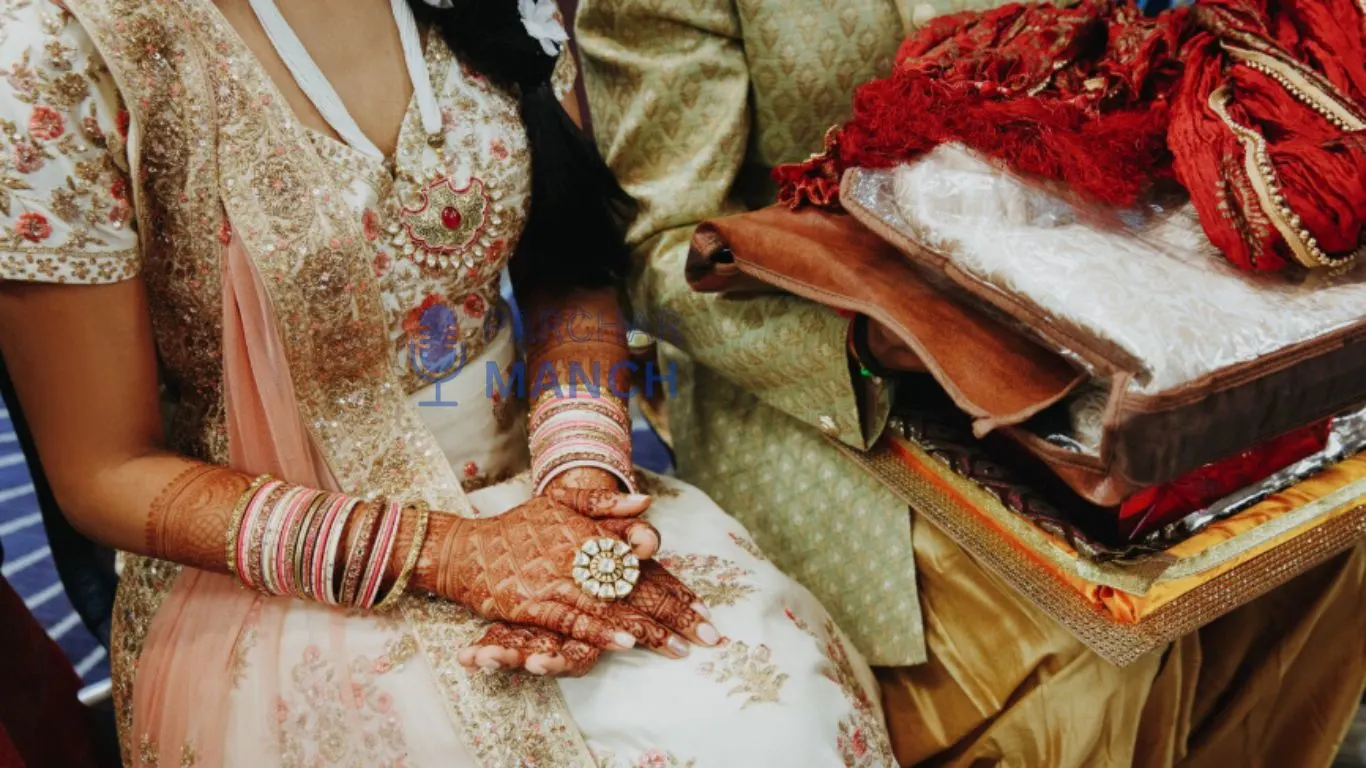
Indian weddings are changing. Slowly, yes , but noticeably. The new generation of bridal wear designers understands that brides in 2026 want elegance, but not exhaustion. They want beauty without the burden of carrying 10 kilos of embroidery.
So the latest designer lehenga trends now include:
- Minimal thread work
- Pastel tones
- Reusable silhouettes
- Detachable dupattas
- Lightweight layered fabrics
Some brides even choose lehengas that can be worn again as formal wear. That idea would have sounded unusual before. Now, it’s normal. This transformation is a big part of Indian Designer Spotlight 2026.
Contemporary Ethnic Fashion Is Becoming Everyday Wear
Earlier, ethnic wear was event-based. Now, it’s mood-based. Contemporary ethnic fashion is designed to fit into daily life , office meetings, casual dinners, or even travel days. A kurta paired with structured pants. A saree worn with sneakers. A lehenga skirt styled with a shirt. The traditional outfit trends still exist, but they feel lighter and more flexible.
Some popular adaptations in 2026 include:
- Jacket-style blouses
- Belted sarees
- Kurta-dress hybrids
- Asymmetrical hemlines
This evolution in Indian couture makes ethnic wear more accessible , especially to younger audiences.
Read More : Sustainable Fashion Brands 2026: Which Eco-Friendly Labels Are Worth Buying?

The Growing Importance of Handcrafted Fashion
Machine-made clothing is fast. But something about handwork feels alive. Imperfect, maybe , but alive. In Indian Designer Spotlight 2026, many Indian fashion designers are focusing on handcrafted fashion. They collaborate with local artisans for:
- Block printing
- Hand embroidery
- Natural dyeing
- Traditional weaving
This approach keeps heritage alive while supporting rural craft communities. More importantly, it brings uniqueness. No two handcrafted pieces look the same. That slight irregularity it feels human. And in a world of fast fashion, that matters.
Designer Lehenga Trends in 2026
The designer lehenga trends of 2026 are surprisingly subtle. No overwhelming shine. No excessive layering.
Instead, designers are focusing on:
- Monochrome palettes
- Metallic thread accents
- Floral hand embroidery
- Layered organza fabrics
Many bridal wear designers now create modular lehengas that can be styled differently for each wedding function. One outfit, multiple moods. This innovation reflects how contemporary ethnic fashion is becoming more practical , even for grand celebrations.
Indian Couture Is Becoming Sustainable
Sustainability is no longer a trend , it’s becoming a responsibility.
Several ethnic wear designers now use:
- Organic cotton
- Recycled silk
- Plant-based dyes
- Low-waste production techniques
This change is slowly influencing traditional outfit trends across India. Even luxury Indian couture is adapting. Designers are creating heirloom pieces meant to last years, not seasons. And that long-term thinking is central to Indian Designer Spotlight 2026.
Why Indian Designer Spotlight 2026 Matters
You might wonder why Indian Designer Spotlight 2026 is important.
Because fashion influences culture. The work of today’s Indian fashion designers shapes how future generations understand tradition. The innovations by bridal wear designers define wedding aesthetics for years to come. The rise of handcrafted fashion supports local craftsmanship. And the evolution of contemporary ethnic fashion makes tradition feel relevant again.
Not outdated. Not formal-only. Just wearable.
Conclusion: The Future of Indian Designer Spotlight 2026
When you really think about Indian Designer Spotlight 2026, it’s not just about rising names in fashion. It’s about changing perspectives. The way Indian fashion designers approach tradition today feels more open and experimental. The new generation of ethnic wear designers is redefining how traditional outfit trends fit into everyday life.
Modern bridal wear designers are creating outfits that balance beauty with comfort, while fresh designer lehenga trends reflect practicality and elegance together. The influence of handcrafted fashion is preserving heritage, even as contemporary ethnic fashion adapts to global lifestyles. Slowly, thoughtfully, Indian couture is moving towards sustainability and inclusivity. In simple words, Indian Designer Spotlight 2026 shows that ethnic fashion is not fading , it’s evolving.
Read More : Latest Fashion Trends 2026: What Are the Must-Have Styles Everyone Is Wearing This Year?
FAQs
What is Indian Designer Spotlight 2026?
Indian Designer Spotlight 2026 highlights rising Indian fashion designers who are transforming traditional outfit trends through innovation. It focuses on modern interpretations of ethnic wear that combine sustainability, comfort, and style.
How are bridal wear designers changing wedding fashion?
Today’s bridal wear designers are focusing on lightweight and reusable outfits. The latest designer lehenga trends include modular designs that brides can wear again for future occasions, making wedding fashion more practical.
Why is handcrafted fashion becoming popular again?
Today’s bridal wear designers are focusing on lightweight and reusable outfits. The latest designer lehenga trends include modular designs that brides can wear again for future occasions, making wedding fashion more practical.
What makes contemporary ethnic fashion different?
Contemporary ethnic fashion blends modern silhouettes with classic embroidery. It allows people to wear traditional outfits comfortably in everyday situations like work or casual outings.
How is Indian couture becoming sustainable?
Modern Indian couture now uses eco-friendly fabrics and low-waste production methods. Many Indian fashion designers are committed to ethical fashion practices that reduce environmental impact.