
ITC Coconut Cola: Why India's Biggest FMCG Player Just Picked a Fight With Coca-Cola
Nine calories. That's it, that's the entire calorie count in a can of the drink everyone's suddenly talking about. And somehow, that tiny number is part of a much bigger story, one where India's cigarette-to-biscuits conglomerate just walked into a market dominated by two of the most recognisable brands on Earth. The ITC coconut cola launch isn't a quiet experiment. It's a calculated, fairly bold swing at India's ₹50,000 crore carbonated soft drink market.
Let me actually unpack this properly, because there's more happening here than just another flavoured soda hitting shelves.
Why This Actually Matters
Here's the thing worth sitting with for a second. India's cola market has, for decades, basically meant two names, Coca-Cola and PepsiCo. Occasionally a regional challenger like Campa stirs things up. But ITC, a company built on tobacco, hotels, and packaged foods, entering this space directly signals something about where consumer demand is genuinely heading.
If you've noticed more sugar-free labels on shelves lately, you're not imagining it. Varun Beverages, a major bottling partner in India's drinks industry, reported that 63 percent of its consolidated sales volume during the March quarter came from low- and no-sugar beverages. That's not a niche trend anymore, that's the market itself shifting, and ITC's new sugar-free coconut drink is a direct response to exactly that shift.
Read More: Born After 2008? You Can Never Legally Buy a Cigarette in the UK. Here Is What That Actually Means
What the ITC Coconut Cola Really Is
Picture your regular cola, familiar fizz, familiar dark colour, but swap the usual sugar syrup base for tender coconut water. That's essentially what ITC built here. Launched under the company's B Natural brand as B Natural Coconut Cola, sometimes referenced as Sunfeast Sip N Fizz in early coverage, the drink is made using reconstituted tender coconut water as its primary ingredient, roughly 54 percent of the formulation, according to product labelling.
No added sugar. No caffeine. Just 9 kilocalories per can. It uses a non-nutritive sweetener rather than sugar, positioning itself squarely inside what the industry calls the diet cola segment, the fastest-growing corner of India's broader beverages market right now.
How ITC's Cola Market Entry Is Actually Playing Out, Step by Step
- Product formulation: The drink combines reconstituted tender coconut water, carbonation, natural flavouring substances, and an approved sweetener, deliberately avoiding added sugar entirely.
- Pricing strategy: ITC priced the 250 ml can at Rs 60, notably higher than rival diet colas, a 300 ml can of Diet Coke or Pepsi Black Zero Sugar typically costs around Rs 40, positioning this firmly as a premium carbonated drink rather than a mass-market challenger.
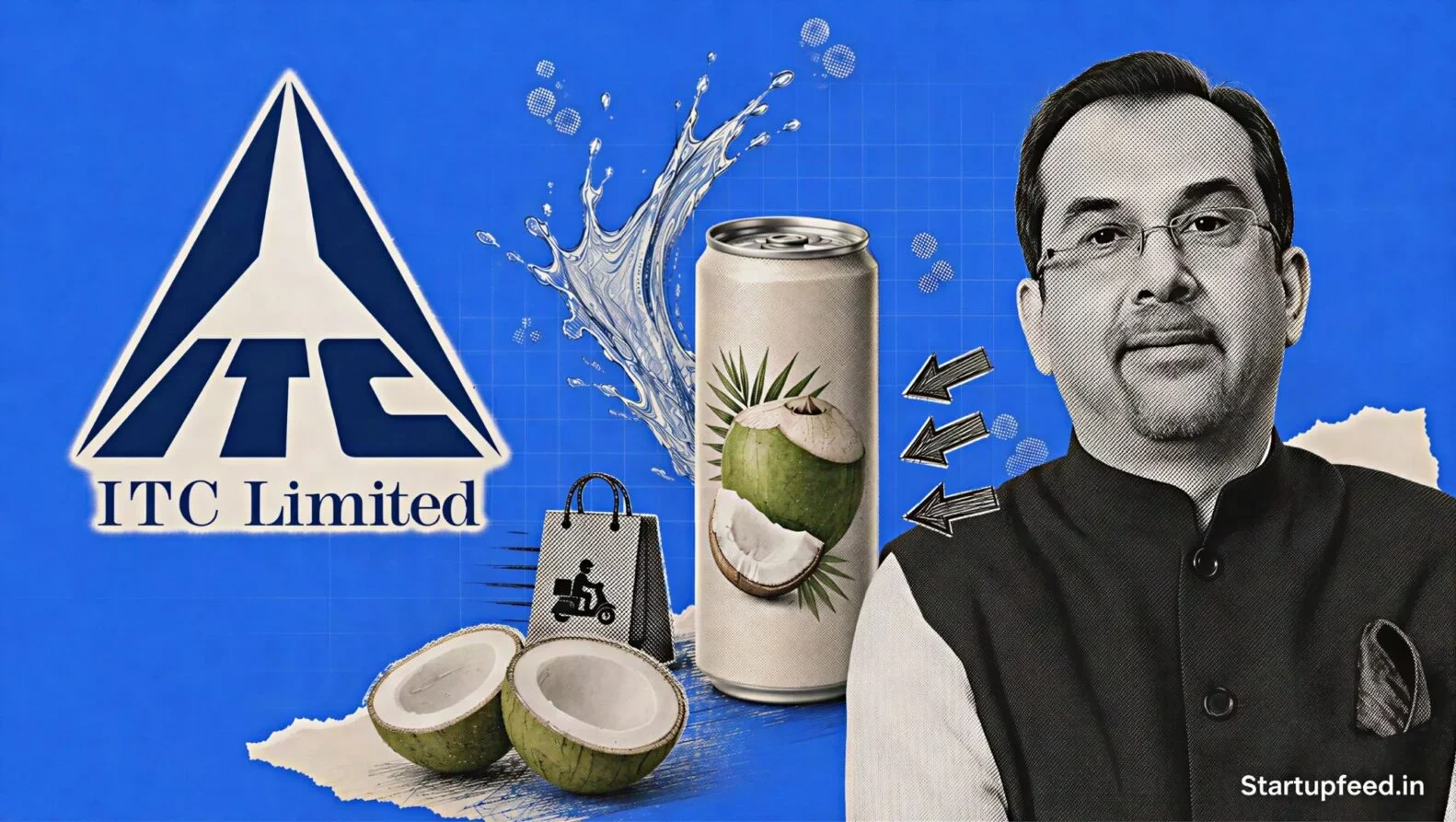
- Distribution approach: Rather than a nationwide retail blitz, ITC chose a quick commerce-first rollout, launching initially through platforms like Blinkit and Zepto, with wider distribution planned afterward.
- Regional pilot: Early rollout has begun in Andhra Pradesh and Telangana, allowing ITC to gather real consumer data before committing to broader expansion.
- Portfolio positioning: This launch builds directly on B Natural's recent expansion into no-added-sugar juices and coconut water ranges, alongside Sunfeast-branded high-protein smoothies, showing a deliberate, multi-step beverages strategy rather than an isolated product drop.
Read More:Vijay's Tamil Nadu Power Bid: What Is Really Happening and Why This Political Drama Is Far From Over
Real-World Examples
Imagine a health-conscious professional in Hyderabad scrolling through Zepto during a work break, someone who's cut back on sugary drinks but still craves that familiar cola fizz occasionally. That's exactly the consumer ITC is targeting with this ITC coconut cola launch, someone willing to pay a premium for a "better-for-you" option rather than defaulting to either a full-sugar cola or a diet version loaded with artificial sweeteners they're wary of.
Or picture ITC's own boardroom logic here, the company's FMCG segment already runs at 11 to 12 percent EBITDA margins, and quick commerce platforms now contribute roughly 15 to 20 percent of premium FMCG sales in metro cities. Launching through QCOMM first isn't cautious, it's strategic, minimal inventory risk, immediate consumer feedback, and a direct read on whether premium pricing actually sticks.
Mistakes People Keep Making About This Launch
A common one, assuming ITC is trying to beat Coca-Cola and PepsiCo head-on with mass-market pricing. It isn't, that's not the play here at all, let me clarify, the premium pricing deliberately avoids a direct price war, instead carving out a distinct, health-focused niche within the same category.
Another mistake, treating this as ITC's first beverages move. It's not. This is the latest step in a strategy ITC has been building for over a year, expanding B Natural well beyond its original fruit juice identity into a genuinely diversified beverages portfolio.
Read More:Himanta Biswa Sarma Resigns as Assam CM: What Comes Next and Why This Moment Is Bigger Than It Looks
Pro Tips for Understanding This Move
Watch the next three to six months of quick commerce sales data closely, that's reportedly the window ITC itself is using internally to decide whether a wider general trade rollout makes sense. Also worth tracking, whether ITC introduces additional flavours or pack sizes soon, the company has already signalled plans to expand the carbonated portfolio further if early traction holds.
Closing Thoughts
There's something quietly telling about a tobacco-and-biscuits conglomerate betting its next big consumer move on coconut water and zero sugar. It says the definition of a cola is loosening, and that India's beverage aisle is being reshaped as much by wellness trends as by fizz and nostalgia. Whether ITC coconut cola becomes a genuine category disruptor or a well-marketed niche product remains to be seen. Worth watching either way.
Read More: Why China’s Wang Yi Is Skipping the BRICS Delhi Meet — And What It Signals for Global Diplomacy
Disclaimer: This article is based on information available across the web. Parchar Manch does not take responsibility for its complete accuracy, as the content could not be fully verified.
FAQs
What is ITC's new coconut cola made of?
It's made primarily from reconstituted tender coconut water, combined with carbonation, natural flavouring, and a non-sugar sweetener, with no added sugar or caffeine.
How much does ITC's coconut cola cost?
It's priced at Rs 60 for a 250 ml can, positioned above rival diet colas like Diet Coke and Pepsi Black Zero Sugar.
Where can I buy ITC's coconut cola right now?
It launched initially through quick commerce platforms like Blinkit and Zepto, with regional availability starting in Andhra Pradesh and Telangana ahead of a wider rollout.
Is ITC's coconut cola a diet drink?
Yes, it falls under the sugar-free, low-calorie diet cola segment, containing just 9 kilocalories per can and no added sugar.
Why is ITC entering the cola market now?
ITC is responding to rapid growth in India's low- and no-sugar beverage segment, building on its existing B Natural brand expansion into juices and coconut water.
Will ITC's coconut cola compete directly with Coca-Cola and PepsiCo?
It enters the same broad category but through premium pricing and a health-focused positioning, aiming to create a niche rather than compete on mass-market price alone.