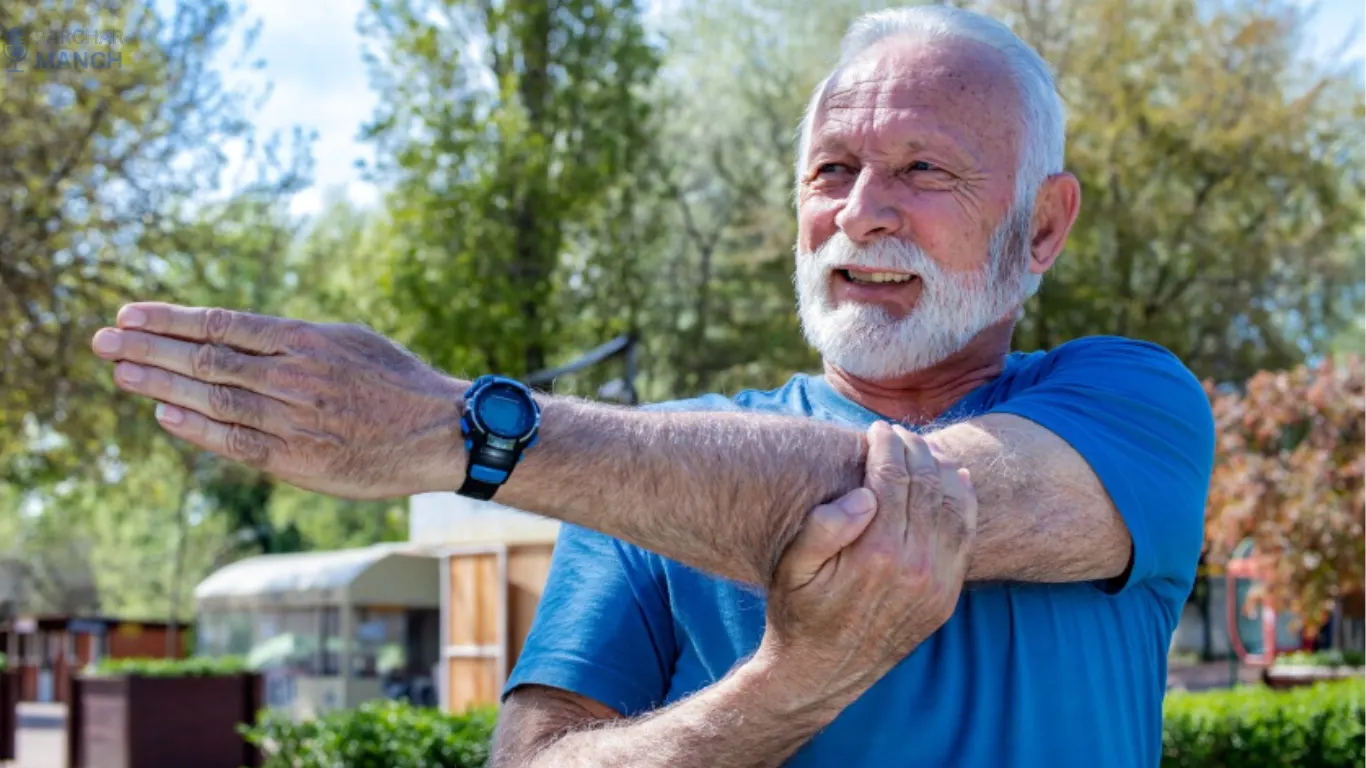
Joint Pain in Old Age: Causes, Symptoms & Natural Relief Tips for Seniors
There’s a certain kind of silence that comes with mornings after 60. Not peaceful silence, but the quiet pause before standing up. That small hesitation. The knee that doesn’t quite listen. The shoulder that remembers something heavy from years ago and refuses to forget.
This is where joint pain in old age begins to feel less like a condition and more like a daily companion. Sometimes it starts with mild discomfort , a dull ache after walking, a strange pull while climbing stairs.
Other times, it arrives as stiffness, a tightness that makes simple movements feel like lifting quiet thunder. And slowly, without announcing itself loudly, joint pain in old age becomes part of the routine. But understanding why it happens , and how to manage it , can make things easier. Maybe not perfect. But easier.
What Causes Joint Pain in Old Age?
The body changes with time. Cartilage wears down. Bones lose density. Muscles weaken , not dramatically, just gradually, like fading sunlight.
Read More: Morning Yoga vs Evening Yoga: Which Is Better and Why?
The most common causes of joint pain in old age include:
- Reduced joint lubrication
- Bone density loss
- Muscle weakness
- Past injuries
- Weight gain
- Vitamin and mineral deficiencies
Often, calcium deficiency symptoms like brittle bones or muscle cramps make joints weaker and more prone to pain. And then there’s arthritis in seniors, which becomes one of the leading reasons behind persistent joint discomfort. Even mild stiffness in old age can eventually turn into chronic joint pain if ignored.
Common Symptoms of Joint Pain in Old Age
Joint pain rarely arrives alone. It brings signs , small ones at first.
Symptoms of joint pain in old age may include:
- Swelling around joints
- Difficulty walking
- Limited movement
- Morning stiffness
- Pain while standing
Many seniors also experience knee pain in the elderly, especially after long periods of sitting. This knee pain in the elderly often worsens due to arthritis in seniors, making walking or bending difficult.
Read More: Beginner’s Guide to Intermittent Fasting Diet Plan for Safe Weight Loss
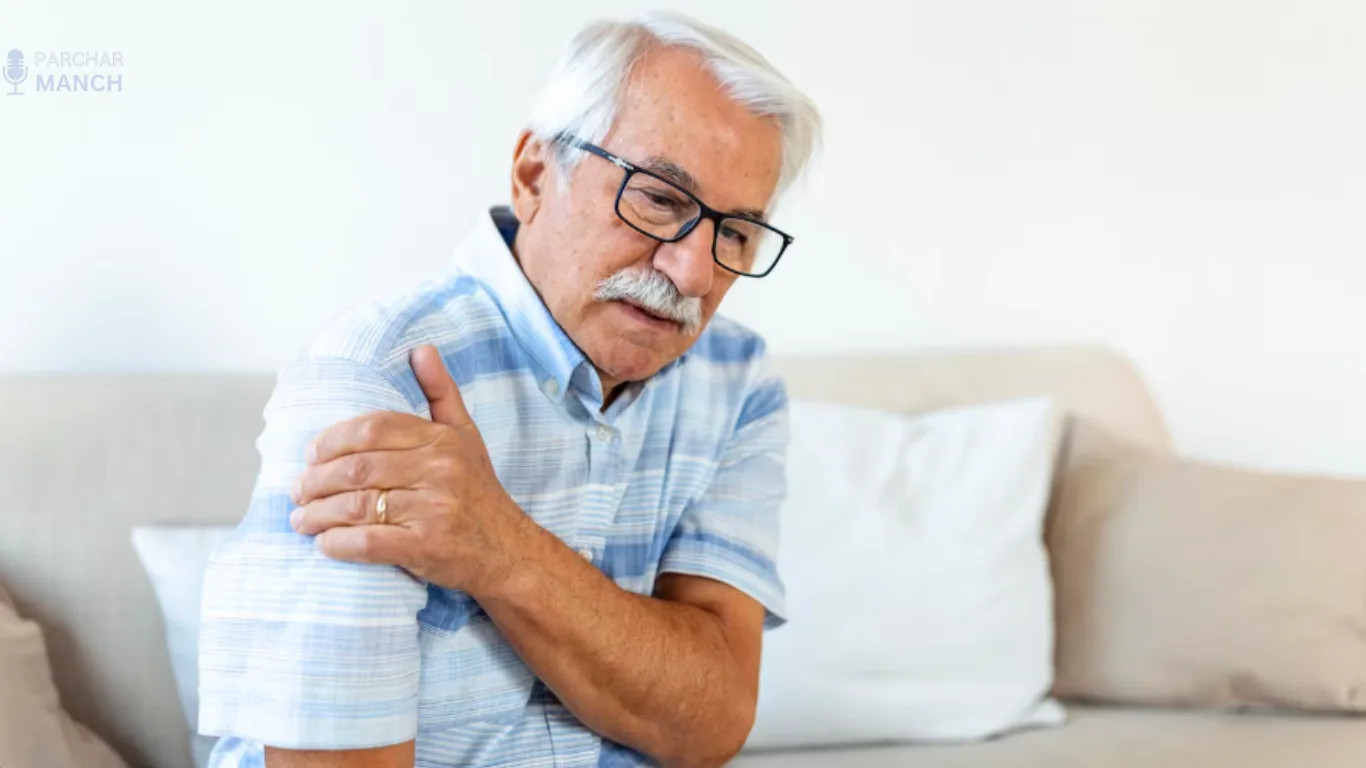
In some cases, calcium deficiency symptoms like joint tenderness and bone pain may increase discomfort. Ignoring these early signs can worsen stiffness in old age over time.
Arthritis in Seniors: A Major Cause
One of the biggest contributors to joint pain in old age is arthritis in seniors.
It causes:
- Joint inflammation
- Pain while moving
- Reduced flexibility
- Swelling
With age, cartilage becomes thinner , almost fragile , increasing friction between bones.
This leads to:
- Severe knee pain in the elderly
- Persistent stiffness in old age
- Reduced mobility
Managing arthritis in seniors through diet, lifestyle, and simple exercises for joint pain can make daily movements less painful.
Calcium Deficiency Symptoms That Affect Joints
Sometimes, the problem is not just age , it’s nutrition.
Common calcium deficiency symptoms include:
- Weak bones
- Muscle cramps
- Joint pain
- Fatigue
- Poor posture
These calcium deficiency symptoms can increase the risk of fractures and worsen joint pain in old age. A lack of calcium may also intensify knee pain in the elderly and cause severe stiffness in old age. Addressing these symptoms early can reduce discomfort naturally.
Read More: Top Diet Trends 2026 That Actually Work for Weight Loss
Home Remedies for Joint Pain in Old Age
Many seniors prefer natural relief , not pills, not heavy treatments, just simple care at home.
Some helpful home remedies for joint pain include:
- Warm compress
- Turmeric milk
- Ginger tea
- Epsom salt bath
- Oil massage
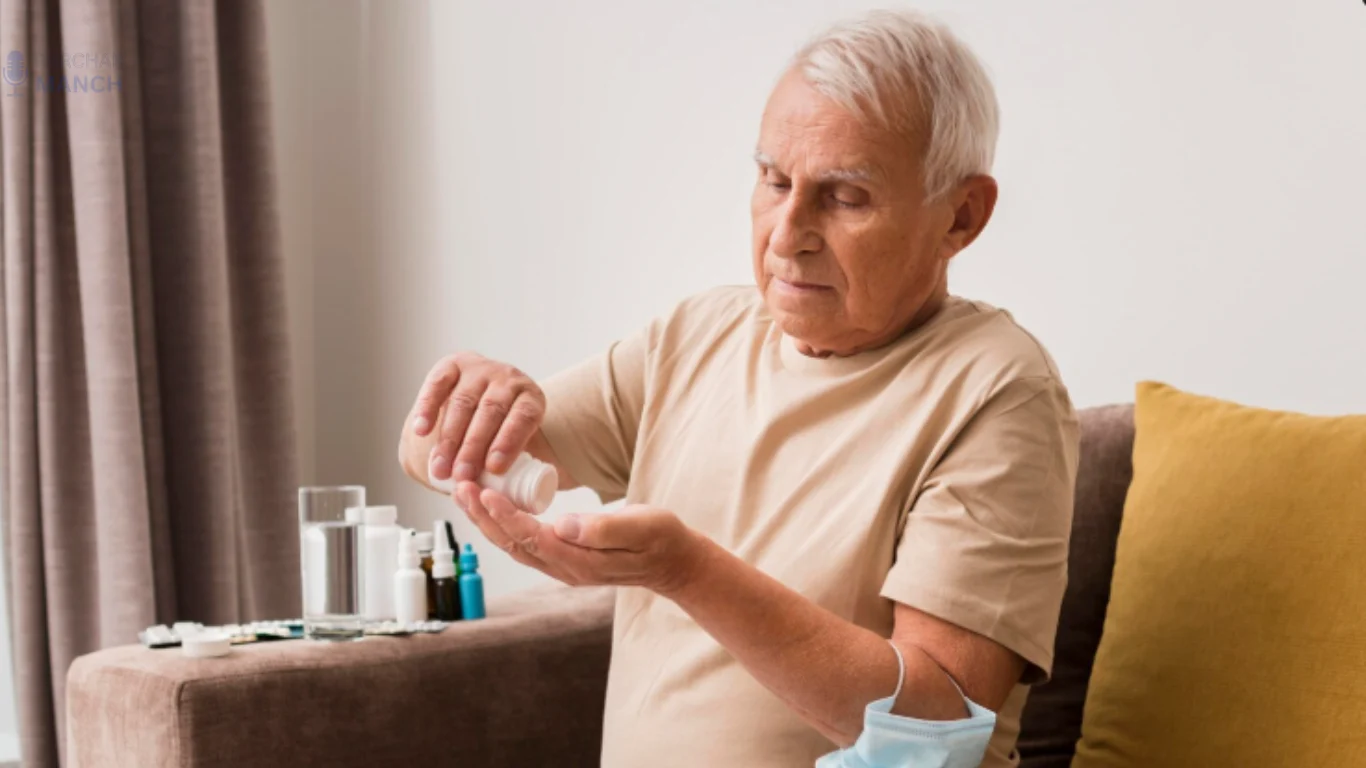
Regular oil massage using the best oil for joint pain can improve blood circulation. Using the best oil for joint pain, like mustard or sesame oil, can ease stiffness in old age and reduce swelling. These home remedies for joint pain can support mobility and improve comfort when followed consistently.
Exercises for Joint Pain Relief
Movement might feel uncomfortable , yes , but avoiding it often makes things worse.
Simple exercises for joint pain help:
- Improve flexibility
- Strengthen muscles
- Reduce stiffness
- Increase joint lubrication
Recommended exercises for joint pain include:
- Walking
- Gentle stretching
- Yoga
- Leg raises
- Arm rotations
These exercises for joint pain can reduce joint pain in old age and prevent worsening knee pain in the elderly. They also help manage arthritis in seniors naturally.
Read More: Top 10 Daily Exercises to Control Obesity at Home
How to Reduce Joint Pain Naturally
Many seniors wonder how to reduce joint pain naturally without relying on medication.
Here’s what helps:
- Balanced diet
- Regular exercise
- Oil massage
- Adequate hydration
- Sunlight exposure
Learning how to reduce joint pain naturally can reduce dependency on painkillers. Including calcium-rich foods can prevent calcium deficiency symptoms.
Using the best oil for joint pain and following home remedies for joint pain can ease stiffness in old age. A routine of exercises for joint pain also helps maintain flexibility. Understanding how to reduce joint pain naturally becomes essential for managing daily discomfort.
Conclusion
Living with joint pain in old age can feel frustrating , like your body remembers every step you’ve taken, every weight you’ve carried. But pain doesn’t have to define the day.
Managing arthritis in seniors, addressing calcium deficiency symptoms, and following simple home remedies for joint pain can slowly improve mobility. Regular exercises for joint pain and the use of the best oil for joint pain can ease movement and reduce swelling.
Paying attention to early knee pain in the elderly and reducing stiffness in old age helps prevent further damage. Learning how to reduce joint pain naturally through daily habits can improve comfort and independence. With consistent care, joint pain in old age can become manageable , not silent, but softer, less intrusive.
Disclaimer: This article is based on information available across the web. Parchar Manch does not take responsibility for its complete accuracy, as the content could not be fully verified.
Read More: Main Causes of Stress Disorders & How to Prevent Them (Easy Guide for Everyone)
FAQs
What is the main reason for joint pain in old age?
The most common cause of joint pain in old age is the natural wear and tear of joints along with reduced bone density. Conditions like arthritis in seniors and calcium deficiency symptoms can also contribute to discomfort. These issues may lead to stiffness and reduced mobility.
How can knee pain in the elderly be managed at home?
Simple home remedies for joint pain, like warm compress and oil massage using the best oil for joint pain, can reduce swelling. Regular exercises for joint pain also helps strengthen muscles around the knees. These steps can ease knee pain in the elderly naturally.
Which exercises are best for joint pain relief?
Gentle stretching, yoga, and walking are effective exercises for joint pain. These exercises improve flexibility and reduce stiffness in old age. They also support joint health in people suffering from arthritis in seniors.
Can calcium deficiency cause joint pain in seniors?
Yes, calcium deficiency symptoms like weak bones and muscle cramps can increase joint pain in old age. Lack of calcium also worsens knee pain in the elderly. Including calcium-rich foods helps reduce these symptoms.
How to reduce joint pain naturally without medicine?
Understanding how to reduce joint pain naturally through exercise, a balanced diet, and home remedies for joint pain can improve comfort. Using the best oil for joint pain and maintaining an active lifestyle also helps reduce stiffness in old age.