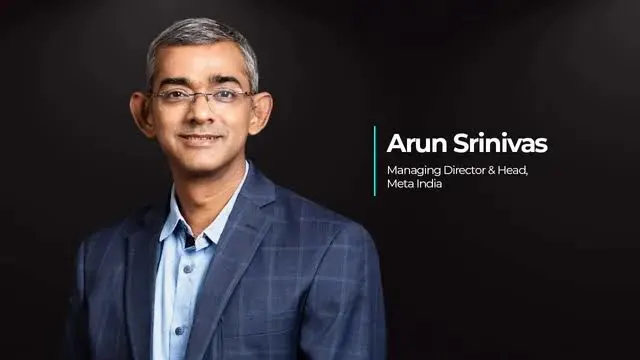
Meta India Head Case: Why Arun Srinivas Is Suddenly Facing an FIR Over Modi Videos
Something strange happened this week in Hyderabad. A cybercrime police station, not exactly a place that usually makes national headlines, registered a case that within hours had Meta's name trending across every major Indian news outlet. The Meta India head case is not a small local matter. It involves the country's top social media company, its most senior Indian executive, and videos of the Prime Minister that, depending on who you ask, were either dangerous misinformation or just another round of online noise that got out of hand.
Let's slow down and actually understand what happened here. Because most of what's floating around right now is headlines without context, and that's exactly the kind of thing that confuses people more than it informs them.
Why This Actually Matters
Here's the thing. This isn't really a story about one executive or one FIR. It's about something bigger, quiet urgency, you could call it, around how AI-generated content is now colliding with real-world law enforcement. If a morphed Modi video can trigger a criminal case against a company's country head, that tells you something about where the internet is heading. No, that's not quite the full picture either, let me rephrase. It tells you that platforms are now being held personally, not just corporately, accountable for what circulates on them.
For ordinary users, this matters because it changes what "just sharing a video" could mean. For businesses operating platforms in India, it's a warning shot. And for anyone trying to understand India's digital regulation landscape, this case will likely be referenced for years.
Read More: Why Meta Apologised After PM Modi's Facebook Video Vanished and Reappeared
What It Really Is, Explained Simply
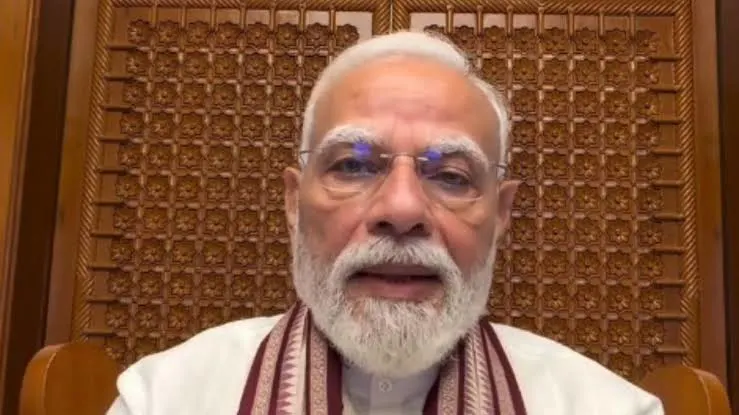
So what actually happened? The Meta India head case centers on Arun Srinivas, who leads Meta's operations in India, being named in FIRs filed by the Hyderabad Cyber Crime Police. The complaints allege that morphed and digitally altered videos and images of Prime Minister Narendra Modi circulated on Facebook and Instagram, portraying him in what complainants called an obscene, derogatory, and misleading manner.
Think of it like this. Imagine a landlord being questioned because a tenant hung an illegal banner outside the building. That's roughly the legal logic being tested here, whether a platform's top executive can be held responsible for content posted by users, especially when that content is allegedly AI-generated and spread rapidly before being taken down.
Two separate complaints triggered this. One came from Telangana BJP social media committee member T. Saikiran Goud, who submitted around 20 Facebook and Instagram links. Another came from BJP supporter S. Aravind Reddy, who said he came across manipulated content involving Modi, US President Donald Trump, and former Union minister Dharmendra Pradhan while browsing Instagram.
How the Case Is Unfolding, Step by Step
- The trigger: Videos linked to protests by the Cockroach Janta Party, connected to NEET paper leak demonstrations, began circulating with allegedly morphed PM Modi content.
- The complaint: Two individuals separately flagged the content to Hyderabad police, citing IT Act violations and threats to public order.
- The FIR: Police booked Arun Srinivas along with unidentified operators of the Facebook and Instagram accounts involved.
- The charges: Sections covering identity theft, obscene electronic content, statements causing public disorder, and forged electronic records under the Bharatiya Nyaya Sanhita and IT Act.
- The investigation: By the time police moved in, most flagged links had already gone inactive or been deleted, which is now part of what investigators are trying to trace.
- The backdrop: This comes days after a Modi video was briefly and separately removed from Facebook, which had already drawn government scrutiny toward Meta's content moderation practices.
Real-World Examples That Make This Click
Picture someone scrolling Instagram late at night, the way most of us do, half paying attention. They stumble on a video that looks like the Prime Minister saying something he clearly never said. It spreads. Screenshots get taken before it's removed. By morning, thousands have seen it and the original may already be gone. That gap, between posting and takedown, is exactly where this Meta India head case lives. It's not really about whether the video existed. It's about how fast platforms respond, and who is legally answerable for the delay.
Mistakes People Keep Making, And Why
A lot of people assume sharing a video, even one that looks fake, is harmless because "everyone's doing it." That's understandable, honestly, but it's also exactly how manipulated content spreads faster than fact-checks can catch up. Others assume platforms like Facebook and Instagram are automatically shielded from liability. They're not, not entirely, and this case is proof of that shifting ground.
Pro Tips That Actually Help
If you're a regular user, pause before resharing anything showing a public figure in a way that feels exaggerated or off. Reverse image search tools and slow, careful viewing catch more fakes than people expect. If you run a business page or manage social accounts, document your moderation response times, because that's clearly becoming legally relevant now.
Closing Thoughts
There's something oddly fitting about this unfolding in the age of AI-generated everything. We built tools that can convincingly fake a Prime Minister's voice and face, and now we're watching the legal system scramble to figure out who's responsible when it happens. Maybe that scramble is overdue. Maybe it's just beginning.
FAQs
Who is Arun Srinivas?
He is Meta's India head, leading the company's operations in the country since last year.
What law sections are involved in the Meta India head case?
Sections of the Bharatiya Nyaya Sanhita and the Information Technology Act, including provisions on identity theft, obscene electronic content, and public disorder.
Has Meta responded to the FIR?
As of now, Meta has not issued a detailed public response to the FIR filed by Hyderabad Cyber Crime Police.
Were the videos confirmed as AI-generated?
Investigators suspect AI generation and are still examining the origin and spread of the morphed Modi videos.
Could this affect how Facebook and Instagram operate in India?
It's likely to push platforms toward faster content moderation and more oversight, especially involving public figures.