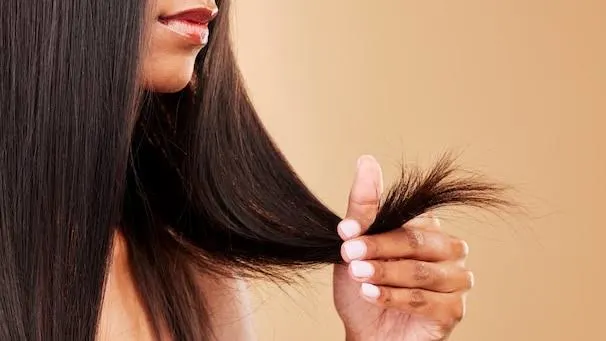
Monsoon Hair Care Tips for Frizzy Hair: How to Keep Hair Smooth and Healthy
Monsoon brings relief from the heat, but the increased humidity can make hair difficult to manage. Hair often becomes rough, puffy, tangled, and frizzy during the rainy season. The main reason is the high moisture content in the air, which affects the hair cuticle and makes strands absorb moisture unevenly.
The good news is that a few simple changes to your daily routine can help control frizz and keep your hair smoother throughout the monsoon. These monsoon hair care tips for frizzy hair can easily be included in your regular hair-care routine without requiring expensive treatments.
Why Does Monsoon Make Hair Frizzy?
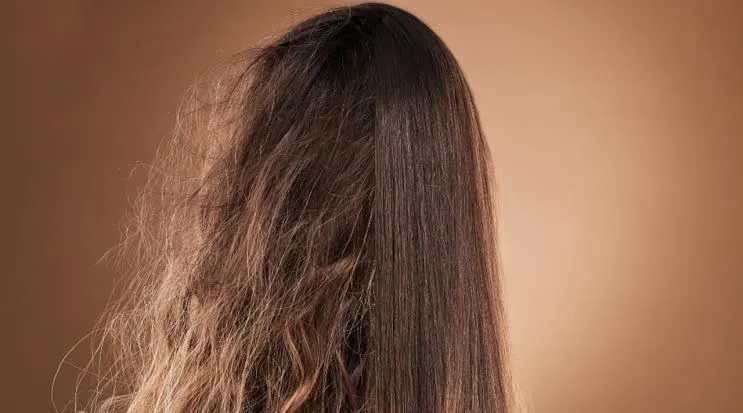
Humidity is one of the biggest reasons behind monsoon frizz. When there is excess moisture in the air, hair strands absorb water from the surroundings. This can cause the outer cuticle layer of the hair to lift, creating a rough and puffy appearance.
People with naturally curly, wavy, dry, or damaged hair may notice frizz more prominently because these hair types are generally more sensitive to changes in moisture.
Instead of trying to completely remove moisture from your hair, the better approach is to maintain a healthy moisture balance and protect the hair cuticle.
Adjust Your Hair-Washing Routine
Your shampoo and washing habits can make a noticeable difference during humid weather.
1. Use Lukewarm Water
Avoid washing your hair with very hot water. Hot water can remove natural oils from the scalp and leave the hair feeling dry. Lukewarm or cool water is generally a gentler option.
2. Choose a Mild Shampoo
A mild or sulfate-free shampoo can help prevent excessive dryness, particularly if your hair is already rough or chemically treated. However, the best shampoo depends on your scalp type and individual hair needs.
3. Don't Skip Conditioner
Conditioner helps smooth the hair surface and makes strands easier to manage. Apply a lightweight conditioner mainly to the mid-lengths and ends rather than directly on the scalp.
Dry Your Hair Gently
The way you dry your hair can either reduce or increase frizz.
Avoid aggressively rubbing wet hair with a regular towel. Friction can roughen the hair cuticle and contribute to breakage and frizz.
After washing:
- Gently squeeze out excess water.
- Use a soft towel or microfiber towel.
- Allow your hair to air-dry whenever possible.
- Avoid excessive heat from blow dryers.
- If you use a dryer, choose a lower-heat setting.
Never tie your hair tightly while it is completely wet. Allow it to dry at least partially before putting it into a braid, bun, or ponytail.
Simple Anti-Frizz Habits for Monsoon
Small changes in your everyday routine can make your hair easier to manage.
Use a small amount of serum:
A lightweight anti-frizz serum can help smooth the hair and reduce the appearance of flyaways.
Apply oil carefully:
A few drops of coconut oil or another suitable hair oil on the ends may help reduce dryness. Avoid applying excessive oil, especially if your scalp becomes oily during humid weather.
Avoid excessive brushing:
Repeatedly brushing dry hair can make frizz more noticeable. Use a wide-tooth comb to gently detangle wet or damp hair.
Don't touch your hair repeatedly:
Constantly running your fingers through your hair can disturb the hair pattern and increase frizz.
Choose loose hairstyles:
A loose braid or low bun can be more practical during rainy and humid weather than leaving hair completely open.
Protect Your Hair When Going Outside
Rainwater, humidity, sweat, and pollution can make hair feel greasy and difficult to manage. If you know you will be outside during rainy weather, carrying a compact umbrella or using suitable rain protection for your hair can help reduce unnecessary exposure to rainwater.
If your hair becomes wet in the rain, avoid leaving it damp for several hours. Gently dry it and wash it when necessary, particularly if the scalp feels dirty or uncomfortable.
Don't Ignore Your Diet
Healthy hair also depends on adequate nutrition. External hair products can help manage frizz, but your overall diet matters for maintaining healthy hair strands.
Include adequate protein and a variety of nutrient-rich foods in your meals. Lentils, beans, dairy products, tofu, nuts, seeds, vegetables, and fruits can contribute to a balanced diet.
Staying adequately hydrated is also important, especially during warm and humid weather.
Can Hair Fall Increase During Monsoon?
Some people notice increased hair shedding during the monsoon. Humidity and sweating can make the scalp feel oily or uncomfortable, while poor scalp hygiene may contribute to problems such as dandruff or irritation.
However, significant or persistent hair fall should not automatically be blamed on the weather. Hair shedding can have many causes, including stress, nutritional deficiencies, hormonal changes, illness, and other scalp conditions.
If hair fall is sudden, excessive, or continues for a prolonged period, consider speaking with a dermatologist.
Final Thoughts
Monsoon frizz is difficult to avoid completely because humidity naturally affects the hair. However, the right routine can make a significant difference. Use gentle hair products, condition regularly, dry your hair carefully, avoid excessive heat and brushing, and keep your scalp clean.
Most importantly, don't overload your hair with multiple products. A simple and consistent routine is often enough to keep hair looking smoother, healthier, and easier to manage during the rainy season.
FAQs
Should I wash my hair less often during monsoon?
Not necessarily. Your washing frequency should depend on your scalp type, sweating, oiliness, and lifestyle. Instead of simply washing less often, focus on using suitable, gentle products and keeping the scalp clean.
Does oiling hair help with monsoon frizz?
A small amount of oil applied to dry ends may help make hair feel smoother and reduce dryness. However, excessive oil can make the scalp feel heavy and greasy, particularly in humid weather.
Is it okay to tie wet hair during monsoon?
It is better to avoid tying hair when it is completely wet. Allow it to dry at least partially before tying it. This can also help prevent a damp or musty smell.
Can hair fall increase during monsoon?
Some people may notice increased shedding or scalp problems during humid weather. However, persistent or excessive hair fall can have several causes and should be evaluated by a professional if it continues.
What hairstyles work best for frizzy hair in monsoon?
Loose braids, low buns, and relaxed ponytails are practical choices. They can help keep hair controlled without putting excessive tension on the roots.