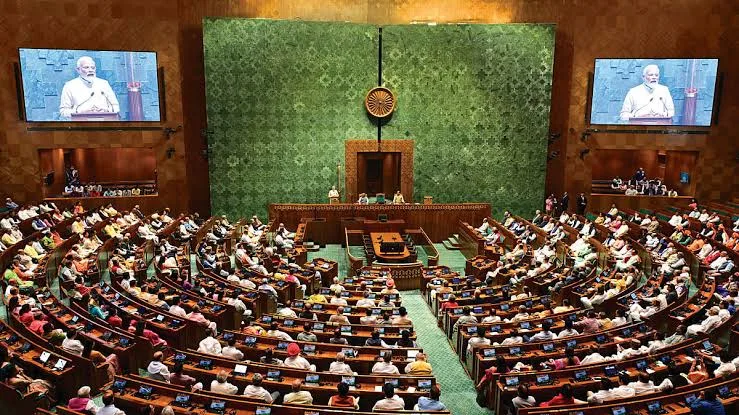
Monsoon Session 2026: Why This Might Be The Most Explosive Parliament Sitting In Years
Nineteen sittings. Four weeks. And already, before a single gavel has fallen, both sides of the aisle are treating it like the opening move of a much longer game. That is the mood around Monsoon Session 2026, and if you have been half following the headlines without really understanding why everyone seems tense, this is the piece that connects the dots.
Let me walk through it properly, because there is genuinely a lot happening at once here.
Why This Actually Matters
Here is the thing people miss. parliamentary sessions can feel distant, procedural, boring even, until you realise the decisions made inside directly touch your tax filings, your job market, your kid's exam system. The Monsoon Session 2026 running from July 20 to August 13 is not just political theatre. It carries bills that could reshape income tax rules, alter how constitutional office holders get removed from power, and respond, finally, to months of protest over exam irregularities. If you have ever wondered why your news feed suddenly fills up with Parliament clips every July or August, this is why. this is the session where actual laws get decided.
What It Really Is (Concept Explained Simply)
Okay, simple version first. India's Parliament meets in three regular sessions each year, Budget, Monsoon, and Winter. Think of the Monsoon Session as the mid year check in, where pending bills get pushed through, new ones get introduced, and whatever political fires have been smouldering since the last sitting finally get aired on the floor of the House. This year's session, the eighth of the Eighteenth Lok Sabha, was formally approved by President Droupadi Murmu on the government's recommendation, with Parliamentary Affairs Minister Kiren Rijiju announcing the July 20 to August 13 window back on July 4.
No, wait, let me be precise here because the numbers matter. that is 19 sittings across four weeks, a fairly packed calendar by recent standards.
How It Works, Step By Step
So what actually happens leading up to and during a session like this.
- The all-party meeting: Held a day before the session opens, this July 19 meeting is where the government requests cooperation from every political party for smooth proceedings, while also getting a preview of what the Opposition intends to raise.
- Bill introduction: The government has lined up seven major bills. two pending ones, the Foreign Contribution Regulation Amendment Bill and the Viksit Bharat Shiksha Adhishthan Bill, plus five fresh ones covering income tax, Supreme Court judge numbers, MSME reform, birth and death registration, and national honour protections.
- The JPC report: A Joint Parliamentary Committee has been examining the contentious 130th Constitution Amendment Bill, which proposes automatic removal of a Prime Minister, Chief Minister, or minister after 30 consecutive days in judicial custody. This report was finalised around July 17, right before the session began.
- Opposition strategy meetings: Leaders of Opposition parties in both Houses met on the opening day itself, July 20, to coordinate a joint approach on what to challenge.
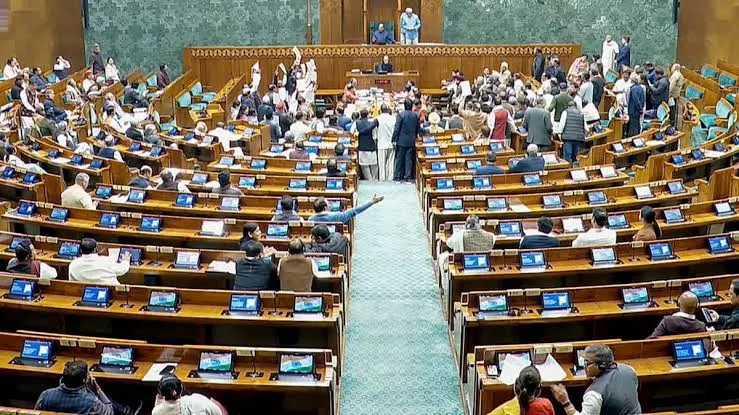
- Floor debates and disruptions: From here, expect daily clashes over Operation Sindoor casualty figures, privilege proceedings against the Defence Minister, and the ongoing NEET paper leak fallout, alongside actual legislative votes.
Real World Examples
Compare this to last year. the 2025 Monsoon Session, the first after Operation Sindoor, ran 21 sittings and pushed through seventeen bills including shipping and income tax legislation. This year's Parliament Monsoon Session feels heavier though, mostly because the 130th Constitution Amendment Bill touches something structurally sensitive, how elected officials can be removed from office. That is not a small tweak, that is the kind of change that reshapes how political power gets challenged in courts and legislatures alike going forward.
Mistakes People Keep Making (And Why)
A frequent one. assuming every bill mentioned in the agenda will actually pass. Plenty get introduced, debated, and then quietly shelved or sent back to committee, especially anything controversial like the constitutional amendment bill. Another mistake, treating Parliament disruptions as wasted time. Sometimes the loudest sessions produce the most scrutiny, even if fewer bills get cleared, because public pressure through protest and debate shapes future legislation too, just less visibly.
Pro Tips That Actually Help
If you want to actually follow the Monsoon Session 2026 without drowning in noise, track the Lok Sabha bulletin directly rather than secondhand summaries, it lists exactly what's tabled each day. Pay attention to which bills replace existing ordinances, like the Income Tax Amendment Bill and the Supreme Court judges bill, those usually move faster since there's already legal pressure to formalise them. And if political drama is what interests you more than legislation, watch the first week closely, that's typically when walkouts and privilege motions peak before things settle into routine business.
Closing Thoughts
There's something almost predictable about how these sessions unfold, tension at the start, a flurry of bills near the end, and somewhere in between, the actual business of governing a country this size and this complicated. Whether the Monsoon Session 2026 ends up remembered for the constitutional amendment fight, the education protests bleeding into Parliament, or simply as another routine four weeks, depends entirely on what happens inside those chambers over the coming days. Worth watching, properly, not just skimming the headlines.
FAQs
When does the Monsoon Session 2026 start and end?
It runs from July 20 to August 13, 2026, spanning 19 sittings across four weeks.
What are the key bills in this Monsoon Session?
Seven major bills are expected, including the Income Tax Amendment Bill, Supreme Court Number of Judges Amendment Bill, MSME Development Amendment Bill, FCRA Amendment Bill, and the Viksit Bharat Shiksha Adhishthan Bill.
What is the 130th Constitution Amendment Bill about?
It proposes automatic removal of a Prime Minister, Chief Minister, or minister if arrested and held in judicial custody for 30 consecutive days, a clause the Opposition views as politically risky.
Why is the Opposition raising Operation Sindoor in this session?
The Congress has alleged the Defence Minister misled Parliament over reported casualty figures during Operation Sindoor, and privilege proceedings against him are expected to be raised.
Will the NEET paper leak issue come up in the Monsoon Session?
Yes, the Opposition has listed it among key issues to raise, alongside unemployment and inflation, especially given the ongoing protests and hunger strike linked to education accountability.