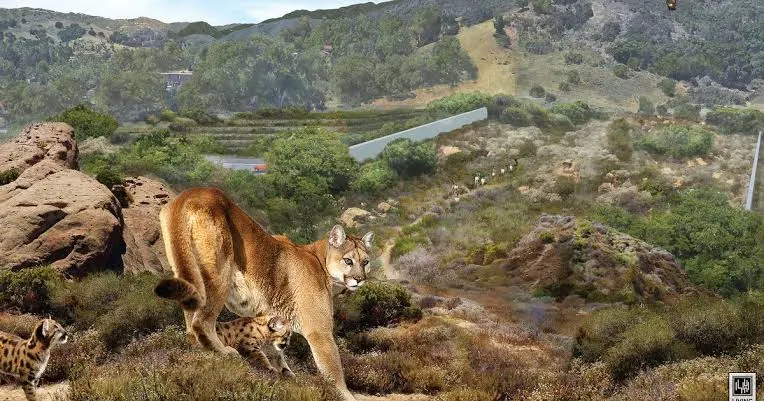
Mountain Lions in California Preserve: How One Predator Quietly Rewired an Entire Ecosystem
There's a tiny preserve about 45 miles south of San Francisco where something strange has been happening for the last decade, and almost nobody outside the research world knew about it until now. Deer started showing up less. Oak trees started growing back. And it all traces to one animal nobody expected to matter this much in such a small space, the mountain lion.
Why This Actually Matters
Most people picture big predators changing ecosystems in places like Yellowstone, vast wilderness, wolves, that kind of scale. What happened at Stanford's Jasper Ridge Biological Preserve flips that assumption. A small, suburban patch of land showed the same kind of ripple effect researchers usually only document in massive wild landscapes. That matters because it means protecting wildlife corridors doesn't require enormous tracts of untouched land, even modest preserves connected to larger mountain ranges can carry real ecological weight.
What's Really Going On Here
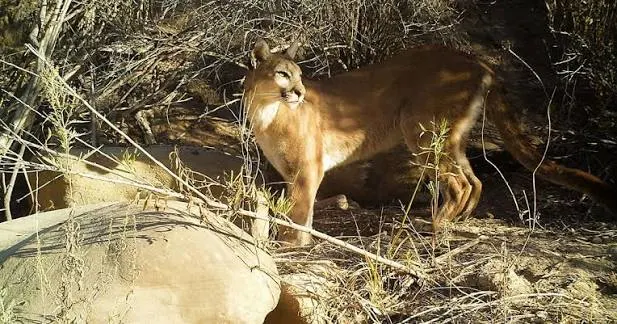
Here's the concept in plain terms. Scientists call this a trophic cascade, which sounds complicated but really just means one predator's presence changes the behavior of everything below it in the food chain, like dominoes. Mountain lions began appearing more often on motion triggered cameras at Jasper Ridge starting around 2015. As that happened, deer sightings dropped. Fewer deer meant fewer animals chewing on young oak saplings and other woody plants, so vegetation that had been getting trampled or eaten started to recover.
How the Cascade Worked, Step by Step
Researchers tracked this using cameras over multiple years, here's roughly how it unfolded. First, mountain lion activity increased steadily between 2015 and 2020. Then deer activity dropped in response, since deer are the lion's primary prey and instinctively avoid areas where a predator is active. With fewer deer browsing and trampling, young plants including oak seedlings got a real chance to grow.
Meanwhile mid-sized predators like coyotes and bobcats were seen less often too, likely avoiding competition with a bigger, dominant hunter. That retreat may have opened space for foxes, which showed up more frequently during the same window, and rabbit activity dipped alongside that fox increase.
Real-World Example
Picture it like a neighborhood where one new resident moves in, and suddenly everyone else quietly adjusts their daily routines around that person without saying a word. The deer stop wandering certain paths. The coyotes shift their territory. The foxes, sensing less competition, expand theirs. Nobody documented a single dramatic event, it was gradual, almost invisible, until researchers stacked years of camera data side by side.
Mistakes People Keep Making
The biggest misunderstanding is assuming a tiny preserve like this could support a permanent mountain lion population on its own. It can't. These cats need huge home ranges, so their presence here likely depends entirely on the preserve staying connected to the larger Santa Cruz Mountains network. Cut that connection, lose the lions, and you'd likely lose this entire cascade effect too.
Pro Tips for Understanding This Story
If you're trying to make sense of California wildlife news in general, keep landscape connectivity in mind, it's the thread running through almost every mountain lion story right now, from this Stanford research to the state's recent decision to list Central Coast and Southern California mountain lions as threatened under the state's endangered species act due to habitat fragmentation and vehicle strikes.
Closing Thoughts
It's worth sitting with the idea that something as small and quiet as an occasional visit, not even a constant presence, was enough to nudge an entire web of species into different behavior. Scale, it turns out, can be deceiving. A reserve doesn't need to be vast to matter, it just needs to stay connected to something bigger than itself.
Disclaimer: This article is based on information available across the web. Parchar Manch does not take responsibility for its complete accuracy, as the content could not be fully verified.
FAQs
Where did this mountain lion research take place?
Stanford's Jasper Ridge Biological Preserve, about 45 miles south of San Francisco.
What is a trophic cascade?
A chain reaction where a top predator's presence changes the behavior of prey and smaller predators, which in turn affects plant life.
Are mountain lions dangerous to humans in these preserves?
They generally avoid people, sightings near humans are rare and most lions actively steer clear of populated areas.
Why does habitat connectivity matter so much?
Mountain lions need large territories, so small preserves can only support this kind of ecological effect if linked to bigger wild landscapes.
Are California mountain lions protected by law?
Yes, populations in Central Coast and Southern California were listed as threatened under the California Endangered Species Act in February 2026.