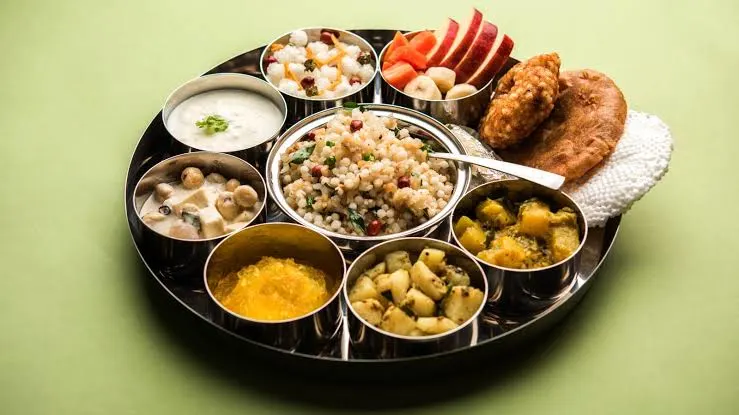
Navratri/Vrat Diet Chart — What to Eat and Avoid During Fasting
Navratri is one of the most widely observed fasting periods in India, with millions following a nine-day vrat dedicated to Goddess Durga. But fasting the right way matters just as much as fasting itself. A poorly planned vrat diet chart can leave you feeling weak, bloated, or low on energy, while a well-structured one keeps you nourished, focused, and free from cravings. This guide breaks down exactly what to eat and avoid during Navratri fasting, along with a simple day-wise meal plan you can follow.
Why a Proper Vrat Diet Chart Matters
Most people treat Navratri fasting as skipping regular meals and snacking on fried food instead. This is one of the biggest mistakes. A vrat is meant to give your digestive system rest and reset your eating habits not overload it with oil-heavy sabudana vada and namkeen. Following a structured vrat diet chart ensures you get enough protein, fiber, and hydration even while restricting grains and regular salt.
What to Eat During Navratri Fast
1. Fruits
Fresh fruits like banana, apple, papaya, pomegranate, and melons are excellent for sustained energy and hydration. They are easy to digest and keep blood sugar stable through the day.
2. Dairy Products
Milk, curd (dahi), paneer, and buttermilk (chaas) are allowed and provide much-needed protein and calcium. Curd also helps keep your gut healthy during the fasting period.
3. Farali Flours and Grains
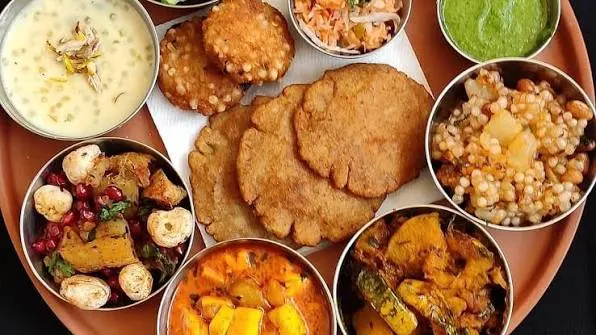
Foods made from kuttu (buckwheat), singhara (water chestnut), and rajgira (amaranth) flour are staples during vrat. Use them to make rotis, pooris, or dosas — just avoid deep frying wherever possible.
4. Sabudana (Sago)
Sabudana khichdi is a Navratri classic. Choose the roasted, lightly oiled version over deep-fried vadas for a lighter, more digestible meal.
5. Dry Fruits and Nuts
Almonds, cashews, walnuts, and raisins are great for quick energy and healthy fats. A small handful mid-morning or evening curbs hunger without needing a full meal.
6. Sendha Namak (Rock Salt)
Regular table salt is avoided during vrat. Rock salt is used instead in all farali dishes.
7. Vegetables
Potatoes, sweet potatoes, arbi (colocasia), pumpkin, and bottle gourd are commonly used. They can be boiled, roasted, or lightly sautéed.
What to Avoid During Navratri Fast
- Regular grains — wheat, rice, and rice-based products
- Table salt — only sendha namak is permitted
- Onion and garlic — considered tamasic and avoided in most vrat traditions
- Deep-fried, oily food — sabudana vada, kuttu puri in excess oil; these cause bloating and sluggishness
- Packaged and processed farali snacks — many contain hidden preservatives and excess salt
- Alcohol, non-vegetarian food, and regular tea/coffee in excess — these disrupt the purpose of fasting and can dehydrate the body
Healthy Tips for Navratri Fasting
- Stay hydrated — drink at least 8-10 glasses of water, coconut water, or buttermilk through the day.
- Don't skip meals entirely — eat small, frequent meals instead of one large one to avoid acidity and fatigue.
- Limit fried food — opt for roasted or boiled versions of farali snacks wherever possible.
- Avoid excess caffeine — too much tea or coffee on an empty stomach can cause acidity during fasting.
- Listen to your body — if you have diabetes, low blood pressure, or are pregnant, consult a doctor before undertaking a strict fast.
Conclusion
A well-planned Navratri vrat diet chart lets you observe your fast comfortably without compromising your health. Focus on fruits, dairy, farali grains, and nuts, while steering clear of deep-fried and processed snacks. With the right balance, you can complete all nine days of Navratri feeling light, energetic, and spiritually fulfilled.
Disclaimer: This article is for general informational purposes only and is not a substitute for professional medical or nutritional advice. Please consult a doctor or dietitian before making significant changes to your diet, especially if you have an existing health condition.
FAQs
Can I eat rice or wheat during Navratri fasting?
No, regular grains like rice and wheat are avoided during the vrat. Instead, farali flours like kuttu (buckwheat), singhara (water chestnut), and rajgira (amaranth) are used to make rotis, pooris, or dosas.
Which salt is used during Navratri fasting?
Regular table salt is not consumed during vrat. Sendha namak (rock salt) is used instead in all farali dishes.
Is sabudana khichdi healthy during fasting?
Yes, if it's lightly oiled and roasted rather than deep-fried. Sabudana provides quick energy, but eating too much can cause bloating, so it's best paired with curd or vegetables for balance.
What should diabetics or people with low BP keep in mind while fasting?
They should avoid strict fasting without medical advice, eat small frequent meals to prevent blood sugar drops, stay well hydrated, and consult a doctor before undertaking a full nine-day vrat.
Can I drink tea or coffee during Navratri fast?
Yes, in moderation. However, excess tea or coffee on an empty stomach can cause acidity and dehydration, so it's better to balance it with water, coconut water, or buttermilk through the day.