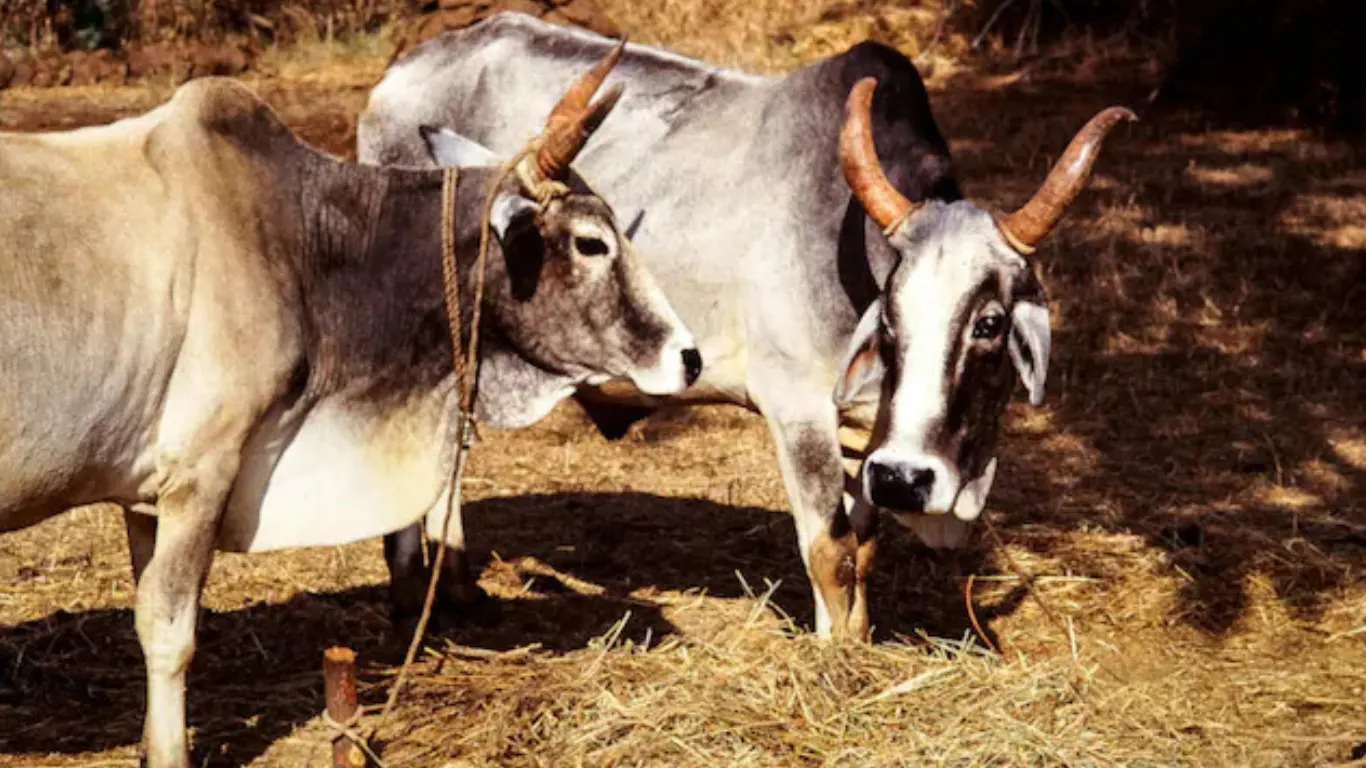
Bengal's BJP Government Bans Public Animal Slaughter , What the Fitness Certificate Rule Really Means for You
West Bengal just changed something that has been quietly ignored for decades. And the people most affected by it may not even know yet.
The Bharatiya Janata Party government in West Bengal made it mandatory for persons to obtain a certificate before slaughtering animals such as buffaloes, cows, and bulls. That order, issued on May 14, 2025, ends a long stretch of informal arrangements, street-side slaughter, and largely unenforced rules that many had grown used to treating as background noise.
This is not a new law invented from scratch. It is the strict enforcement of a law that already existed. That distinction matters more than it might seem.
Why Bengal's Animal Slaughter Ban Is Bigger Than a Policy Announcement
West Bengal has had the West Bengal Animal Slaughter Control Act on its books since 1950. For decades, it existed more on paper than in practice. The new BJP government, led by Chief Minister Suvendu Adhikari after the party's sweeping win of 206 seats in the 2026 Assembly elections, is now making clear it intends to actually use what the law already provides.
That is the quiet urgency here. Nothing was technically illegal before this. But enforcement had become so thin that public slaughter of cattle had become routine in parts of the state. Markets, roadsides, festival grounds , all used without formal sanction, without veterinary oversight, without documentation of any kind.
The government is now saying: that ends.
Read More: WhatsApp Ending Support for Older Android Phones in September 2026: Is Your Device on the List?
What the Fitness Certificate Rule Actually Requires
The certificate, which can be issued by the chairperson of a municipal body or a sarpanch, along with a government veterinary doctor, must confirm that the animals are suitable for slaughter. The certificate must confirm that the animal is more than 14 years old and no longer useful for work or breeding, or is permanently incapacitated because of age, injury, deformity, or an incurable disease.
Think of it this way. If you own a cattle animal and want to slaughter it, you cannot simply decide that on your own anymore. You need a qualified veterinary doctor to examine the animal. A local elected official must co-sign. And the animal must meet specific criteria , old age, permanent injury, or incurable illness , before approval is granted.
This is not about banning the consumption of beef. West Bengal has never had a blanket beef ban. West Bengal permits the slaughter of cows over the age of 14 years. That position has not changed. What has changed is the gatekeeping around it.
Where Slaughter Can Legally Happen Now
The animals must be slaughtered only at a municipal slaughterhouse or a place designated by the administration.
Public slaughter , which means any slaughter in the open, on roadsides, in markets, in front of residential areas , is now explicitly banned. The act of killing must happen inside a sanctioned facility. This is both a public hygiene regulation and a law-and-order measure.
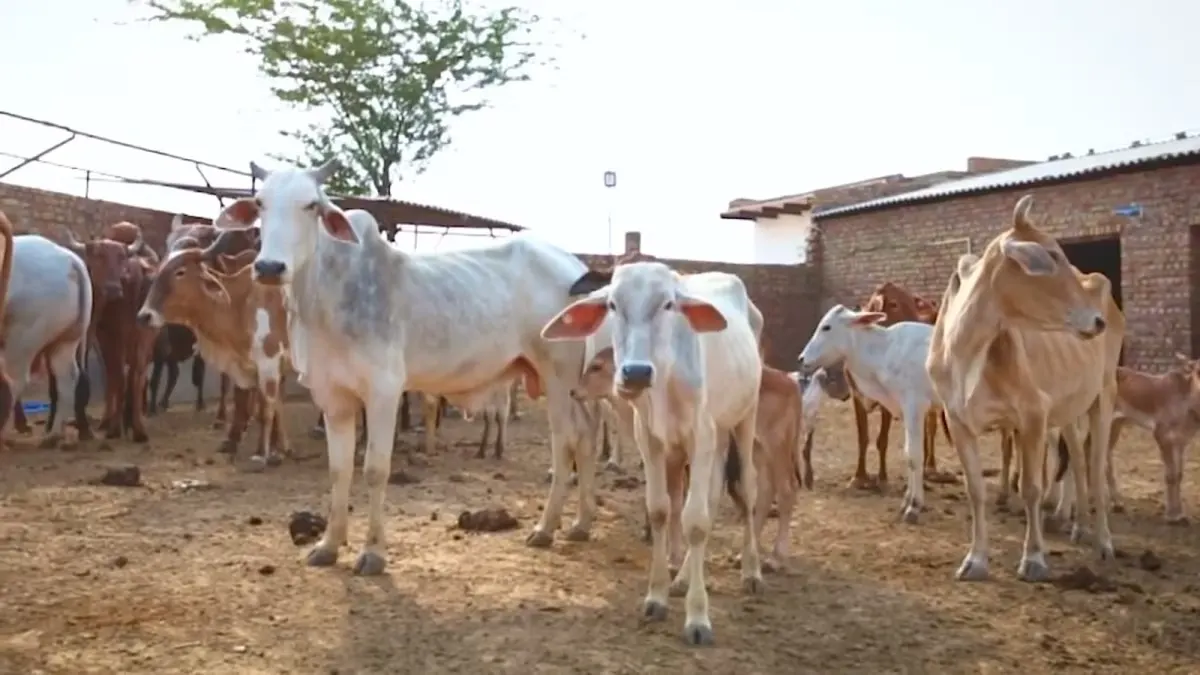
Unauthorised slaughterhouses, of which there were reportedly many operating informally across the state, now face direct action.
Police stations across the state have been alerted. Inspecting officials acting on enforcement orders are not to be obstructed , the government made that point specifically, which tells you something about what they were anticipating.
What Happens If Someone Violates the Order
The violation of the West Bengal Animal Slaughter Control Act, 1950, could lead to six months in jail, or to a fine extending up to Rs 1,000, or both.
The fine amount, honestly, is not large by today's standards. But the jail term is real. And the signal the state government is sending , that it will pursue cases, that inspections will happen, that violations will be registered , is perhaps more significant than the monetary penalty itself.
In the event of refusal to issue the fitness certificate, a person can appeal to the State Government within 15 days of receiving the communication regarding the rejection of the certificate. That appeal window is short. Critics have already raised concerns that 15 days may not be enough time for rural farmers or low-income cattle owners to navigate bureaucratic processes.
What This Means in Practice , For Farmers, Traders, and Consumers
For farmers who depend on ageing cattle, this introduces a new layer of documentation. An animal that can no longer work or breed now needs official certification before it can be sent for slaughter , even if the decision makes complete agricultural sense to the farmer. The paperwork requires coordinating between a veterinary doctor and a local body official, which in rural Bengal can mean significant delays.
For traders and slaughterhouse operators, informal arrangements are no longer viable. The days of operating outside designated municipal facilities without paperwork are, at least on paper, over. Whether enforcement reaches every corner of the state is a different question , but the legal exposure is now clear.
For consumers, the direct impact is likely indirect. Supply chains to meat markets may tighten in the short term. Prices could shift. But the ban on public slaughter , messy, visible, and often distressing for bystanders , is something that many urban residents had long raised concerns about, regardless of political affiliation.
The Larger Context: Bengal's Political Reset
This order is one of many early moves by the Adhikari government. The Chief Minister Suvendu Adhikari-led West Bengal government has taken a series of actions after ending 15 years of Mamata Banerjee's rule. Other steps included directives on loudspeaker regulations, action on illegal cattle trade, and reopening of post-poll violence cases from 2021.
The animal slaughter order fits a pattern of signalling administrative seriousness after a long period of what the new government characterises as selective enforcement.
The 1950 law had teeth all along. The BJP government is now biting.
Read More: Modi in Gangtok: What Sikkim's 50 Years of Statehood Really Means for India's Smallest State
Common Misunderstandings Around This Order
Many people reading the headlines assume this is a total ban on beef consumption in Bengal. It is not. The law targets public slaughter and unregulated slaughterhouses. It adds certification requirements for animals above 14 years of age. Consumption itself is not criminalised.
Another misunderstanding is that this is a sudden new restriction invented by the BJP. The West Bengal Animal Slaughter Control Act, 1950, has existed for over 75 years. The new government is enforcing existing law , something the previous administration was widely criticised for not doing consistently.
A Quiet But Significant Shift
There is something worth sitting with here. A law passed in 1950 is being enforced in 2025. That gap , 75 years , tells its own story about how governance works, how political incentives shape enforcement, and how a change in government can sometimes mean not a change in law but a change in whether the law actually runs.
Whether this order achieves its intended goals will depend on implementation. Fitness certificates are only as good as the veterinary infrastructure that issues them. Designated slaughterhouses are only as effective as the political will to shut down those operating outside them.
The order is real. What remains to be seen is how real the enforcement will be, day to day, in a state as complex as West Bengal.
Disclaimer: This article is based on information available across the web. Parchar Manch does not take responsibility for its complete accuracy, as the content could not be fully verified.
Read More: Sanjay Dutt Returns as Ballu in Khal Nayak Sequel
FAQs
What is the Bengal animal slaughter fitness certificate?
It is a mandatory document that must be obtained before slaughtering bovine animals such as cows, buffaloes, or bulls in West Bengal. It is issued by a municipal chairperson or sarpanch along with a government veterinary doctor and confirms that the animal is over 14 years old and unfit for work or breeding.
Is beef consumption banned in West Bengal now?
No. West Bengal has not banned beef consumption. The new order bans public slaughter and mandates fitness certificates for bovine animals before slaughter. The act of eating beef is not criminalised under this order.
What is the punishment for violating the slaughter ban in Bengal?
Violation of the West Bengal Animal Slaughter Control Act, 1950, can result in up to six months in jail, a fine of up to Rs 1,000, or both.
Where can animals now legally be slaughtered in Bengal?
Only in municipal slaughterhouses or places specifically designated by the local administration. Open or roadside slaughter is now prohibited.
What if the fitness certificate application is rejected?
The applicant can appeal to the State Government within 15 days of receiving the rejection notice.
Which law does this order enforce?
The West Bengal Animal Slaughter Control Act, 1950, which has been on the books for over 75 years, was widely considered under-enforced by previous administrations.