New Flight Seat Rules 2026: 60% Free Seats & Family Seating Guide
The air feels different lately when you open a booking app. There’s this persistent, low-grade anxiety that "hidden fee" dread. You find a cheap ticket, you’re happy for a split second, and then the seat map appears. It’s a sea of colors, mostly expensive ones. But something is shifting. The New airline seat selection rules 2026 are finally stepping in to stop that frantic clicking.
I was looking at a flight to Delhi yesterday and thinking why should a father have to pay extra just to make sure his eight-year-old isn't sitting three rows back next to a stranger? It felt like a glitch in the system, or maybe just greed. But now, the DGCA family seating guidelines are making things much more human. It’s about time the logic of the wallet met the logic of the heart.
The 60% Rule: Taking Back the Cabin
For a long time, it felt like airlines were trying to monetize every square inch of oxygen. You’d go to pick a seat and every single one had a price tag attached to it. However, the Aviation ministry new guidelines have dropped a bit of a hammer on that practice. The most significant change is the 60 percent free seats mandate. It’s a huge number when you really think about it.
More than half the plane now has to be available without those annoying "convenience fees" that feel like anything but a convenience. This is the core of the New airline seat selection rules 2026, ensuring that the base fare actually buys you a place to sit, not just the right to stand in the aisle.
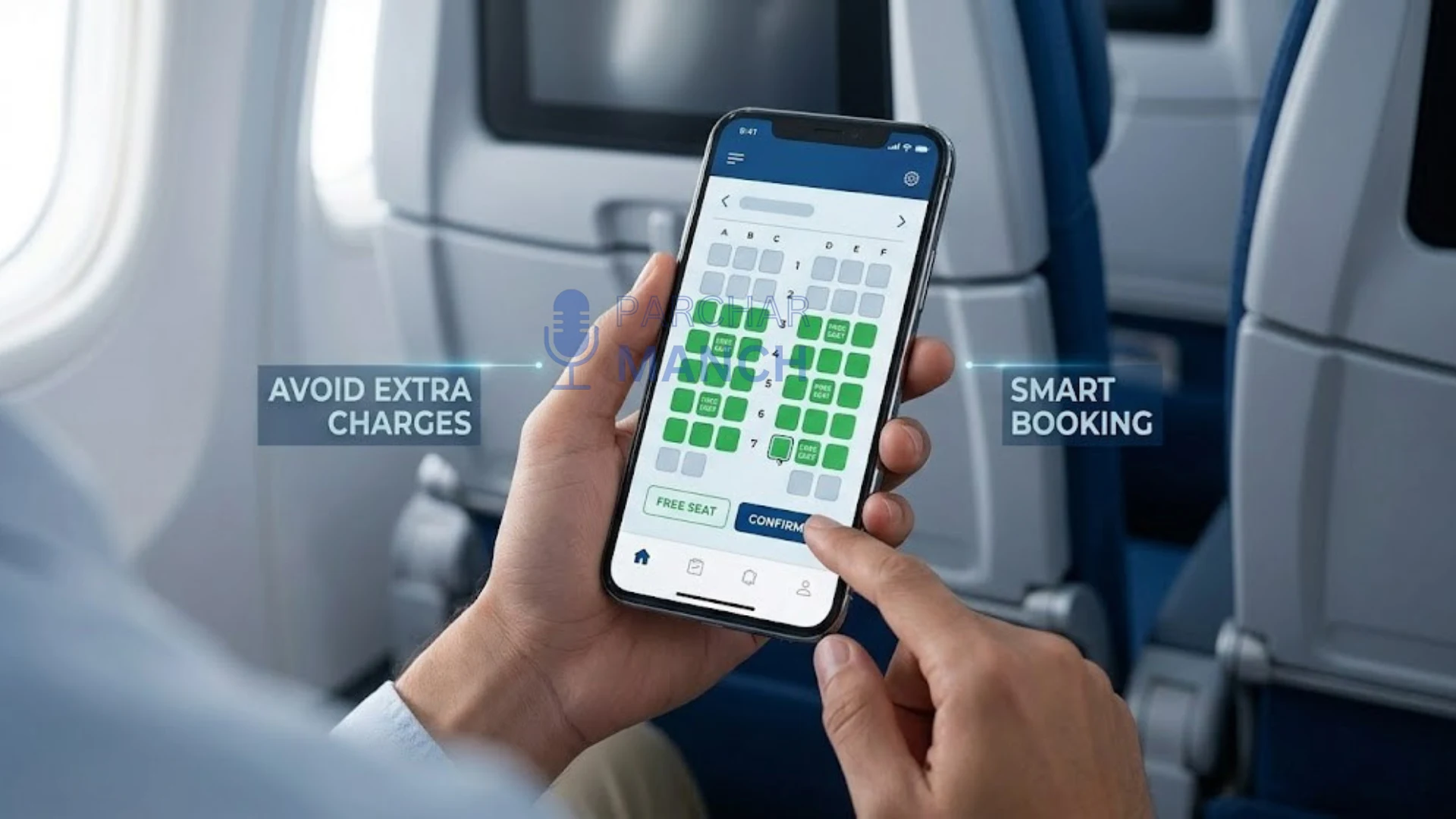
When you go to book now, you’ll notice the map looks less like a minefield. This is how you find Free seat selection flights India by looking for the unshaded areas that used to be blocked off for "preferred" members. I remember no, wait I think it was last summer, I ended up in a middle seat in the very last row because I refused to pay 400 rupees for a window.
Now, those middle and back-row spots, and even many in the front, fall under this 60% quota. It’s a bit of a relief, like a bitter calm settling over the frantic booking process. You shouldn't have to win the lottery to sit down for free.
Families Belong Together: The Same PNR Rule
There is something inherently stressful about traveling with kids. The packing, the timing, the snacks and then the seat map. Before these updates, the system would often scatter a family across the cabin like seeds in the wind.
But the Same PNR adjacent seating rule is changing the rhythm of family travel. If you are on the same booking reference, the airline is now obligated to try really try to keep you together. It’s part of the DGCA passenger rights 2026 to ensure that children aren't left isolated. It's more than just a rule; it’s a realization that a six-year-old shouldn't be navigating a two-hour flight alone between two sleeping businessmen.
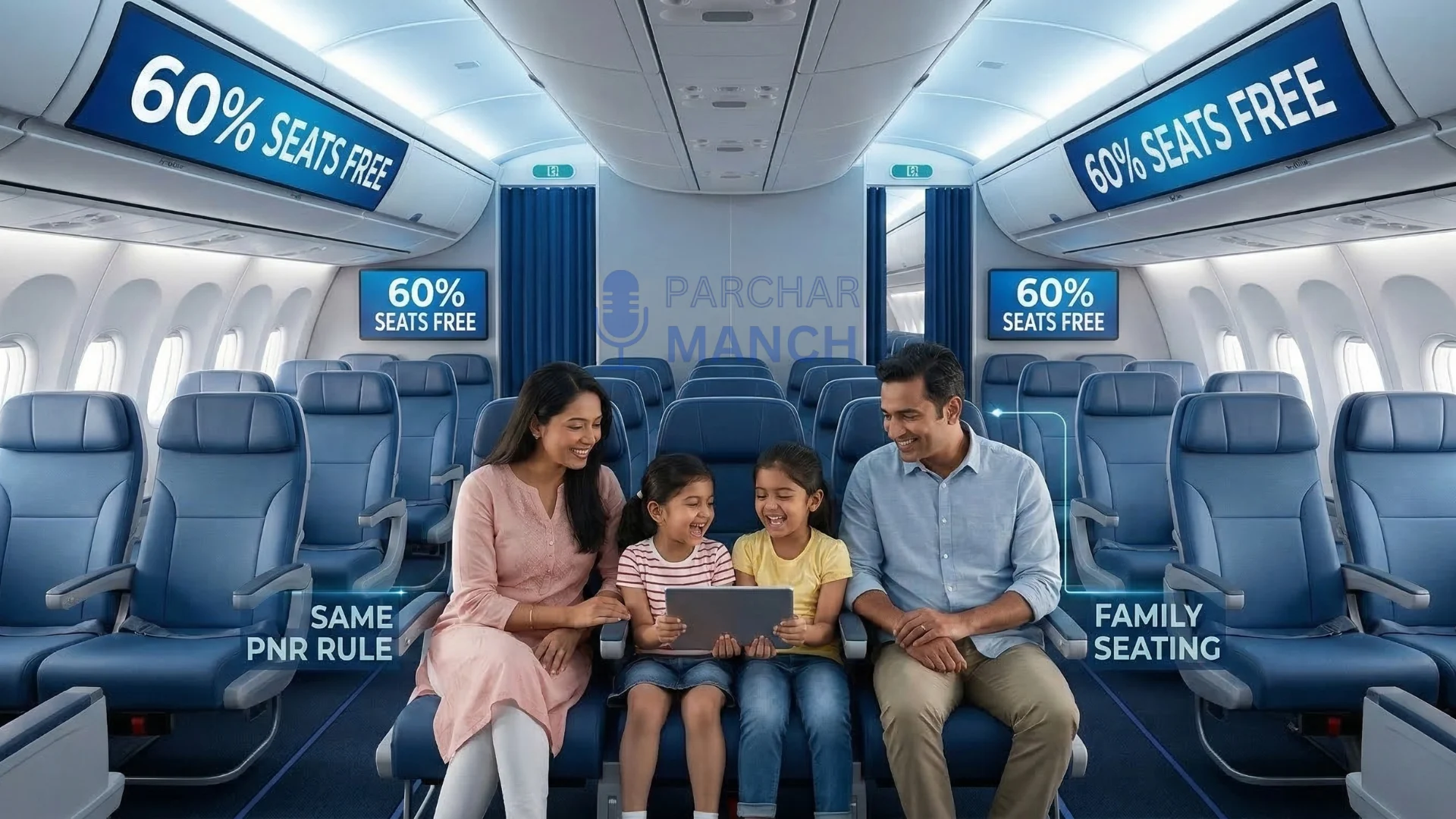
The Child seat selection policy has been tightened to reflect this. If you’re traveling with a minor, the airline can’t just shrug its shoulders and say "sorry, pay up." They have to prioritize keeping that unit together. This is a massive win for anyone trying to avoid extra charges on flight booking. You shouldn't be penalized for being a parent. I’ve seen mothers nearly in tears at the gate, bartering with strangers to swap seats.
These New airline seat selection rules 2026 are designed to end that "gate-side begging" culture. It’s about dignity, really. Or maybe just common sense finally catching up to the industry.
Cracking the Code: How to Avoid Airline Seat Fees
Even with the new rules, airlines are businesses they’ll still try to highlight the "extra legroom" or "prime" seats. If you want to know how to avoid airline seat fees, you have to be a bit more intentional. First, book early. Even with the 60 percent free seats mandate, the "good" free seats go fast.
If you wait until four hours before the flight, you might still get a free seat, but it’ll be the one next to the lavatory that doesn't recline. The New airline seat selection rules 2026 give you the right to a seat, but they don't guarantee the best seat if you’re late to the party.
Another trick is checking the web check-in window the second it opens. Usually, this is 48 to 24 hours before departure. This is when the Free seat selection flights India inventory is most visible.
If the free quota hasn't been filled, the system has to release those seats. It’s like a game of musical chairs, but now there are actually enough chairs for everyone.
By following the DGCA family seating guidelines, you ensure that even if you don't pay a paisa extra, your family stays in one piece. For more deep dives into these travel hacks and real-time updates on aviation, you should definitely check out Parcharmanch, where we break down these complex policies into things you can actually use. It’s where the "noobs" become pros.
The Power of the DGCA Guidelines
The DGCA passenger rights 2026 aren't just suggestions. They are mandates. If an airline tries to force you into a paid seat because "no free seats are left" (when they haven't met their 60% quota), you have the right to complain.
This is the teeth behind the Aviation ministry new guidelines. It’s a shift in power. For years, the passenger was at the mercy of the algorithm. Now, the algorithm has to answer to the law.
- Transparency at Booking: Airlines must clearly show which seats are free and which are paid from the very first screen. No more hiding the free ones until the final payment page.
- Automatic Allocation: If you don't choose a seat, the Same PNR adjacent seating rule should ideally kick in during auto-allocation to keep families together.
- No Forced Fees: You cannot be forced to pay a seat fee just to complete your check-in process. There must always be a "skip" or "free" option available if the quota is met.
- Child Protection: Under the Child seat selection policy, children under 12 must be seated with at least one adult from their group without extra costs whenever possible.
It feels like a quiet thunder, this change. It’s not a loud explosion, but it’s a rumbling that changes the whole landscape of how we fly. We’re moving away from the "unbundling" nightmare where even the air you breathe feels like an add-on.
Why These Rules Matter Now
You might wonder why the New airline seat selection rules 2026 are coming out now. It’s because the complaints reached a boiling point. The Aviation ministry new guidelines are a direct response to thousands of passengers feeling squeezed.
We’ve all been there trying to avoid extra charges on flight booking while the timer on the website counts down, making us panic. It was a high-pressure sales tactic that had no place in a public service like transportation.
The 60 percent free seats mandate is a return to a more honest way of traveling. It recognizes that flying isn't just a luxury for the ultra-rich who don't mind a 900-rupee seat fee; it’s a necessity for students, families, and workers.
When you look for Free seat selection flights India, you’re looking for fairness. The DGCA family seating guidelines are the heart of this fairness. They recognize the human element of travel the need to be near loved one, the need to feel secure.
Navigating the New Map
When you open your next booking, don't just click through in a hurry. Look for the highlights. The New airline seat selection rules 2026 mean that you have more options than you think. If you see a seat map that is 90% paid, something is wrong.
You should remember your DGCA passenger rights 2026. The Same PNR adjacent seating rule is your shield against being separated from your travel partners. If you’re traveling alone, the 60 percent free seats mandate ensures you aren't taxed for just existing on the plane.
And if you’re with kids, the Child seat selection policy is your best friend. It’s about being an informed traveler. Use these tools. Don't let the "auto-assign" button scare you into paying for a "preferred" seat that is exactly the same size as the free one. It’s all the same aluminum tube, after all.
Conclusion
The landscape of Indian aviation is undergoing a much-needed transformation. With the introduction of the New airline seat selection rules 2026, the era of being forced into paying for every single seat on a plane is finally coming to an end.
These Aviation ministry new guidelines prioritize the passenger over the profit margin, ensuring that the 60 percent free seats mandate is respected across all domestic carriers. For families, the DGCA family seating guidelines and the Same PNR adjacent seating rule provide a sense of security that was previously missing, making air travel a more inclusive and less stressful experience.
By understanding your DGCA passenger rights 2026 and knowing how to avoid airline seat fees, you can save significant money on every trip. Whether it is the revamped Child seat selection policy or the abundance of Free seat selection flights India, the focus is clearly on making flying simple again.
As we move forward, these changes will likely become the gold standard, proving that travel should be about the journey and the people you're with, not just the fees you can avoid. It’s a win for the common traveler, a win for families, and a necessary step toward a more transparent sky.
FAQs
What exactly is the 60 percent free seats mandate under the new 2026 rules?
The mandate requires all airlines to ensure that at least 60% of the total seats on any given flight are available for selection without any additional "seat selection" or "convenience" fees. This means that more than half the plane must be accessible to passengers at the base fare price, allowing travelers to choose their spots such as middle or back-row seats without hitting their budget.
How does the Same PNR adjacent seating rule help families traveling together?
This rule is designed to ensure that passengers booked under a single PNR (Passenger Name Record) are seated together by the airline's system whenever possible. It specifically aims to prevent families and groups from being scattered across the cabin, mandating that the airline's logic prioritizes keeping those on the same booking in adjacent or nearby seats without requiring them to pay extra "preferred" seating fees.
What should I do if an airline tries to charge me for a child's seat despite the Child seat selection policy?
Under the new Child seat selection policy and DGCA family seating guidelines, children under the age of 12 should be seated with at least one accompanying adult at no extra cost. If you are prompted to pay, you should point out these guidelines to the airline's customer service or at the check-in counter, as they are legally obligated to facilitate this seating arrangement as part of your DGCA passenger rights 2026.
Are there still ways to get "preferred" seats for free under the New airline seat selection rules 2026?
While the most desirable seats like extra-legroom rows may still carry a fee, you can find many "good" seats for free by booking early and checking the map as soon as the 60 percent free seats mandate inventory is released. Additionally, during web check-in, if the paid seats remain unbooked, they are often released for free to ensure the flight is balanced, which is a great way to avoid extra charges on flight booking.
Do these new DGCA passenger rights 2026 apply to all domestic and international flights?
The current Aviation ministry new guidelines primarily focus on domestic flights within India and flights operated by Indian carriers. While international airlines have their own policies, any travel originating within India and governed by the DGCA must adhere to these rules regarding transparency, the Same PNR adjacent seating rule, and ensuring that a significant portion of the cabin remains free for selection.