Operation Tiger Explained: How Shiv Sena (UBT) Lost Six MPs and What It Means for Maharashtra Politics
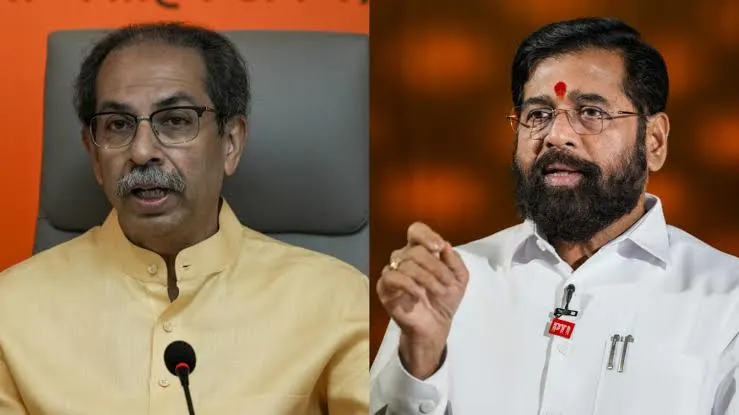
It has a name that sounds more like a military mission than a political manoeuvre. But Operation Tiger is very much a political operation , one that just delivered one of the most significant ruptures Maharashtra has seen since the original Shiv Sena split in 2022.
On June 17, 2026, six of the nine Lok Sabha MPs belonging to the Uddhav Thackeray-led Shiv Sena (UBT) skipped a crucial parliamentary party meeting despite a strict whip mandating their attendance. Those six absent MPs were Sanjay Dina Patil, Sanjay Deshmukh, Sanjay (Bandu) Jadhav, Omraje Nimbalkar, Bhausaheb Wakchaure, and Nagesh Patil Ashtikar. That absence was not an accident. It was the visible result of a meticulously planned operation by the Eknath Shinde-led Shiv Sena.
Why Operation Tiger Matters Beyond Maharashtra
The rebel lawmakers have already approached Lok Sabha Speaker Om Birla seeking recognition as a separate parliamentary group, a move that could facilitate their eventual merger with the Shinde-led Shiv Sena. That procedural step is not a formality. It is the legal architecture that makes a political split stick.
Under India's anti-defection law, a group of MPs cannot simply walk away from their parent party without consequences , unless they represent at least two-thirds of that party's parliamentary strength. The Sena (UBT) has nine Lok Sabha members, and the rebel bloc needs at least six MPs , two-thirds of the total strength , to avoid disqualification under the anti-defection law. Six MPs. Exactly the number that rebelled. That precision is the heart of Operation Tiger.
What Operation Tiger Actually Is
Think of it like a chess game where one side quietly moves six pieces into position while the other side is still debating strategy. The Shinde faction identified MPs within the Thackeray camp who were ideologically uncomfortable or politically alienated, cultivated those relationships over time, coordinated a simultaneous act of defiance, and then used the constitutional two-thirds threshold to make the split legally protected.
The dissenting lawmakers passed an internal resolution detailing ideological differences as the driving force behind their exit. The resolution states that the leadership had drifted significantly from the original Hindutva ideology established by party founder Balasaheb Thackeray. Whether one believes that stated reason or not, it creates a documented paper trail , important for any subsequent Speaker or court proceeding.
The resolution explicitly notes growing anxiety within the rank and file regarding a potential full-scale merger of Shiv Sena (UBT) into the Congress party. The MPs referenced recent statements by senior leader Sanjay Raut suggesting that regional parties like the Trinamool Congress should merge with Congress, amplifying fears that a similar fate awaited the Thackeray group.
The Reaction: Confident Silence from the Shinde Camp
Maharashtra Chief Minister Devendra Fadnavis, when asked about the operation's outcome, was almost deliberately understated. He said the operation had been successful, and the body is in very good health. Eknath Shinde was equally composed, saying he never leaves an operation incomplete.
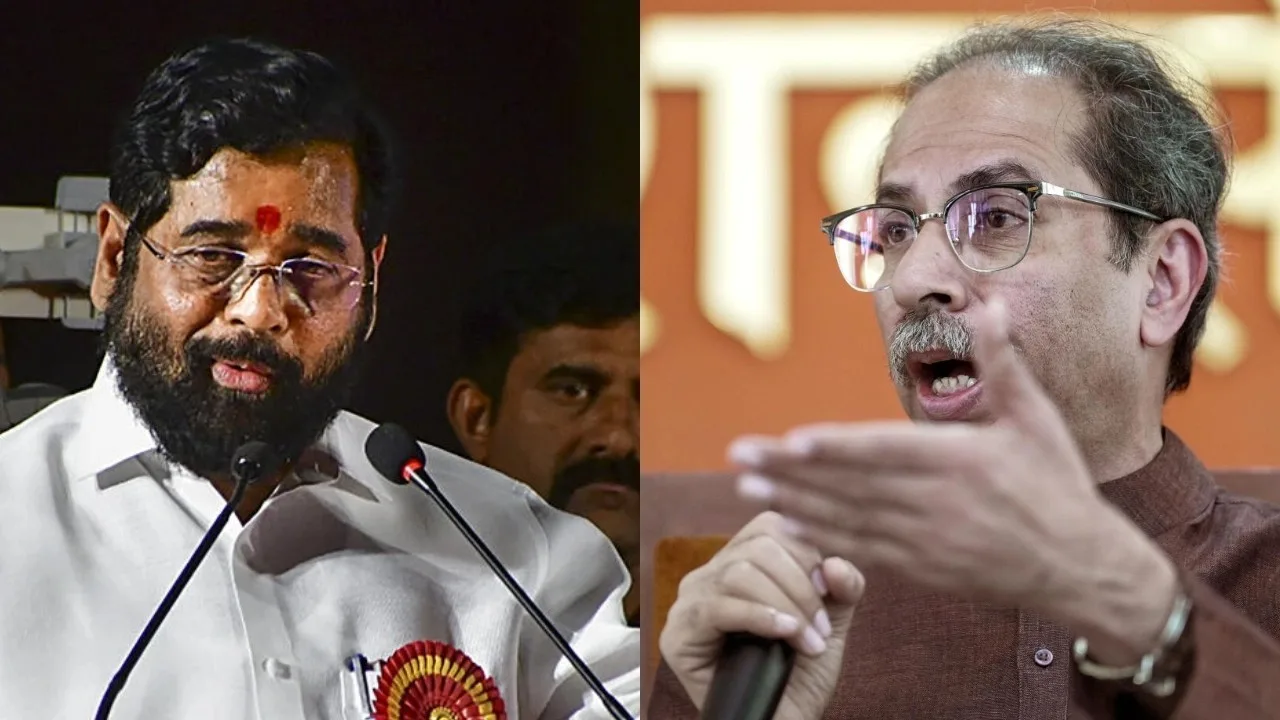
Union Home Minister Amit Shah backed Shinde publicly, declaring that there is now only one Shiv Sena, asserting that the days of referring to the Shinde camp as a separate faction were over. That statement from the country's Home Minister carries considerable weight , it signals that the BJP-led central government views the Shinde faction as the legitimate inheritor of the Shiv Sena name and legacy.
The UBT Response: Show-Cause Notices and Disqualification Petitions
The UBT leadership initiated disciplinary action by issuing show-cause notices to the six MPs. If their responses are deemed unsatisfactory, the party is expected to seek their disqualification under the anti-defection law. However, that path is almost certainly blocked. Since the rebel group constitutes exactly two-thirds of the UBT's Lok Sabha strength, the disqualification route is legally complicated, if not entirely shut.
Security has been enhanced outside the residences of the rebel MPs, with the Maharashtra Home Department directing additional protection and intelligence monitoring. The Y-plus security cover granted after MP Sanjay Raut's public remarks adds another layer of political drama to what is already a fast-moving situation.
Read More: iPhone 18 Pro September 2026 Launch: What Apple Is Planning and Why This One Feels Different
What Happens Next
The formal merger of the six MPs into the Shinde-led Shiv Sena is the next expected milestone. Once that happens, the Maharashtra political realignment becomes institutionally complete at the parliamentary level. The Thackeray faction, which came into the 2024 elections as part of the INDIA bloc's Maha Vikas Aghadi, now faces a parliamentary presence reduced to three Lok Sabha MPs , a rump that will struggle to assert itself in the House without the numbers to matter.
Closing Thoughts
Operations like this one do not happen overnight. They require patience, coordination, legal awareness, and a clear reading of which MPs are reachable. The Shinde camp demonstrated all four. Whether you see Operation Tiger as a legitimate ideological correction or a ruthless political manoeuvre, the mechanics are worth understanding , because they reveal how Indian parliamentary democracy actually works beneath the surface of speeches and rallies.
Three MPs remain loyal to Uddhav Thackeray. Six are on their way out. And a party that was built on the streets of Mumbai by Balasaheb Thackeray is now, once again, mid-split in the corridors of Parliament.
Read More: Luis Romo's Goal Sends Mexico Into Round of 32 at 2026 FIFA World Cup
Disclaimer: This article is based on information available across the web. Parchar Manch does not take responsibility for its complete accuracy, as the content could not be fully verified.
FAQs
What is Operation Tiger in Indian politics?
Operation Tiger is the code name for the Eknath Shinde-led Shiv Sena's plan to engineer a split in the Uddhav Thackeray-led Shiv Sena (UBT) at the parliamentary level by flipping six of the party's nine Lok Sabha MPs.
Why does the two-thirds number matter in Operation Tiger?
Under India's anti-defection law, a group of legislators can merge with another party without facing disqualification only if they represent at least two-thirds of their original party's strength. Six out of nine is exactly two-thirds , which is why the rebel bloc needed precisely that number.
Who are the six rebel Shiv Sena (UBT) MPs?
The six MPs who defied the party whip are Sanjay Dina Patil, Sanjay Deshmukh, Sanjay (Bandu) Jadhav, Omraje Nimbalkar, Bhausaheb Wakchaure, and Nagesh Patil Ashtikar.
What reason did the rebel MPs give for leaving Shiv Sena (UBT)?
They cited ideological drift from Balasaheb Thackeray's original Hindutva principles and expressed concern that the UBT was moving toward a full merger with Congress, which they felt would erase the party's distinct regional identity.
What happens to the MPs who stayed with Uddhav Thackeray?
Three MPs , Anil Desai, Arvind Sawant, and Rajabhau Waje , along with Rajya Sabha MP Sanjay Raut, remain with the Thackeray faction. They now constitute a significantly weakened parliamentary group with limited leverage in the Lok Sabha.
Can Shiv Sena (UBT) get the rebel MPs disqualified?
Legally, it is very difficult. Since the rebels form the required two-thirds majority of the party's Lok Sabha strength, the anti-defection law's merger provision likely protects them from disqualification. The UBT has issued show-cause notices, but the constitutional threshold appears to shield the rebel bloc.