Pakistan Just Confirmed a US-Iran Peace Deal Text Is Ready. Here Is What That Actually Means
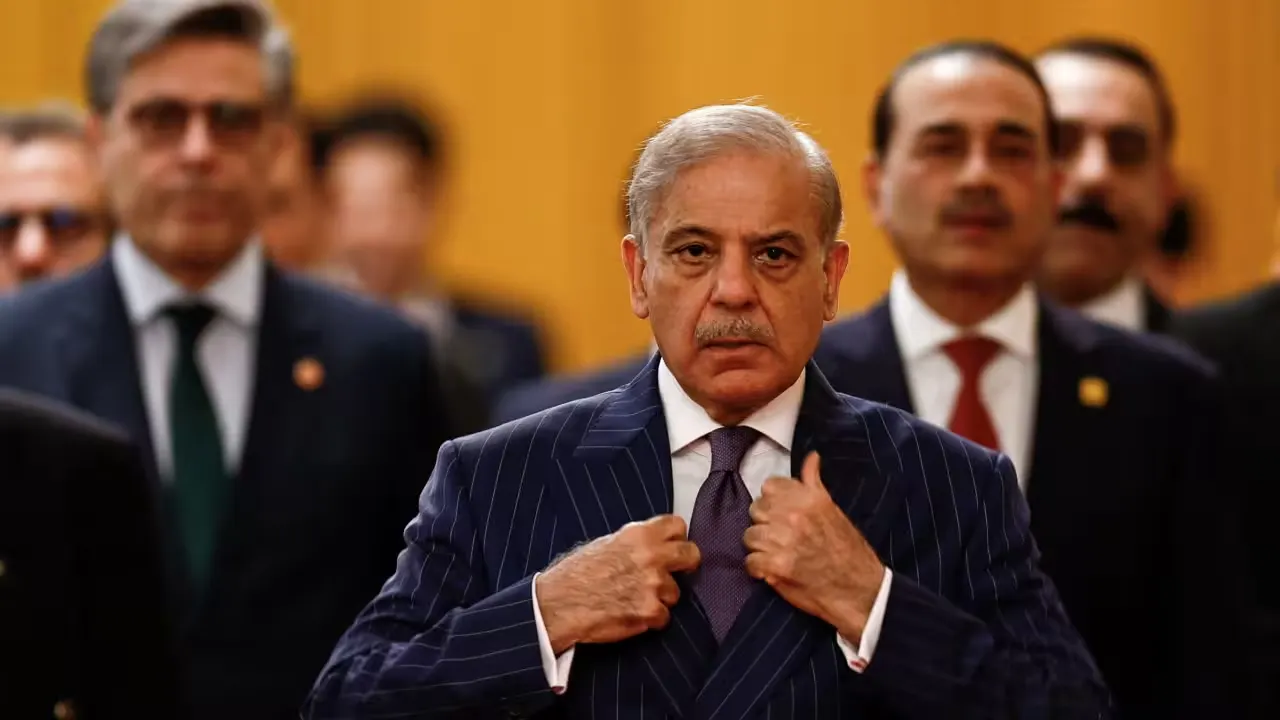
The world has been watching the Middle East with a kind of held breath for months now. Wars, ceasefires, broken deadlines, drone attacks, closed shipping lanes. And then, on June 12, 2026, Pakistani Prime Minister Shehbaz Sharif posted something that stopped the scroll: a final, agreed text for a US-Iran nuclear peace deal had been reached. Not almost. Not nearly. Reached.
That is a significant word to use. And Pakistan, the country that has been quietly threading this diplomatic needle for months, is the one saying it.
Pakistan's Role as US-Iran Mediator: How Islamabad Got Here
It is easy to forget that none of this started at a negotiating table. On February 28, 2026, the United States and Israel launched strikes against Iran, targeting its nuclear and ballistic missile programme and resulting in the death of Supreme Leader Ali Khamenei. Iran responded by doing something that rattled global markets instantly: closing the Strait of Hormuz.
Before this crisis, approximately 25% of the world's seaborne oil trade and 20% of global liquefied natural gas passed through that strait. When it closed, fuel prices surged, shipping companies halted operations, and the world got a very uncomfortable reminder of how connected everything really is.
Pakistan stepped in as mediator somewhere in the thick of all this. Quietly. Persistently. The talks addressed freedom of navigation through the Strait of Hormuz, Iran's nuclear and ballistic programme, reconstruction, sanctions, and a long-term peace framework. Not a small agenda. Not a weekend conversation.
Read More: YRF Spy Universe Just Changed Forever: Inside the Alpha Film Teaser with Alia Bhatt and Bobby Deol
What the Final Text of the Islamabad MOU Actually Contains
Here is where things get interesting, and slightly complicated.
A senior US official described the agreement as requiring Iran's uranium stockpile to be "destroyed and removed" and its nuclear programme to be dismantled. The official also confirmed that the Strait of Hormuz would be reopened and that Iran would end its funding of militant groups. Crucially, this is framed as a performance-based deal: Iran receives no economic benefits until it actually meets its obligations under the agreement.
Vice President JD Vance was direct about it: funds would not be released simply for signing a deal or attending a meeting.
That framing matters. It tells you the US negotiating position has not softened. Iran performs first; the economic relief follows.
Iran's Version, Trump's Version, and the Gap Between Them
This is where it gets layered.
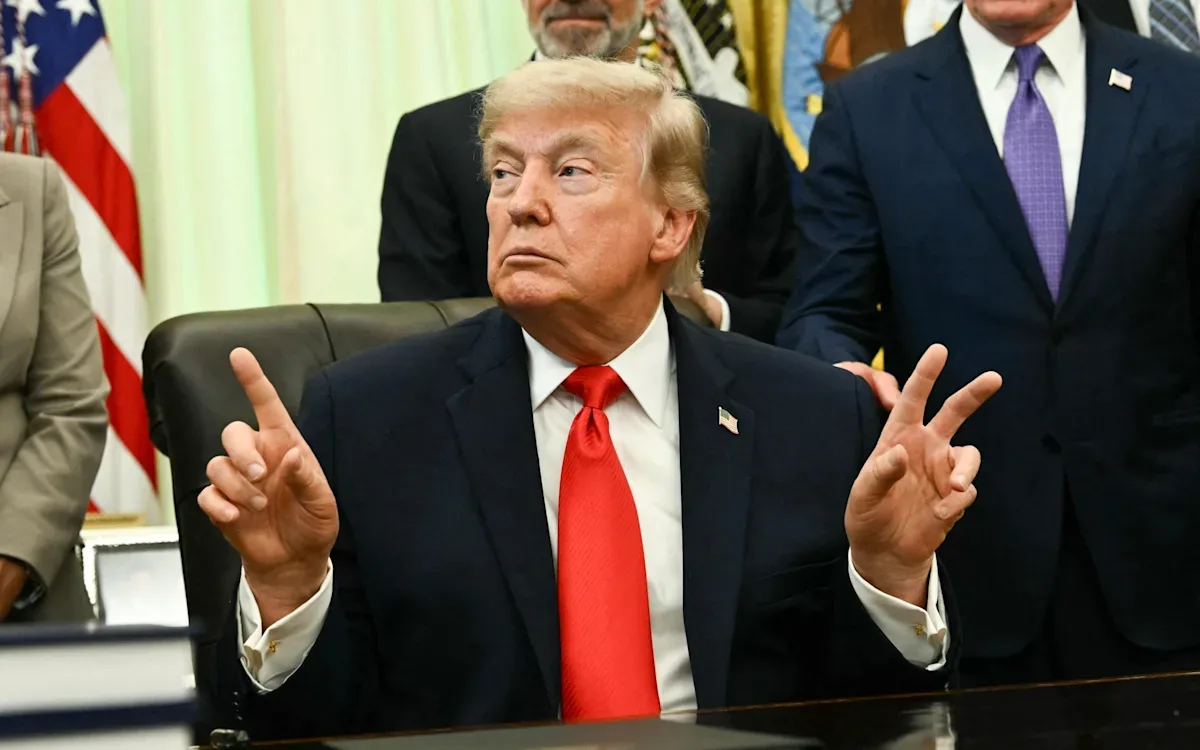
Iranian Foreign Minister Abbas Araghchi suggested the main text was nearly finalised but accused Washington of raising new demands at the last moment. Trump, for his part, pushed back on Iranian state media's description of the deal, saying it had "nothing to do" with what was agreed in writing.
So who do you believe? Both sides are claiming progress. Both are also hedging. That is fairly normal in high-stakes diplomacy.
Pakistani PM Shehbaz also tagged US President Donald Trump, VP JD Vance, Secretary of State Marco Rubio, Iranian President Masoud Pezeshkian, and Foreign Minister Araghchi in his post, essentially putting everyone on notice publicly. He also acknowledged an "incessant misinformation campaign" by those trying to derail the process.
What Happens Next: Signing, Geneva, and the 60-Day Window
A Western source indicated that if language could be agreed upon, the memorandum could be signed as early as Sunday, with Geneva seen as the most likely venue. The signing would reportedly be handled by VP Vance and Iran's parliament speaker, Mohammad Baqer Qalibaf.
Reports from May had referenced a tentative memorandum of understanding pending approvals from both leaderships, and by early June, diplomats were intensifying efforts to formalize a framework addressing uranium enrichment, sanctions, and regional security.
The deal, once signed, is expected to begin a 60-day period of detailed, formal negotiations on the permanent settlement.
Why This Matters Beyond the Middle East
If this deal holds and the Iran nuclear agreement moves to implementation, the immediate effects are tangible. Oil prices have already been moving toward their lowest levels since the conflict began, reflecting market optimism. Futures closed Friday near some of the lowest levels since the start of the US-Iran war, as the Trump administration expressed confidence about being on the verge of a deal that could reopen the Strait of Hormuz to oil tanker traffic.
For India, a country deeply dependent on Gulf oil and with significant diaspora populations across the region, a stable Middle East is not an abstract diplomatic win. It directly affects fuel costs, remittances, and trade routes.
The Quiet Weight of Pakistan's Diplomacy
There is something worth noting here that often gets buried under the headline. Pakistan, facing its own economic pressures and regional tensions, managed to position itself as the trusted channel between Washington and Tehran. That is not a small thing. Whatever the final outcome of this deal, Islamabad has demonstrated a kind of diplomatic utility that changes how it is perceived globally.
Sharif said it plainly: "Peace has never been as close as it is now."
That line carries weight. Not because diplomats never overstate things, but because the infrastructure of an actual agreement, a finalised text, named signatories, a likely venue and date, is now visible. The hard part is not drafting words. It is the delivery.
Disclaimer: This article is based on information available across the web. Parchar Manch does not take responsibility for its complete accuracy, as the content could not be fully verified.
FAQs
What is the US-Iran peace deal about?
The deal aims to end the ongoing US-Iran conflict, dismantle Iran's nuclear programme, reopen the Strait of Hormuz to global shipping, and lift sanctions on Iran in exchange for verified compliance.
Why is Pakistan mediating between the US and Iran?
Pakistan has longstanding diplomatic ties with both the United States and Iran, making it a trusted neutral party. It has been facilitating negotiations for several months as part of the broader peace process.
What is the Islamabad MOU?
The Islamabad Memorandum of Understanding is the working name for the peace framework being negotiated between the US and Iran, with Pakistan serving as the facilitating country.
Has Iran accepted all the deal terms?
Iran's foreign minister confirmed the deal was close but raised concerns about new demands from Washington. Both sides have acknowledged the text is largely finalised, but final positions were still being confirmed as of June 12, 2026.
What happens to Iran's nuclear programme under the deal?
According to a senior US official, Iran's uranium stockpile would be destroyed and removed, and its broader nuclear programme would be dismantled as part of the agreement.
When is the deal expected to be signed?
Reports suggest a signing could take place as early as June 15, 2026, possibly in Geneva, with VP Vance and Iran's parliament speaker named as the likely signatories.