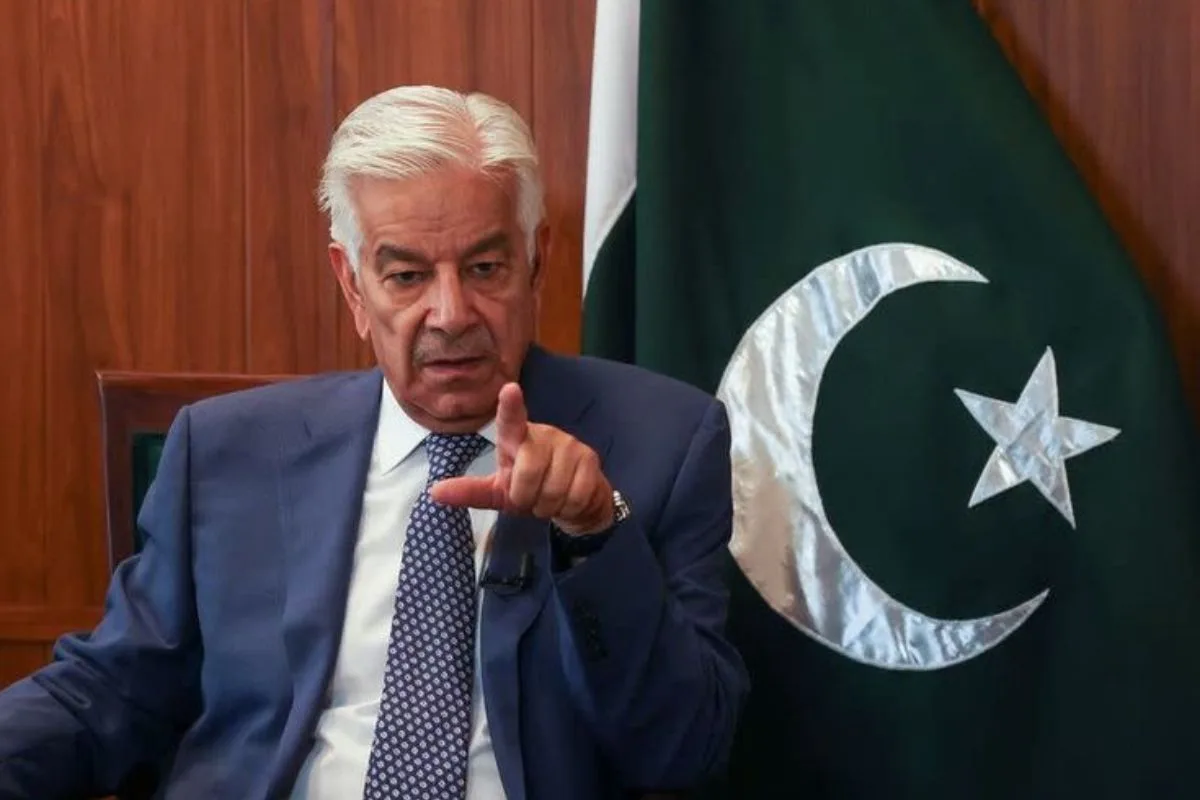
Pakistan's Defense Minister Khawaja Asif Slams Israel: Latest
The world is watching closely as the Middle East remains a focal point of global politics, and the latest ripples are coming from South Asia. When Pakistan's Defense Minister takes to a public platform to voice a sharp critique, the international community stops to listen.
This isn't just about a single tweet or a speech; it is about the long-standing, complex relationship or lack thereof between Pakistan and Israel. Recently, the rhetoric has reached a fever pitch, signaling a shift in how Pakistan intends to position itself on the global stage regarding the ongoing conflicts in the region.
The atmosphere feels heavy, charged with the kind of political energy that defines eras. Pakistan's Defense Minister recently expressed a level of outrage that feels deeply personal yet strictly strategic. It is a balancing act, really. On one hand, there is the internal pressure of a population that stands firmly with the Palestinian cause.
On the other, there is the delicate dance of international diplomacy. The latest Khawaja Asif statement on Israel has acted like a lightning rod, drawing in support from local circles while sparking intense debates in the corridors of power abroad. It is a moment of "bitter calm" before a potential diplomatic storm.
Understanding the Core of the Disagreement
To understand why Pakistan's Defense Minister is speaking out now, we have to look at the sheer scale of the humanitarian crisis. The words used are not soft. They are jagged.
They are meant to provoke thought and highlight suffering. The Lebanon genocide Khawaja Asif referenced in his recent communications points to a widening of the conflict that Pakistan finds unacceptable.
For many in the Pakistani government, the actions taken by the Israeli state are not just military maneuvers; they are seen as a fundamental violation of human rights that requires a global response.
Read More: Why Iran and Israel are at War: 2026 Conflict & Operation Epic Fury Explained
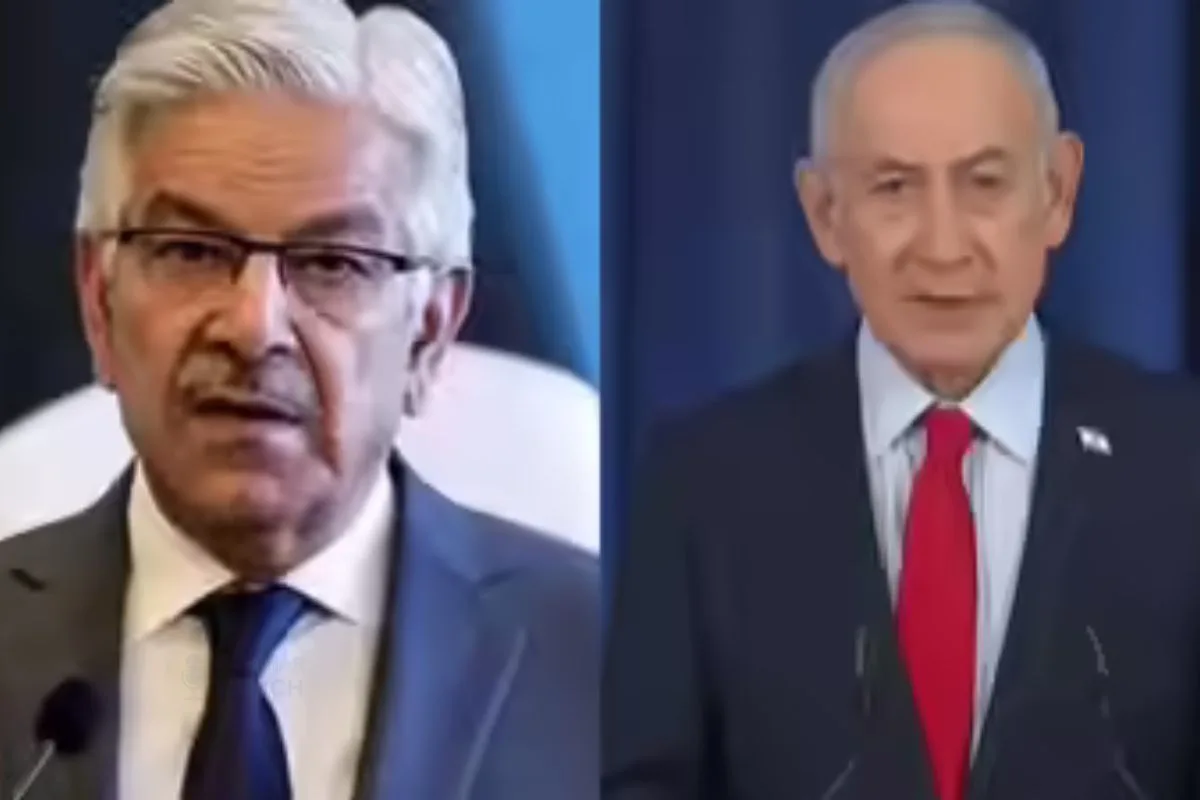
The narrative being built by Pakistan's Defense Minister focuses on the idea of accountability. In a world that often feels like it is governed by the "quiet thunder" of powerful nations, Pakistan is trying to raise its voice to represent the concerns of the Ummah.
This isn't just news; it’s a reflection of a national identity built on the pillars of anti-colonialism and religious solidarity. When you read the latest Pakistan Israel news 2026, you see a pattern of escalating verbal confrontations that mirror the physical escalations on the ground in the Levant.
- The historical refusal of Pakistan to recognize the state of Israel.
- The consistent support for a two-state solution based on pre-1967 borders.
- The role of Pakistan's Defense Minister in shaping the military's stance on regional security.
- The impact of digital diplomacy and how social media is changing the game.
The Power of a Digital Post
In the modern age, a single post can have more impact than a thousand-page white paper. The Defense Minister Khawaja Asif X post is a prime example of this. By using a platform that reaches millions instantly, the Minister bypassed traditional gatekeepers to deliver a message of defiance.
It was raw. It was immediate. It felt well, it felt like a mind trying to make sense of a tragedy in real-time. This digital strike was aimed at highlighting what Pakistan views as the disproportionate use of force.
People often wonder about the Israel reaction to Pakistan Minister and his bold claims. Typically, such statements are met with either a calculated silence or a sharp rebuttal from spokespeople. The back-and-forth creates a feedback loop that keeps the tension at a boiling point.
But for Pakistan's Defense Minister, the goal isn't necessarily to start a dialogue with Israel; it’s to solidify Pakistan’s role as a moral leader in the Muslim world.
For more updates on these developing stories, many people turn to platforms like Parchar Manch to stay informed about the shifting tides of international relations.
Read More: Iran-Israel War LIVE: Middle East Tensions & Global Stability
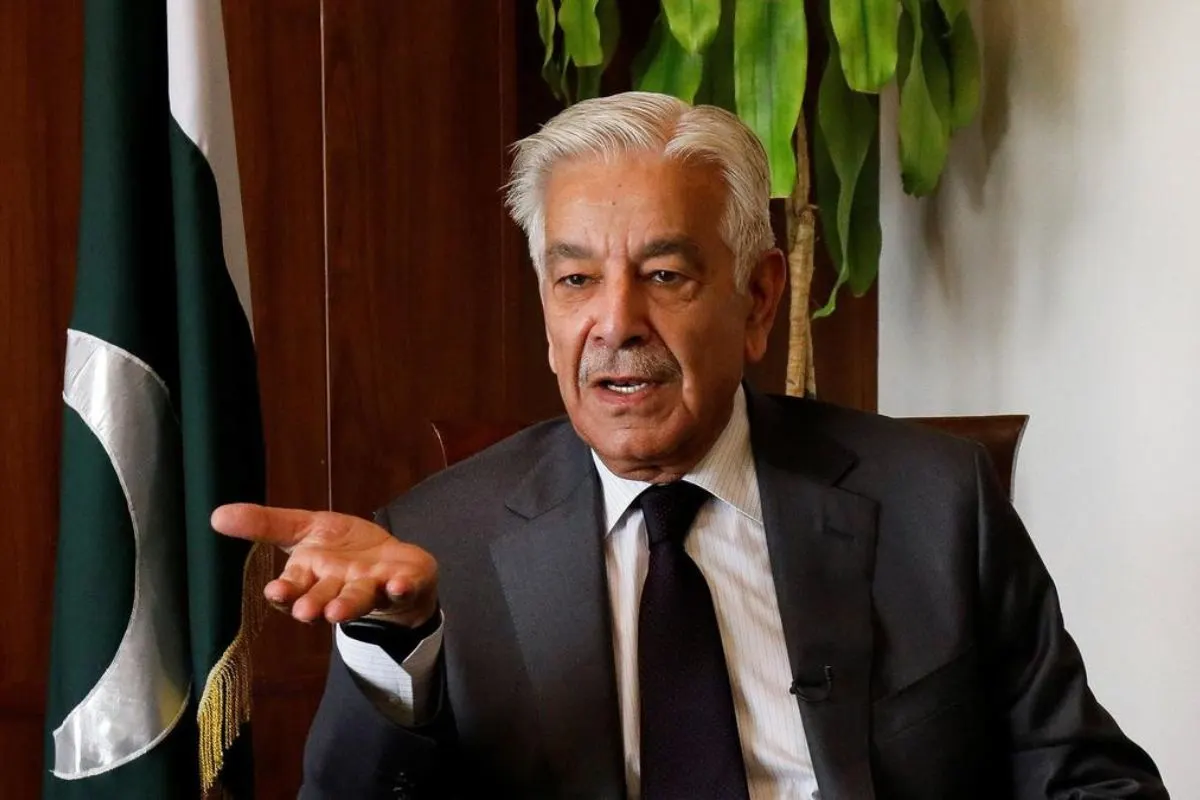
Pakistan’s Role as a Potential Mediator
Despite the harsh words, there is always a layer of pragmatism beneath the surface. While Pakistan's Defense Minister slams the current actions, there is a parallel conversation happening about stability.
The idea of Pakistan mediation US-Iran talks has been floated in diplomatic circles for years. Pakistan occupies a unique geographic and political space it is a nuclear-armed nation with close ties to China, a complex relationship with the US, and a shared border with Iran.
If Pakistan's Defense Minister can balance the rhetoric of the "Khawaja Asif statement on Israel" with the quiet work of diplomacy, Pakistan could become an essential bridge. It’s a strange thought that a country so vocal in its opposition could also be the one to help facilitate peace.
But that is the nature of global politics. It is rarely black and white. It is a "bitter calm" where every word is weighed for its weight in both gold and lead.
- The potential for Pakistan to leverage its relationship with Tehran.
- The strategic interest of the United States in keeping the region from total collapse.
- How Pakistan's Defense Minister coordinates with the Foreign Office to ensure a unified message.
- The influence of the OIC (Organization of Islamic Cooperation) in these deliberations.
Looking Ahead at the 2026 Landscape
As we navigate through the Pakistan Israel news 2026, it becomes clear that the status quo is no longer sustainable. The language is getting tougher. The stakes are getting higher. Pakistan's Defense Minister isn't just speaking for himself; he is channeling a collective frustration.
The mention of the Lebanon genocide Khawaja Asif brought to light reflects a fear that the conflict is no longer contained. It is spilling over, and the regional powers are feeling the heat.
Every time Pakistan's Defense Minister speaks, it adds a new chapter to this ongoing saga. Whether it’s through a formal press conference or a Defense Minister Khawaja Asif X post, the message remains clear: Pakistan will not remain a silent spectator. The world is changing, and the "quiet thunder" of diplomatic shifts is starting to grow louder.
Conclusion
The stance taken by Pakistan's Defense Minister against Israel highlights a significant moment in contemporary diplomacy. By focusing on the humanitarian impact and using bold language to describe the Lebanon genocide Khawaja Asif highlighted, Pakistan is reaffirming its commitment to the Palestinian cause while challenging the international community to take action.
As the Pakistan Israel news 2026 continues to evolve, the role of Pakistan's Defense Minister will be crucial in determining how the country navigates the thin line between ideological rhetoric and practical regional stability.
Whether through a Defense Minister Khawaja Asif X post or potential Pakistan mediation US-Iran talks, the goal remains a search for justice in an increasingly fractured world. It is a story of power, morality, and the enduring struggle for influence in the Middle East.
Read More: Iran-Israel War 2026: Global Crisis & Its Strong Impact on India
FAQs
What was the main point of the recent statement made by Pakistan's Defense Minister regarding Israel?
The main point of the statement was to strongly condemn the military actions in the region, which the Minister described in very harsh terms to highlight the human suffering and the need for immediate international intervention to stop the violence. It serves as a reminder of Pakistan's unwavering stance on the sovereignty and rights of the Palestinian and Lebanese people during this time of crisis.
How does the international community generally view the Israel reaction to Pakistan Minister and his statements?
The international community sees these exchanges as a reflection of the deep-seated diplomatic freeze between the two nations, with most Western countries viewing it as a standard part of regional rhetoric while Middle Eastern allies often see it as a necessary defense of shared religious and humanitarian values. These reactions often dictate the flow of diplomatic backchannels and the potential for any future mediation efforts in the broader region.