PM Modi’s Strategy: 7 Empowered Groups to Tackle Fuel & Gas Crisis
The air feels heavy these days, doesn't it? Like we are all waiting for a storm that has been brewing across the ocean. When you look at the news, it is hard not to feel a bit of that "bitter calm" the silence before something big breaks.
We see the headlines about the West Asia conflict impact on India energy, and suddenly, the numbers on the petrol pump display feel a lot more personal. It is not just math; it is about how we are going to get to work tomorrow.
I was thinking about how the government is reacting to this. It feels like a high-stakes chess game played in the dark. Prime Minister Modi has stepped in with a specific plan, a blueprint of sorts.
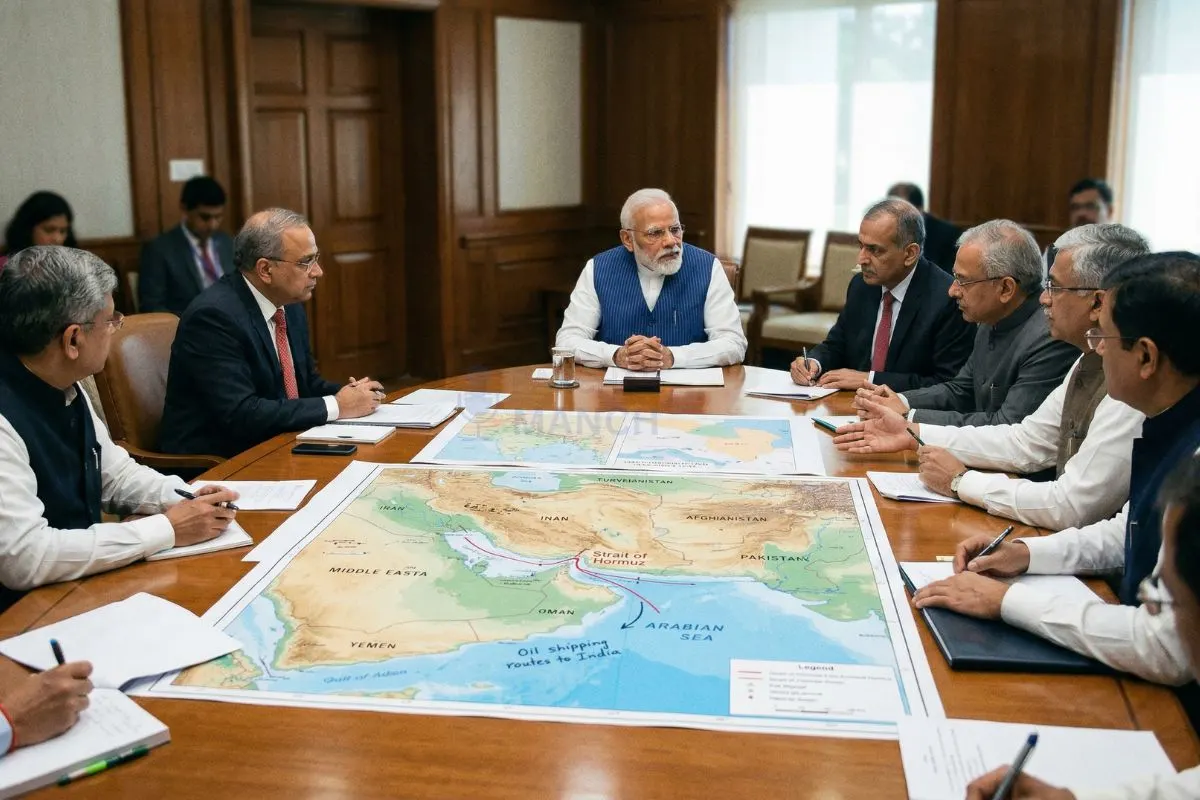
The PM Modi strategy for fuel and gas crisis is not just a single policy; it is a defensive wall. They have set up 7 empowered groups PM Modi 2026 to basically sit in a room and figure out how to keep the lights on and the wheels turning if the world outside goes sideways.
The Weight of the Global Crisis
Everything is connected. You can’t look at a map of the Middle East without thinking about the Strait of Hormuz blockade fuel supply risks. It is this tiny, narrow stretch of water, but it carries the lifeblood of our economy. If that gets choked, the ripples hit every kitchen in India.
It reminds me of the PM Modi Rajya Sabha speech March 2024, where there was this sense of urgency, a realization that we cannot just rely on "hoping for the best" anymore. We have to be our own anchor.
These seven groups are not just your typical committees. They are "empowered," which is a fancy way of saying they have the green light to make big calls fast. They are looking at shipping, at diplomacy, at the sheer mechanics of moving oil across a planet that feels increasingly fractured.
The PM Modi strategy for fuel and gas crisis is essentially about building a shock absorber for the Indian middle class. We saw it coming, or maybe we just felt it in the air, that Energy security and inflation control India would become the twin pillars of our survival this year.
The Seven Pillars of Stability
When you break down the 7 empowered groups PM Modi 2026, you see a pattern. One group is purely focused on finding new places to buy oil. We can’t just shop at one store if that store is in a war zone.
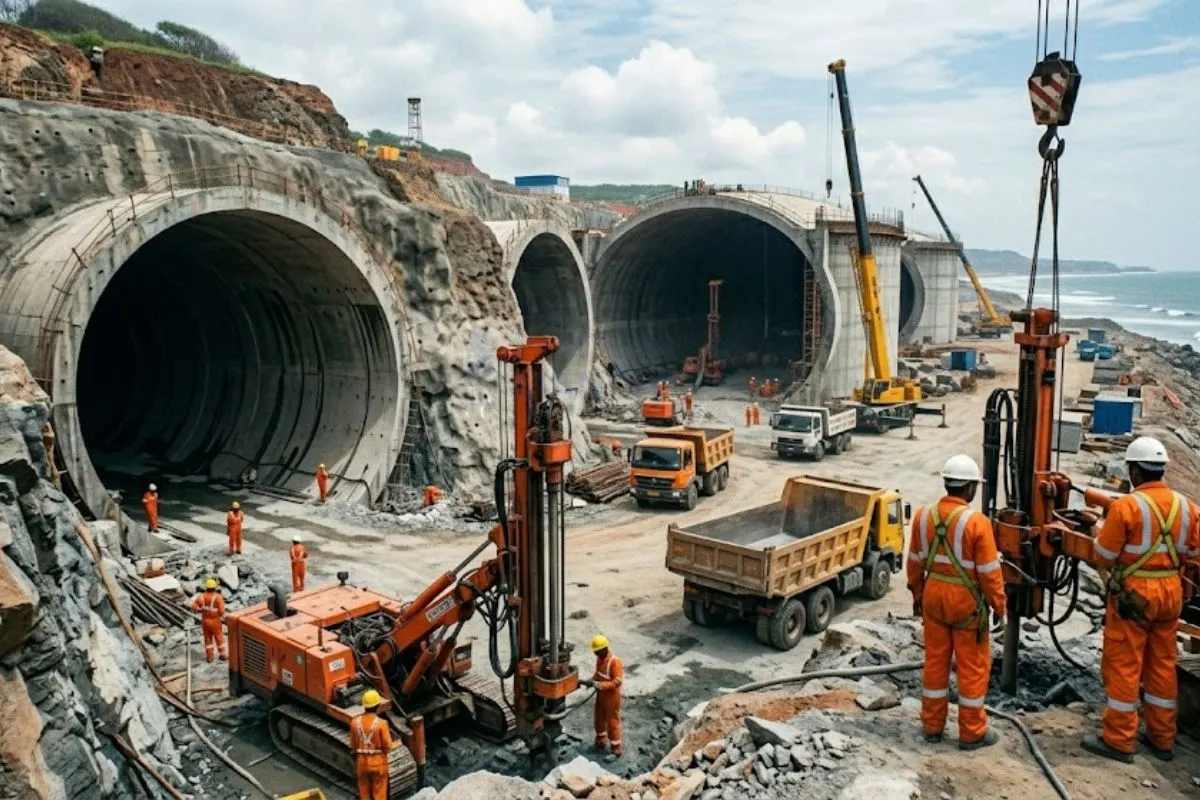
Another group is obsessing over the India strategic petroleum reserves 2026, which are basically our giant underground "emergency tanks." If the ships stop coming through the Strait of Hormuz blockade fuel supply routes, these reserves are what keep the country breathing for those critical weeks.
Read More: Top Political Party Updates 2026: Manifestos, Leadership Changes, and Election Strategies
It feels like a massive logistical puzzle. How do you keep prices steady when the global market is screaming? The PM Modi strategy for fuel and gas crisis handles this by looking at Energy security and inflation control India as one single problem.
You can't fix one without the other. If fuel prices jump, bread gets more expensive. It is that simple, and that terrifying. These groups are working to ensure that the West Asia conflict impact on India energy doesn't end up emptying the pockets of the common man.
For more deep dives into how these policies actually hit your doorstep, you should really check out Parcharmanch. It’s where these complex movements are broken down into something that actually makes sense for us, the people living through it.
The Underground Safety Net
I keep coming back to the India strategic petroleum reserves 2026. There is something strangely comforting about knowing there are millions of barrels of oil tucked away in salt caverns and underground tanks.
It’s the ultimate "just in case." During the PM Modi Rajya Sabha speech March 2024, the focus was clear: self-reliance. We are tired of being at the mercy of global tantrums.

The PM Modi strategy for fuel and gas crisis recognizes that we are in a marathon, not a sprint. The 7 empowered groups PM Modi 2026 are tasked with expanding these reserves.
They are looking at long-term contracts that aren't tied to the volatile spots in the Middle East. It’s about diversifying buying from South America, from Africa, from anywhere that offers a bit of "quiet thunder" stability in a loud, chaotic world.
Balancing the Budget and the Tank
We often talk about Energy security and inflation control India as if they are abstract concepts. But they aren't. They are the reason why the PM Modi strategy for fuel and gas crisis is so focused on the logistics of the Strait of Hormuz blockade fuel supply. If a tanker can't get through, we need a backup plan that doesn't involve raising taxes or cutting subsidies.
The West Asia conflict impact on India energy is a constant shadow. It forces the government to be nimble. These seven groups meet almost constantly, tracking the movement of ships in real-time. It’s a bit like watching a heartbeat on a monitor. The PM Modi Rajya Sabha speech March 2024 laid the groundwork for this, telling the nation that while we want peace, we are preparing for a world that is anything but peaceful.
Why This Matters to You
- Price Stability: The main goal of the PM Modi strategy for fuel and gas crisis is to make sure you don't wake up to a 10% price hike at the pump.
- Constant Supply: By managing the India strategic petroleum reserves 2026, the government ensures that even if global shipping stops, India doesn't.
- Proactive Shielding: The 7 empowered groups PM Modi 2026 act as a buffer, absorbing the economic shocks before they reach the local market.
- Global Diplomacy: Dealing with the West Asia conflict impact on India energy means talking to every side to keep the trade routes open.
- Economic Health: Focus on Energy security and inflation control India keeps the overall cost of living from spiraling out of control.
It’s a lot to take in. The world feels like it’s shifting under our feet, but there is a certain "fragmented logic" to how we are responding. We aren't just reacting; we are building. The PM Modi strategy for fuel and gas crisis is a testament to that.
It’s about making sure that no matter what happens in the Strait of Hormuz, the Indian kitchen remains warm and the Indian roads remain busy. It’s a tough job, maybe an impossible one some days, but the effort is there, visible in every policy and every reserve tank filled.
Conclusion
In the end, navigating a global energy crisis is like walking a tightrope in a high wind. The PM Modi strategy for fuel and gas crisis represents a massive, multi-layered attempt to keep India balanced.
By forming the 7 empowered groups PM Modi 2026 and focusing on the expansion of the India strategic petroleum reserves 2026, the government is trying to shield the average citizen from the worst of the West Asia conflict impact on India energy. It is a mix of hard-nosed diplomacy and massive infrastructure work, all aimed at Energy security and inflation control India.
We are preparing for the worst-case scenarios, like a Strait of Hormuz blockade fuel supply issue, while working toward a more stable, self-reliant future that was echoed in the PM Modi Rajya Sabha speech March 2024. It’s about survival, but more than that, it’s about maintaining a sense of normalcy in an abnormal world.
Read More: Major State Assembly Updates 2026: Political Movements and Decisions Affecting Citizens
FAQs
What is the main goal of the PM Modi strategy for fuel and gas crisis?
The strategy is designed to create a comprehensive safety net that protects the Indian economy from global oil price spikes and supply chain disruptions. By using empowered groups, the government can make rapid-fire decisions to secure alternative energy sources and keep domestic prices stable for the public.
How do the 7 empowered groups PM Modi 2026 function during a crisis?
These groups consist of top experts and officials who have the authority to bypass standard bureaucratic delays to manage logistics, diplomatic outreach, and emergency funding. Their primary focus is to ensure that the West Asia conflict impact on India energy does not lead to a shortage of essential fuels or a collapse in the supply chain.
Why is the India strategic petroleum reserves 2026 so important right now?
These reserves act as a massive national "insurance policy" by storing millions of tons of crude oil deep underground to be used only during extreme emergencies. As global tensions rise, having these reserves fully stocked ensures that the country can continue to function for several weeks even if all external imports are suddenly cut off.
What happens if there is a Strait of Hormuz blockade fuel supply interruption?
A blockade in this region would stop a significant portion of the world's oil flow, but India's strategy involves pre-arranging shipments from other regions like Russia and the Americas. The empowered groups would immediately tap into the strategic reserves and switch to these alternative routes to prevent a total energy blackout.
How does the government link energy security and inflation control India?
Energy costs are the "mother of all prices," meaning that when fuel gets expensive, the cost of transporting food and goods also goes up, causing inflation. By keeping fuel prices steady through strategic planning and government intervention, the PM Modi strategy for fuel and gas crisis directly prevents the cost of living from becoming unbearable for the common man.