
Practical Sustainability Tips in India: Eco,Friendly Habits for Daily Life
Sustainability India is not just a big phrase you hear in the news or at conferences. It’s about small, real choices we make at home, in our streets, fields, offices, schools, and markets. It’s easy to say “we should live eco‑friendly,” but what does that really mean in daily life? How do we reduce waste, save water, use cleaner energy, cut down plastics, and protect our environment without feeling overwhelmed? This article is an honest, simple guide to help you understand Sustainability India in real, everyday steps.
Living sustainably does not need fancy gadgets or big money. It begins with awareness, small actions, and habits that eventually become second nature, so that when you wake up in the morning, you don’t think twice before switching off a light, choosing a reusable bag, or saving that drop of water. In a nation like India, where billions of people share limited resources, practising sustainability is not optional, it’s necessary. And when everyday citizens begin to act, it has a ripple effect that can transform neighbourhoods, towns, and cities.
Throughout this article, you will find practical sustainability tips that are simple, actionable, and suitable for Indian contexts. These habits help build an environmentally friendly lifestyle without confusion. They make sense even if you are new to the idea of sustainability or feel that the topic is complicated.
Why Sustainability India Is Important Now
Sustainability in India has become an increasingly important focus as the country works to balance economic growth with environmental protection. Rapid urbanization, population growth, and rising resource consumption have created challenges related to pollution, waste management, water conservation, and energy demand. Addressing these issues requires both government initiatives and active participation from citizens.
Today, Sustainability India encompasses a wide range of efforts aimed at promoting cleaner living, responsible consumption, and long-term environmental preservation. From reducing plastic waste and conserving water to adopting renewable energy solutions and improving waste recycling systems, sustainable practices are becoming part of everyday life across many communities.
Government programs, environmental campaigns, and community-driven initiatives have encouraged people to make environmentally responsible choices in areas such as transportation, energy use, and household consumption. Increased awareness about climate change and resource conservation has also inspired individuals and organizations to adopt greener habits.
As India continues its journey toward sustainable development, collective action remains essential. Small changes in daily behavior, combined with larger policy initiatives, can contribute significantly to protecting natural resources, improving public health, and creating a cleaner, more sustainable future for generations to come.
Energy‑Smart Living: Save Power, Save Earth
Energy use sits at the heart of sustainability, and adopting energy‑smart habits at home is a major part of Sustainability India. When you use less electricity, you reduce demand on power plants that burn fossil fuels. This helps improve air quality and slows down climate‑related damage.
Here are some practical steps:
- Switch off lights and fans when rooms are not in use.
- Choose energy‑efficient appliances with lower power usage.
- Whenever possible, unplug devices instead of leaving them on standby.
India is also rapidly expanding its renewable energy infrastructure. The country has already achieved major milestones in non‑fossil fuel capacity, growing solar and wind power, and aiming for more clean energy by 2030. This shift means fewer harmful emissions and greater energy sustainability for Indian households and industries.
Read More: Sustainable Fashion Trends 2026: How to Build an Eco-Friendly Wardrobe Easily

If you can, installing solar panels on rooftops or supporting community solar projects is a big leap toward energy‑friendly living. Even small steps, like using LED bulbs or setting air conditioners at slightly higher temperature settings, contribute to energy savings that add up over time.
Water Conservation: Every Drop Matters
In India, water scarcity is a recurring reality in many regions,hot summers, shrinking groundwater, and uneven rainfall make water precious. As part of Sustainability India, conscious water use should be a priority for every household.
Useful practices include:
- Collect rainwater using drums or tanks.
- Fix leaks in taps and pipes immediately.
- Use buckets instead of running showers for bathing.
The Government of India also runs a big national campaign called Jal Shakti Abhiyan to promote water conservation,focusing on rainwater harvesting, catchment management, and awareness at the grassroots level.
Local festivals and initiatives such as Jal Utsav (a water conservation festival in Gujarat) show how communities can create awareness and solutions for water sustainability together.
In daily life, conserving water not only saves bills and reduces waste, but it also protects your community’s future access to clean water. That’s real Sustainability India in action.
Plastic Reduction: Reuse, Recycle, Replace
Plastic waste is one of the biggest visible environmental issues in both urban and rural India. From bottles to bags, from packaging sheets to disposable cutlery, plastic pollutes land and water, chokes drainage systems, and takes hundreds of years to decompose.
To build an environment‑friendly lifestyle, start by reducing single‑use plastics:
- Bring reusable bags when shopping.
- Avoid plastic straws and cutlery in meals outside.
- Carry a metal or glass bottle instead of buying water bottles.
Communities across India are also finding local ways to recycle,from weaving plastic into mats in Dharavi to school projects on reuse and repair.
Plastic reduction doesn’t happen overnight, but each conscious choice to refuse, reuse, repair, repurpose, or recycle brings your habits closer to sustainability. The idea is to build a lifestyle that naturally avoids waste, and not just a temporary choice.
Green Living at Home and in Your Neighbourhood
Living sustainably also means making your home and neighbourhood greener,literally and figuratively.
Green living tips include:
- Plant trees and herbs around your home.
- Use organic compost for kitchen waste if possible.
- Support neighbourhood clean‑ups and recycling drives.
Plants help cool local temperatures, improve air quality, and provide fresh produce if you grow edible plants. The Green Living practice also connects to water conservation because plants hold soil, reduce evaporation, and create moist microclimates around houses.
Sustainability is not just physical,it’s also about shifting minds. When neighbours start practising and sharing ideas, a community becomes more resilient, supportive, and future‑ready.
Sustainable Transport: Step by Step Change
Transport accounts for a large part of daily energy use and pollution. Choosing more sustainable ways to travel can make a big impact.
Consider:
- Walk or cycle for short distances instead of taking vehicles.
- Use public transport where available.
- Carpool with others when commuting to work or school.
These choices reduce your personal carbon emissions and make roads less congested, contributing to Sustainability India in an honest way. They also improve health, reduce stress, and make neighbourhoods feel more human and connected.
Reduce Waste and Practice Recycling
Waste management is an essential part of sustainability that everyone can adopt.
At home:
- Segregate waste into dry, wet, and recyclable materials.
- Use compost bins for kitchen waste.
- Donate old clothes, books, and usable items instead of throwing them away.
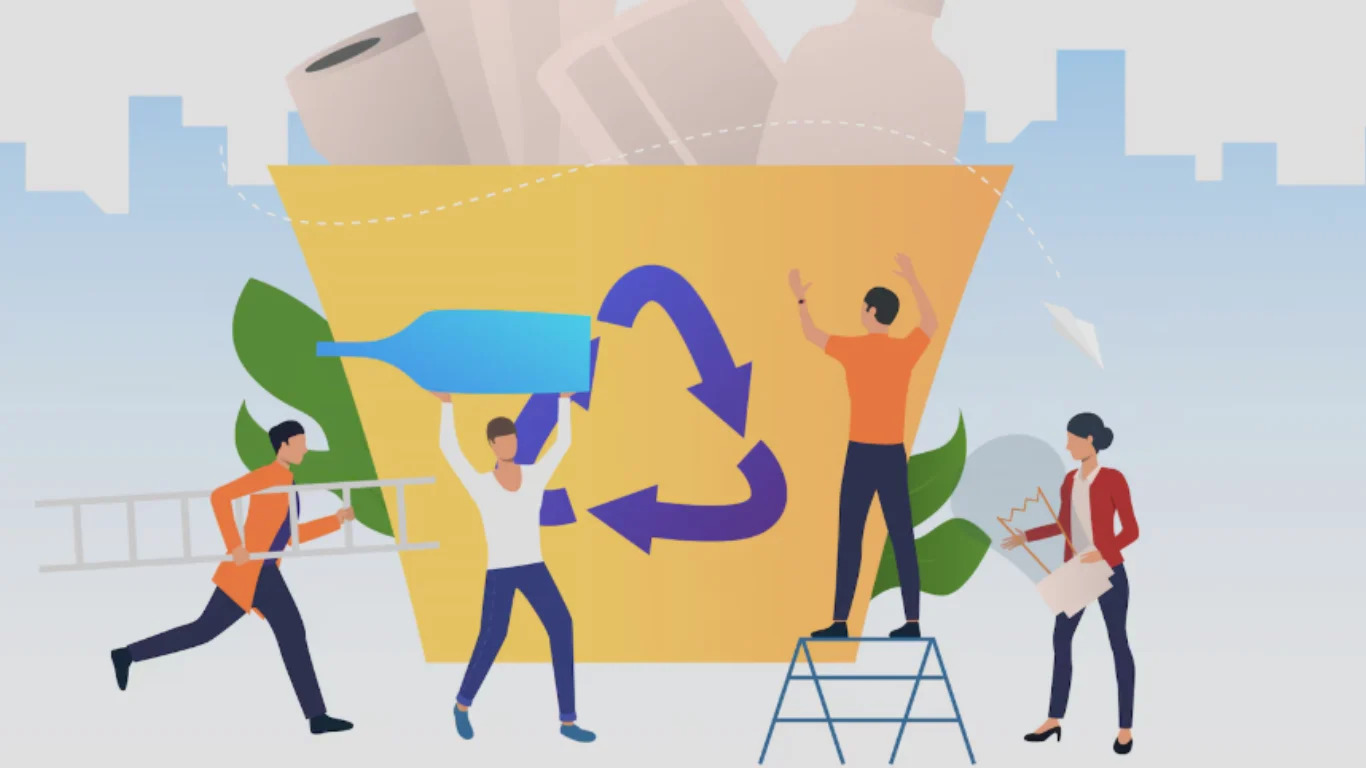
Proper waste separation reduces landfill pressure and creates opportunities for recycling and reuse. Many Indian cities now have waste collection systems that support recycling, and neighbourhood groups often organise repair and reuse workshops. These simple habits help cut down wastage and build a stronger culture of reuse.
Buy Consciously: Sustainable Consumer Choices
Another major element of Sustainability India is choosing what you buy carefully. When you purchase products that are durable, reusable, low,waste, and manufactured responsibly, you reduce the demand for high‑waste goods.
Tips include:
- Prefer products with minimal packaging.
- Choose local goods over imported ones to reduce transport emissions.
- Support brands that use recycled or biodegradable materials.
Conscious consumerism isn’t about perfection, it’s about prioritising products that align with your values and that have a lower impact on the environment.
Sustainable Food & Agriculture Practices
Food habits also influence sustainability. India has a rich history of plant‑based diets, seasonal eating, and community farming traditions. These food customs align naturally with Sustainability India's ideals.
Eating locally grown, seasonal produce reduces transportation energy. Reducing food waste at home or using leftover food creatively also plays a big role in conserving resources.
If space allows, growing vegetables or herbs at home or in community gardens connects you directly with sustainable agriculture and reduces dependency on supermarket packaging.
Engage in Community and Education
A truly environmentally friendly lifestyle is not isolated to individual homes. When schools, colleges, offices, and neighbourhoods share knowledge about composting, recycling, water saving, and clean energy, the impact multiplies.
Work with community groups, teach kids about sustainable habits, attend local green events, and encourage workplaces to adopt sustainability guidelines. Teaching others not only reinforces your habits but spreads awareness that can reshape cities and towns.
Latest Updates in Sustainability India
In recent years, India has advanced multiple sustainability efforts:
- India has achieved about 50% of its electricity capacity from non‑fossil sources, showing progress in clean energy expansion.
- New solar‑powered infrastructure projects, like all‑solar ferry terminals, are emerging, reducing pollution in transportation sectors.
- Innovative technologies such as sunlight‑driven nano reactors are being developed to clean toxic wastewater without electricity or harmful chemicals.
- Institutions like IIM Nagpur are building solar parks and green campuses to reduce energy bills and carbon emissions.
- Water conservation efforts like river rejuvenation projects and Jal Shakti Abhiyan show community engagement for water security.
These updates show that Sustainability India is evolving in practical ways, not just as a concept but in ground‑level actions that affect everyday life.
Conclusion
Sustainability India may sound like a big idea, but at its heart, it’s about simple habits that everyone can adopt. Daily life becomes greener when people save energy, conserve water, reduce plastic waste, recycle thoughtfully, choose eco‑friendly products, and commute sustainably. Each practice might feel small alone, but together, they build a culture that protects nature, reduces pollution, and ensures resources last for future generations.
Real sustainability also depends on communities working together, families, schools, neighbourhoods, and local groups. When citizens adopt these practical tips, they contribute to cleaner air, healthier water, stronger local economies, and more resilient environments. Sustainability is not a one‑day task; it is a mindset that grows with consistency, care, and conscious choices.
By embracing eco‑friendly habits and staying informed about environmental efforts happening across India, you become part of a national movement toward a safer, cleaner, and more balanced world, one day at a time. This is the real meaning of Sustainability India,living well today without compromising the ability of future generations to live well tomorrow.
Read More: Celebrity Airport Style 2026: What Are the Most Comfortable Yet Stylish Travel Outfits?
FAQs
What is Sustainability India, and why is it important for daily life?
Sustainability India refers to the everyday practices and habits that help protect natural resources, reduce environmental harm, and build a balanced way of living in the Indian context. It matters because India faces water scarcity, pollution, and waste challenges that affect health, economy, and future generations, so small habits can make a big impact.
How can individuals contribute to renewable energy efforts in India at home?
Individuals can support renewable energy by using energy‑efficient appliances, installing rooftop solar panels if possible, reducing unnecessary power use, and supporting community clean energy initiatives. These actions lower carbon emissions and help India transition to cleaner power sources sooner.
What are some simple plastic reduction habits that anyone can adopt?
To reduce plastic usage, start by refusing single‑use plastics like bags and straws, carrying reusable bottles and cloth bags, choosing products with less packaging, and recycling plastic waste properly. Even these basic steps cut down the amount of plastic that ends up polluting land and waterways.
Why is water conservation critical in India, and how can households practice it?
Water conservation is vital because many regions in India experience drought and water shortages. Households can save water by collecting rainwater, fixing leaks, using buckets for bathing, and watering plants early in the morning. These habits ensure that every drop is used wisely and sustainably.
Can adopting an environmentally friendly lifestyle really make a difference in large cities and rural areas?
Yes, when many individuals adopt eco‑friendly habits, the collective effect can transform neighbourhoods, reduce pollution levels, conserve resources, and inspire broader environmental policies. Change at the individual level motivates community efforts that scale up sustainability across cities and rural regions alike.