Pranayama Breathing Exercises: Benefits, Types, Techniques & Beginner's Guide
Breathing is strange, we do it all day, all night , without thinking. Until one day, stress shows up. Or tiredness. Or this heavy feeling in the chest that doesn’t exactly hurt but also doesn’t go away. And suddenly, breathing feels different.
Too fast. Too shallow. Almost like the body forgot how to do the simplest thing. That’s where pranayama breathing exercises come in. Not as some complex yoga practice , but as a way of remembering how to breathe properly again. Slowly. Deeply. Naturally.
People now use breathing techniques, yoga, not just for fitness but for mental calmness, better sleep, and emotional balance.
The pranayama benefits are not always dramatic at first , sometimes they’re subtle. A quieter mind. A softer heartbeat. A kind of bitter calm that slowly becomes peaceful. Let’s understand what this really is.
What Are Pranayama Breathing Exercises?
In simple words, pranayama breathing exercises are controlled breathing practices used in yoga.
“Prana” means life force, “Ayama” means control or expansion,
So, pranayama is about expanding your life energy through breath.
These breathing techniques in yoga help regulate how you inhale and exhale. And that small change affects your:
- Heart rate
- Oxygen level
- Nervous system
- Stress response
- Focus level
Over time, the pranayama benefits support both physical and mental health. That’s why yoga breathing for health is now widely recommended for stress management.
How Pranayama Works in the Body
Sometimes we think stress is in the mind. But actually, it lives in the breath too.
When you are anxious, breathing becomes:
- Fast
- Uneven
- Shallow
Practising pranayama breathing exercises sends a signal to your brain that everything is okay , even if it’s not fully okay yet. This activates the relaxation response of the nervous system.
Regular yoga breathing for health may:
- Reduce stress hormones
- Improve lung capacity
- Balance blood pressure
- Support digestion
- Improve sleep quality
These are some of the most common pranayama benefits noticed by beginners.
Read More: 10 Healthy Breakfast Recipes for Weight Loss That Keep You Full for Hours
Types of Pranayama Breathing Exercises
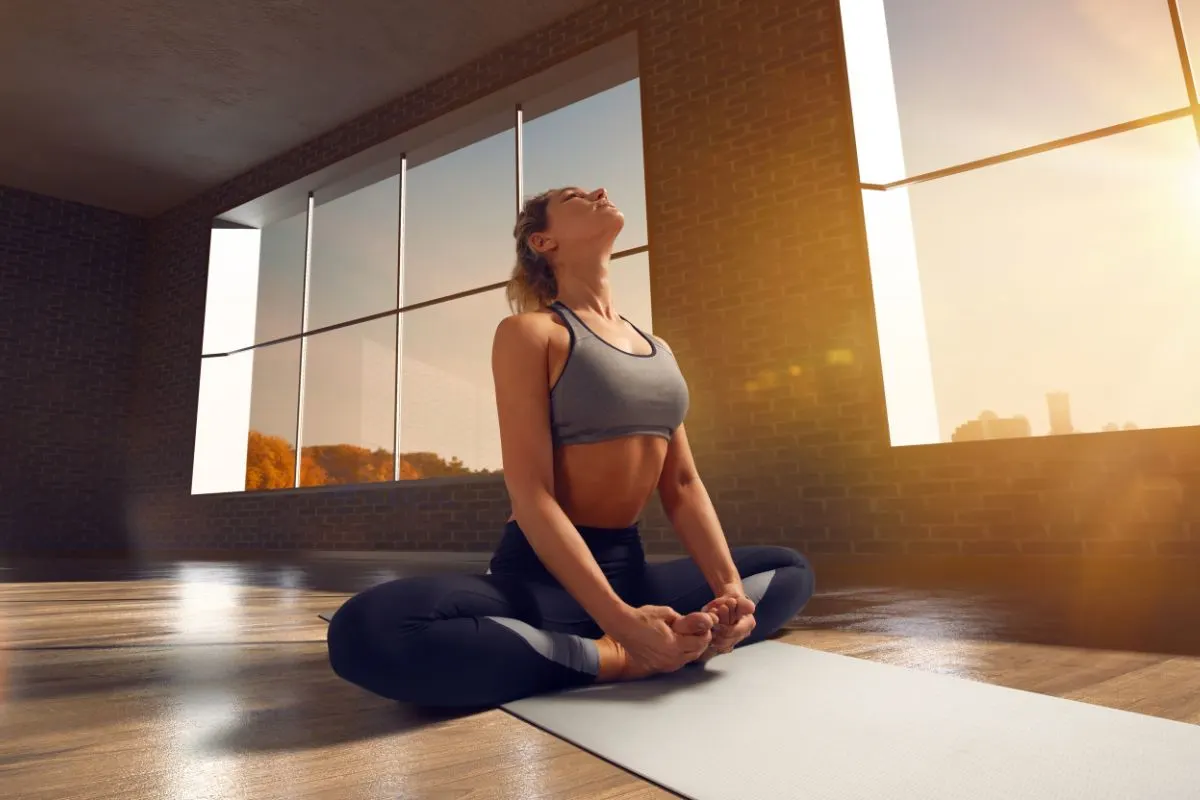
There are many types of breathing techniques in yoga, but beginners usually start with a few simple ones. Let’s look at the most useful ones.
1. Anulom Vilom Pranayama
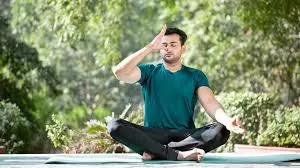
Anulom Vilom Pranayama is one of the most common and beginner-friendly pranayama breathing exercises.
It involves breathing through alternate nostrils.
How to Do It:
- Sit in a comfortable position
- Close your right nostril
- Inhale through the left nostril
- Close the left nostril
- Exhale through the right nostril
- Repeat the process
Regular practice of Anulom Vilom Pranayama improves oxygen flow and supports emotional balance. It is also useful for yoga breathing for health and stress reduction.
2. Kapalbhati Breathing
Kapalbhati breathing is slightly more active than other pranayama breathing exercises. It focuses on forceful exhalation and passive inhalation.
How to Do It:
- Sit straight
- Inhale normally
- Exhale forcefully through the nose
- Allow inhalation to happen naturally
Practising Kapalbhati breathing daily supports lung cleansing and digestion. It is one of the powerful breathing techniques in yoga for improving metabolism. Many people notice improved energy levels after practising Kapalbhati breathing regularly.
3. Deep Belly Breathing
This is one of the simplest pranayama breathing exercises.
How to Do It:
- Place one hand on your stomach
- Inhale deeply
- Feel your belly rise
- Exhale slowly
This type of yoga breathing for health supports relaxation and mental calmness.
Read More: Modi's Matua Gambit: The One Speech That Could Decide West Bengal's 2026 Election
Health Benefits of Pranayama
The pranayama benefits are wide-ranging , but they often appear slowly.
Regular pranayama breathing exercises may:
- Improve lung function
- Support heart health
- Reduce anxiety
- Improve focus
- Support immunity
Both Anulom Vilom Pranayama and Kapalbhati breathing help improve oxygen circulation in the body. These breathing techniques in yoga also help reduce physical fatigue. People who practice yoga breathing for health often feel less tired during the day.
Read More: How Mental Wellness Improves Physical Health (Science-Backed Facts)
Daily Routine for Beginners
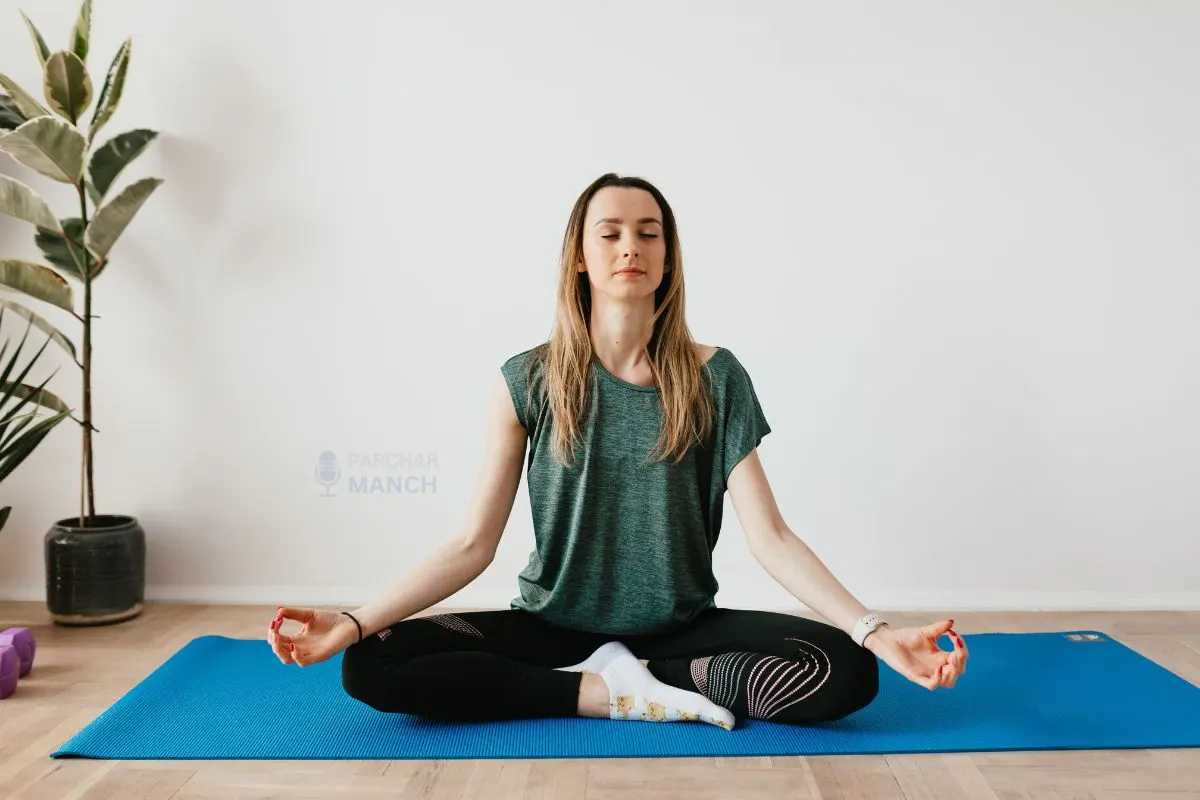
You don’t need to do everything at once. Start small.
Basic Routine:
- 5 minutes of deep breathing
- 5 minutes of Anulom Vilom Pranayama
- 2 minutes of Kapalbhati breathing
This short routine supports the long-term pranayama benefits. Regular pranayama breathing exercises help improve emotional stability, too.
Latest Update: What Current Studies Suggest
Recent health studies in 2024–2025 suggest that daily pranayama breathing exercises may improve vagus nerve activity. This nerve controls the relaxation response.
That’s why:
- Breathing techniques in yoga reduce anxiety
- Pranayama benefits include improved sleep
- Yoga breathing for health supports blood pressure balance
- Anulom Vilom Pranayama helps calm the mind
- Kapalbhati breathing improves lung strength
Consistency remains the key to experiencing these pranayama benefits.
Read More: Celebrity Airport Style 2026: What Are the Most Comfortable Yet Stylish Travel Outfits?
Conclusion
Pranayama is more than a breathing exercise—it is a simple daily practice that supports overall physical and mental well-being. By learning to control your breath, you can improve lung function, reduce stress, enhance concentration, and develop a greater sense of calm in everyday life.
Whether you choose Anulom Vilom, Kapalbhati, Bhramari, or other pranayama techniques, regular and mindful practice can offer long-term health benefits when combined with a balanced lifestyle. Beginners should start slowly, maintain proper posture, and avoid forcing their breath during practice. If you have a respiratory condition, heart disease, high blood pressure, or are pregnant, it is advisable to consult a qualified healthcare professional or certified yoga instructor before practising advanced breathing techniques.
The key to experiencing the benefits of pranayama is consistency. Even 10–15 minutes of daily practice can help improve breathing efficiency, support emotional balance, increase energy levels, and contribute to better overall health. With patience and proper guidance, pranayama can become a valuable part of a healthy and sustainable wellness routine.
Read More: How Yoga & Meditation Improve Mental Health (Science-Backed Benefits)
FAQs
How long should I practice pranayama daily?
Beginners can start pranayama breathing exercises for 10–15 minutes daily. Regular practice of breathing techniques such as Anulom Vilom Pranayama helps improve lung capacity and mental calmness.
Is Kapalbhati safe for everyone?
Kapalbhati breathing is generally safe but should be done gently. People with high blood pressure or heart issues should consult a doctor before trying this type of pranayama breathing exercises.
Can pranayama improve sleep?
Yes, regular yoga breathing for health helps calm the nervous system. Many people notice better sleep quality after practising pranayama breathing exercises daily.
Which pranayama is best for beginners?
Anulom Vilom Pranayama is one of the easiest breathing techniques for yoga beginners. It improves oxygen flow and supports emotional balance.
When is the best time to do pranayama?
Morning is usually considered the best time for pranayama breathing exercises. Practising on an empty stomach helps improve the overall pranayama benefits.