Pratapgarh Tragedy: Six Killed as 100-Year-Old House Collapses in UP Amid Rains
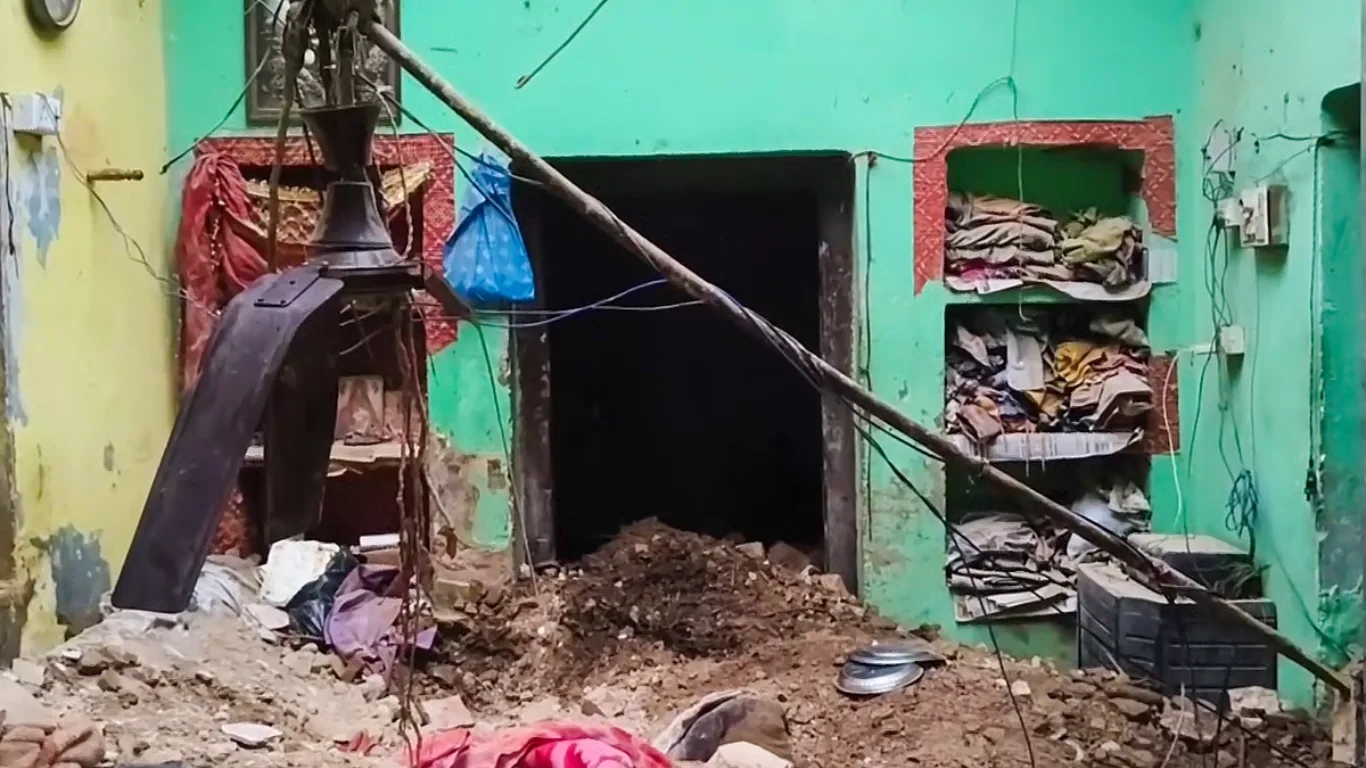
A tragic incident has struck Uttar Pradesh as the Pratapgarh house collapse claimed six lives after a century-old building gave way amid heavy monsoon rainfall. The incident has once again brought attention to the dangers posed by ageing structures during India's intense monsoon season.
What Happened in the Pratapgarh House Collapse
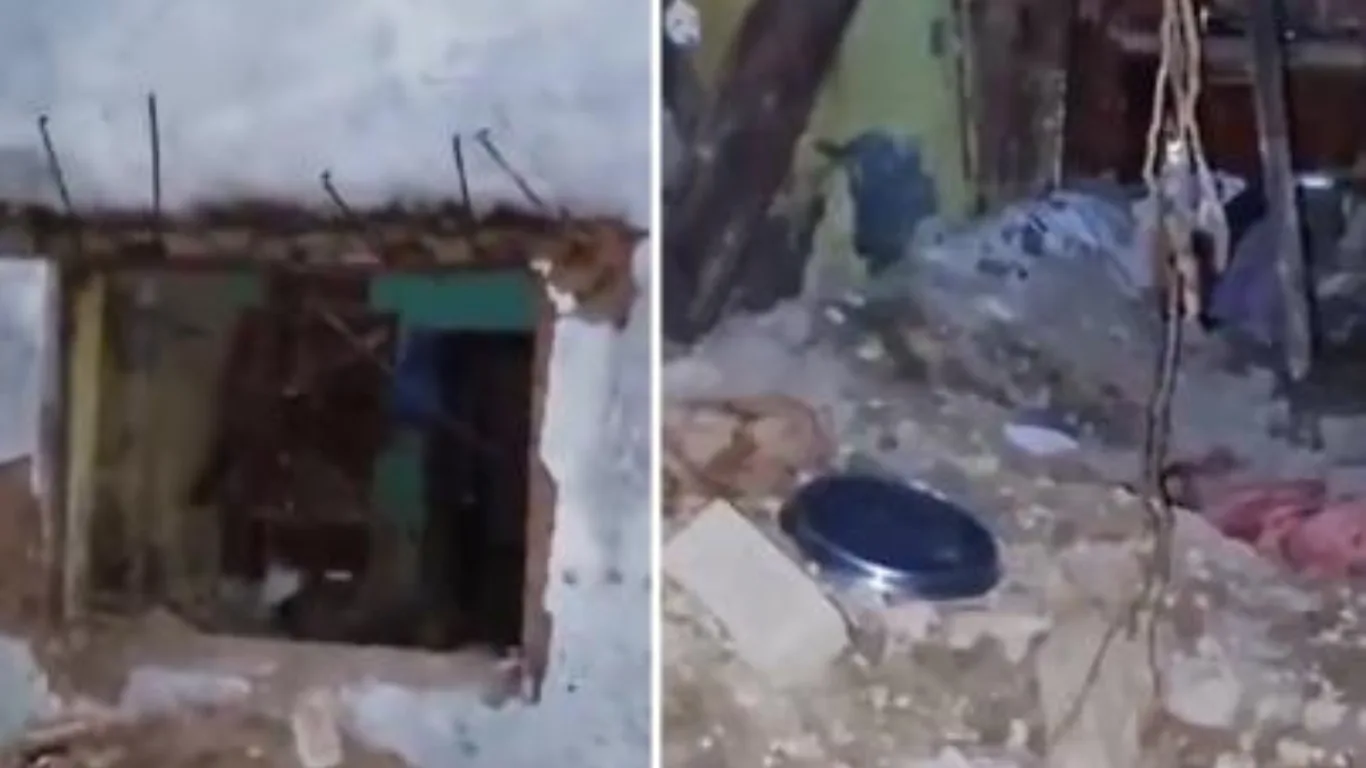
According to reports, the Pratapgarh house collapse occurred when a nearly 100-year-old house crumbled under the weight of continuous heavy rain that had weakened its foundation over time. The structure, believed to have been standing for generations, could not withstand the prolonged moisture and structural stress caused by the downpour.
Local residents rushed to the site immediately after the collapse, and rescue teams were mobilized to search for survivors trapped under the debris. Despite the efforts, six people lost their lives in the Pratapgarh house collapse, marking one of the deadliest rain-related building incidents reported in the region this monsoon season.
Rescue and Relief Operations
Following the Pratapgarh house collapse, disaster response teams and local police worked through challenging conditions to clear debris and recover victims. Emergency services coordinated closely with district authorities to ensure that injured survivors received immediate medical attention at nearby hospitals.
District officials have announced compensation for the families of those who died in the Pratapgarh house collapse, while also initiating an assessment of other old and structurally vulnerable buildings in the area to prevent similar tragedies.
Why Old Structures Are at Risk During Monsoon
The Pratapgarh house collapse highlights a recurring seasonal risk across many parts of India, where ageing buildings — particularly those built decades ago without modern construction standards — become vulnerable during heavy and prolonged rainfall. Waterlogged foundations, weakened mortar, and structural fatigue often combine to cause sudden collapses, sometimes with little warning.
Experts point out that incidents like the Pratapgarh house collapse underscore the need for periodic structural audits of old buildings, especially in densely populated towns and rural areas where such structures are common.
Government and Administrative Response
In the aftermath of the Pratapgarh house collapse, local administration officials have urged residents living in old or damaged structures to relocate temporarily during heavy rainfall periods. Awareness drives and inspection teams are being considered to identify at-risk buildings across the district and prevent further loss of life.
Conclusion
The Pratapgarh house collapse serves as a heartbreaking reminder of the hidden dangers that monsoon rains can pose to old and weakened structures. As relief efforts continue, the tragedy has renewed calls for better structural safety measures and timely intervention to protect vulnerable communities during the rainy season.
FAQs
What caused the Pratapgarh house collapse?
The collapse occurred when a nearly 100-year-old house gave way due to a weakened foundation caused by continuous heavy monsoon rainfall.
How many people died in the Pratapgarh house collapse?
Six people lost their lives in the incident, making it one of the deadliest rain-related tragedies in the region this monsoon season.
What relief measures has the government announced?
District authorities have announced compensation for the victims' families and are conducting assessments of other old, structurally vulnerable buildings in the area.
Why are old buildings more vulnerable during monsoon season?
Ageing structures often have weakened foundations and mortar that cannot withstand prolonged rainfall and waterlogging, increasing the risk of sudden collapse.
What precautions are authorities recommending after this incident?
Authorities have urged residents in old or damaged structures to relocate temporarily during heavy rainfall and are considering inspection drives to identify at-risk buildings.