Ritabrata Banerjee Named Leader of Opposition in Bengal: Inside the TMC Rebellion That Is Reshaping West Bengal Politics
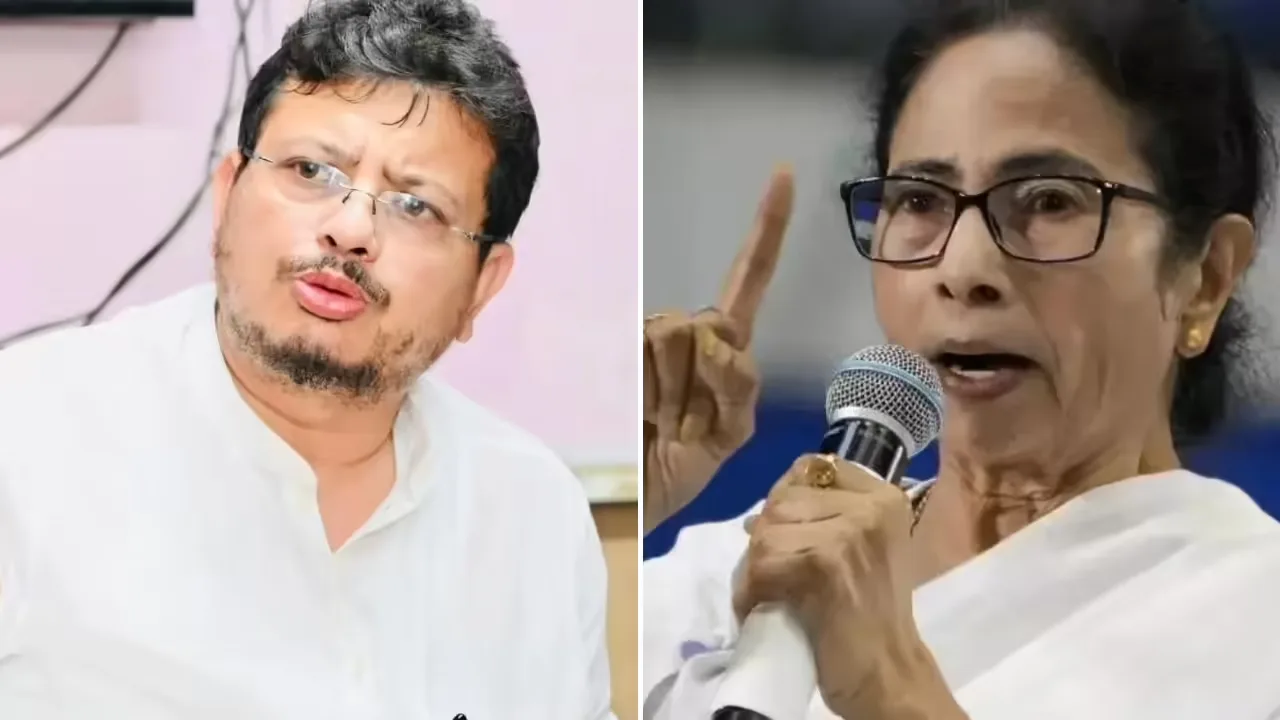
Something unusual is happening inside the West Bengal Legislative Assembly right now, and it goes well beyond a routine political reshuffle. Ritabrata Banerjee, a former Trinamool Congress leader, has been appointed as the Leader of Opposition in the West Bengal Assembly by a group of rebel TMC MLAs who broke away from the party after its stunning defeat in the recent state elections. This is not just one politician changing sides. It is the first serious structural challenge to Mamata Banerjee's decades-long grip on Bengal.
Why This Moment Is Bigger Than It Looks for Bengal Politics
When a political party loses power, it is expected to reorganize and sit in opposition. What is not expected is for the losing party to fracture so severely that a rebel faction seizes the formal Opposition space itself. That is what happened here.
Trinamool Congress, which once held a commanding majority in the Bengal Assembly with over 215 seats, has seen its position collapse rapidly. Reports indicate as many as 60 MLAs joined the rebel camp, though the numbers keep shifting. Only around 32 rebels showed up at a critical meeting, and internal disagreements over how to position Mamata's role have deepened the split even further. Some rebels wanted her designated as "chief adviser" of their new bloc, while 16 of them reportedly pushed back, insisting she should be called "chairperson" , not an adviser. A small word. A very large argument.
Read More: Bihar Political Shift 2026: Why Nitish Kumar Resigned and Who is the New CM of Bihar?
Who Is Ritabrata Banerjee and Why Does His Appointment Matter
Ritabrata Banerjee's political story is, in its own way, quite striking. He was once a committed TMC loyalist, a man who reportedly saw Mamata Banerjee as an almost heroic political figure. He served as a Rajya Sabha MP from TMC before being expelled. After a stint that also touched the CPM, he returned to public life as one of the most vocal critics of TMC's internal power structure, particularly targeting Abhishek Banerjee, Mamata's nephew, who has long been seen as the real organizational force behind TMC.
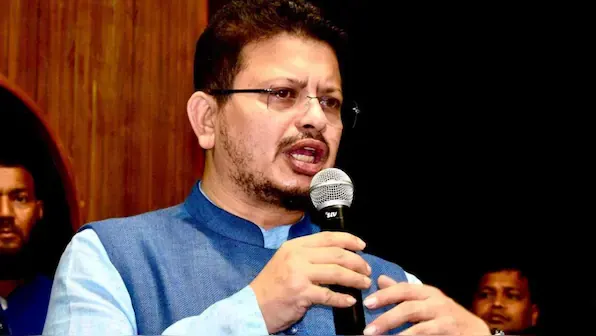
His appointment as Leader of Opposition by the rebel TMC bloc gives the fragmented group an official face and a constitutional role inside the Assembly. It also hands that role, arguably, away from any alternative like the BJP.
The Anti-Abhishek Sentiment: The Actual Engine Behind This Revolt
Here is the part many news reports mention but few unpack. This rebellion is not simply against Mamata Banerjee. It is specifically fuelled by what observers describe as an "anti-Bhaipo" sentiment , Bhaipo being the Bengali word for nephew. Multiple sources in the rebel camp have made it clear that their primary grievance is with Abhishek Banerjee's dominance within TMC, his control over candidate selection, and what they see as his sidelining of senior, grassroots leaders.
Mahua Moitra, still aligned with the TMC leadership, dismissed the rebels publicly as "completely useless." But that kind of sharp language rarely arrives when there is nothing to worry about.
Read More: Why Going to the Movies Still Matters for Gen Z in the TikTok Era
What Happens Next: Consequences for TMC, BJP, and Bengal
The structural implications are significant. By occupying the formal Leader of Opposition role in the Assembly, the rebel bloc tied to Ritabrata Banerjee has effectively given the BJP influence over both the government and the opposition simultaneously , the ruling party from outside Bengal, and now an opposition that emerged from TMC's own ranks.
Adhir Ranjan Chowdhury of Congress observed that the vacuum in Bengal's opposition space could offer Congress an opening. Whether that opening translates into anything depends on whether the rebel bloc holds together.
Meanwhile, reports suggest that at least 20 TMC MPs are planning to leave the party as well, with warnings that "Assembly Dhurandhar 1, Parliament will be Dhurandhar 2." TMC has already dissolved all its West Bengal committees and frontal organizations, signalling that even the party's own leadership knows a structural overhaul is unavoidable.
Read More: Dhurandhar 2 Box Office Collection (15 April 2026): The Film That Just Won’t Slow Down
A Party Facing Itself
There is something almost poetic, though not in a comfortable way, about watching a party that built its identity on defying the establishment now facing a rebellion rooted in the same instinct. The TMC rebels are doing to Mamata's organization what Mamata once did to others. Whether Ritabrata Banerjee's leadership holds, whether the 60 becomes 20 or 20 becomes 60, Bengal is watching a political story that is far from over.
Read More: Why Dhurandhar 2 is the Most Intense Revenge Story of the Year
FAQs
Who is Ritabrata Banerjee?
He is a former TMC leader and ex-Rajya Sabha MP who was once expelled from the party. He has now been named Leader of Opposition in the West Bengal Assembly by the group of rebel TMC MLAs.
Why did TMC MLAs rebel against Mamata Banerjee?
The rebellion is primarily directed at Abhishek Banerjee, Mamata's nephew, over his control of the party's organizational structure and candidate selection. Most rebels insist their fight is not against Mamata personally.
What is the Leader of Opposition role?
It is a formal constitutional position in the state legislature given to the head of the largest opposition party or bloc. It comes with specific rights, resources, and the authority to formally challenge the ruling government inside the Assembly.
How many rebel MLAs are involved?
Reports initially suggested around 60 rebel MLAs, but attendance at the rebel bloc's first meeting was around 32, with internal disagreements surfacing almost immediately.
Is TMC dissolving entirely?
No. TMC has dissolved its state committees and frontal organizations for reorganization and review, but the party continues to exist nationally and still has a significant presence in Parliament.