Russia Missile Attack On Ukraine: Inside Kyiv's Deadliest Night In Weeks
There's a particular kind of dread that settles over a city when the president himself tells you to take shelter hours before anything happens. That's exactly what played out in Kyiv this week. The latest Russia missile attack on Ukraine killed at least eight people and left dozens wounded, arriving almost exactly when Volodymyr Zelensky said it would.
Why This Russia Missile Attack On Ukraine Actually Matters
This isn't a distant headline you scroll past. Every fresh Russia missile attack on Ukraine reshapes how the war is discussed globally, how allies respond, and how ordinary Ukrainians plan their nights around air raid sirens. Zelensky cut short a diplomatic visit to Dublin specifically because intelligence pointed to this strike, and his Zelensky warning issued hours earlier tells you something about how predictable, yet unstoppable, these waves have become. For anyone trying to understand where this conflict stands right now, this single night says more than most weekly summaries.
What Actually Happened In Kyiv
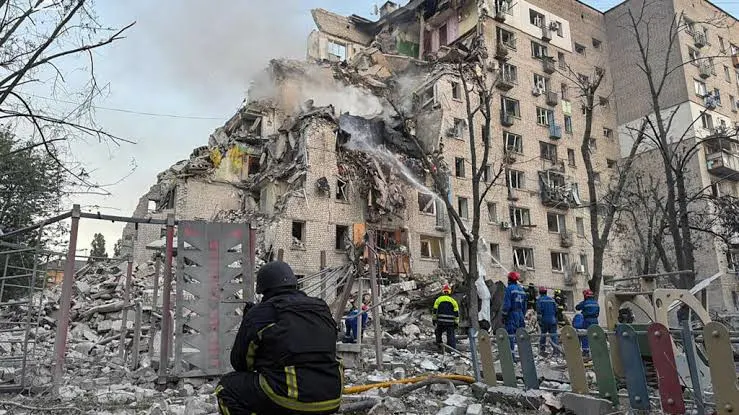
Here's the simple version. Russian forces launched a ballistic missile strike combined with cruise missiles and attack drones against Kyiv overnight into Thursday, July 2. Tymur Tkachenko, head of the Kyiv City Military Administration, confirmed eight deaths, while Mayor Vitali Klitschko reported 34 people injured across the capital, the latest round of Kyiv casualties in a war that has repeated this pattern for years. Damage was recorded in 28 separate locations, mostly residential buildings and civilian infrastructure, not military sites. A nine-storey residential building in the Desnianskyi district partially collapsed, trapping people inside, and fires broke out near residential blocks in the Pecherskyi district.
This latest Russia missile attack on Ukraine wasn't isolated to the capital either. Explosions were also reported in Zaporizhia, Kharkiv and Pavlograd, while five districts of the wider Kyiv region reported damage from the barrage.
How These Strikes Actually Unfold, Step By Step
- Ukrainian intelligence typically detects launch preparations hours in advance, which is exactly why the Zelensky warning went out to citizens the night before this attack.
- Air raid sirens sound, prompting residents to shelter in metro stations, a routine now deeply familiar to Kyiv residents after four years of war.
- Russia combines ballistic missiles, cruise missiles and drones in the same wave, a tactic designed to overwhelm Ukrainian air defence systems that can only intercept a limited volume at once.
- Ukrainian officials report intercepted numbers publicly, though a significant share of each ballistic missile strike routinely gets through because interceptors capable of stopping them, like Patriot systems, remain in short supply.
- Emergency services then document damage location by location, often over several hours, before officials release final Kyiv casualties figures.
Real-World Examples Worth Knowing
This attack didn't come out of nowhere. Weeks earlier, on June 15, a similar ballistic missile strike killed at least five people and damaged the Kyiv-Pechersk Lavra, one of the country's most significant religious sites.
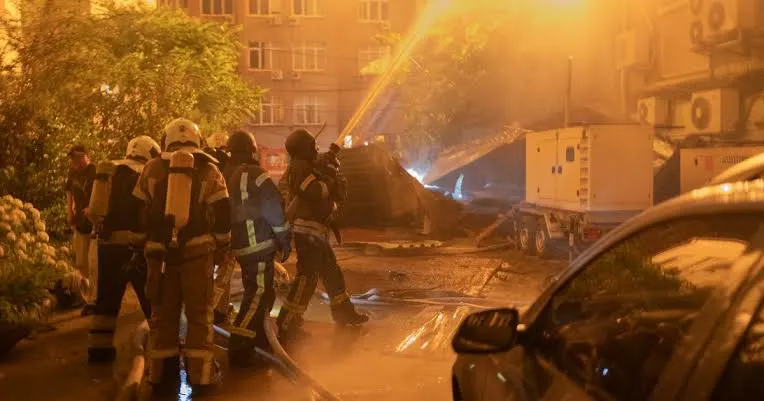
Days before that, a barrage of 656 drones and 73 missiles killed 22 people across Kyiv, Dnipro, Poltava, Kharkiv and Zaporizhzhia in a single night, with Ukrainian air defence intercepting only 40 missiles and 602 drones. The pattern is consistent: once or twice a week, large-scale strikes hit multiple cities, and the ballistic missile threat is what Ukrainian defences struggle with most.
Read More: YRF Spy Universe Just Changed Forever: Inside the Alpha Film Teaser with Alia Bhatt and Bobby Deol
Mistakes People Keep Making When Following This War
A common mistake is assuming every reported strike is equally destructive. Kyiv casualties vary wildly from strike to strike, from a two person death toll to attacks killing over twenty, depending on interception rates and target density. Another mistake is treating Ukrainian air defence systems as a fixed capability rather than a depleting resource. Analysts have repeatedly noted that supplies of interceptor missiles, especially for Patriot systems, are strained partly due to competing global demands, which directly affects how many missiles get stopped each time.
Pro Tips For Understanding This Conflict
Watch official casualty figures evolve over the first 24 hours rather than trusting earliest reports, since numbers from Kyiv officials typically rise as rescue operations continue. Pay attention too to what Ukraine requests from allies right after each strike, since these requests, usually for more Patriot interceptors or European-built air defence, tend to signal where the war's next pressure point will be. Following each Zelensky warning closely also helps, since his statements ahead of major strikes have proven consistently accurate this year.
Closing Thoughts
Four years into this war, a night like this one in Kyiv shouldn't still carry this much shock value, and yet it does. Every Russia missile attack on Ukraine, including this latest one, adds another layer to a conflict that shows no real sign of ending through negotiation anytime soon. Zelensky's own words this week were blunt: Russia is refusing to end the war despite unofficial channels signaling Ukraine's readiness to talk. Whether that changes depends on decisions being made far from any Kyiv metro station sheltering families tonight.
Disclaimer: This article is based on information available across the web. Parchar Manch does not take responsibility for its complete accuracy, as the content could not be fully verified.
FAQs
How many people died in the latest Russia missile attack on Ukraine?
At least eight people were killed and 34 injured in the July 2 Kyiv attack, according to city officials.
What weapons did Russia use in this strike?
A combination of ballistic missiles, cruise missiles and attack drones targeted Kyiv and several other Ukrainian cities.
Why can't Ukraine intercept every missile?
Ukraine's air defence systems, particularly Patriot interceptors capable of stopping ballistic missiles, remain in short supply relative to the volume Russia launches.
Did Zelensky know the attack was coming?
Yes, he cut short a visit to Dublin after receiving intelligence about a planned massive Russian strike and warned citizens in advance.
Is this the deadliest recent Russia missile attack on Ukraine?
No, an earlier June Russia missile attack on Ukraine killed 22 people across multiple cities in a single night, making this attack comparatively smaller in scale.