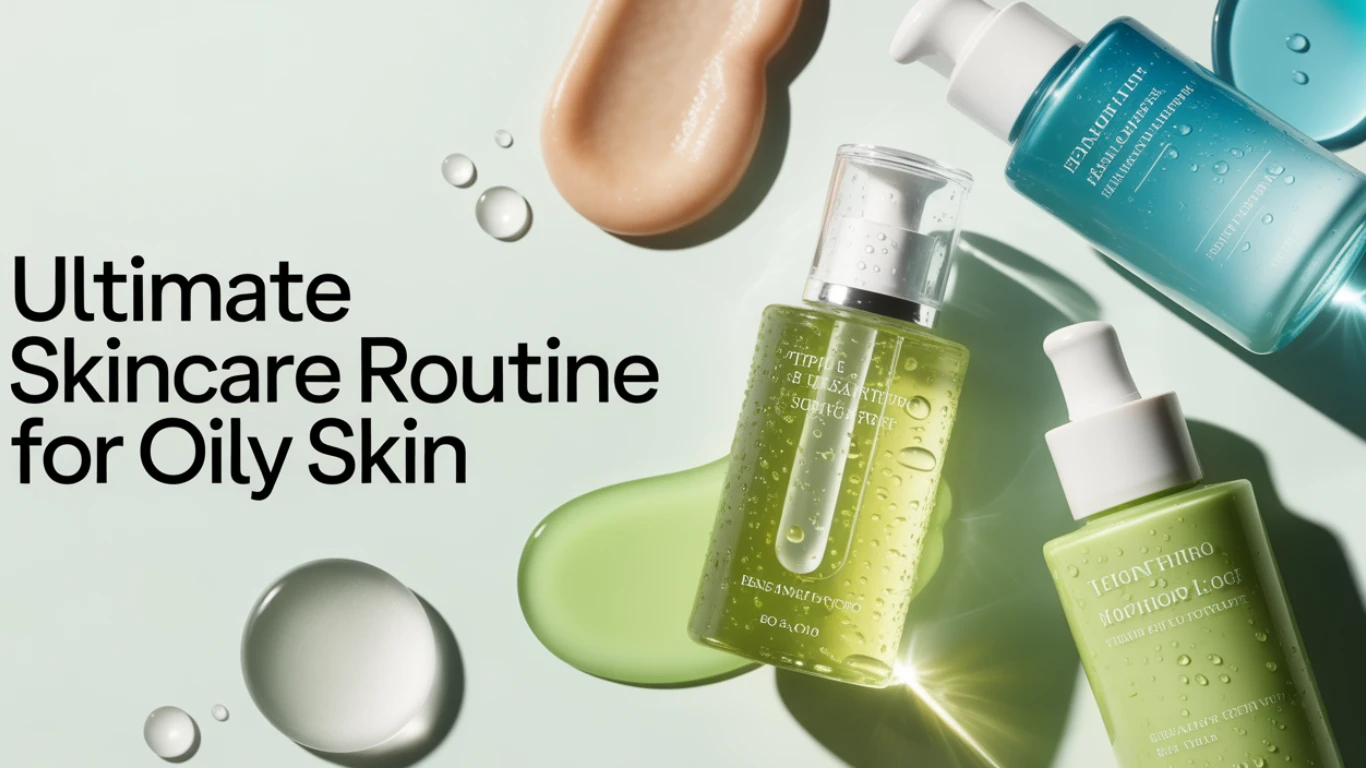
Skincare Routine for Oily Skin: Step-by-Step Guide for 2026
There's a specific feeling of frustration that manifests after 2 pm, and your face is showing the same shine. If you've lived with oily skin for any period of time, you are aware of this feeling. An effective skincare routine that addresses oily skin does not mean fighting the skin; it's about knowing how to deal with it.
Why a Skincare Routine for Oily Skin Actually Matters
Oily skin is blamed a lot. Clogged pores, breakouts, and shine are the first things everyone notices. However, oil itself, also known as sebum, isn't the cause of problems, but instead is the skin protecting itself. Problems arise when oil is mixed with dead cells residing within pores that are not cleared. This is why a regular treatment for acne-prone skin is essential, not just because oil is harmful and uncontrolled, but because oil that is not properly managed creates the perfect environment for the appearance of acne-prone skin issues. It is also an effective routine that addresses oily skin issues that start to show up in the early hours.
What Oily Skin Really Is, Explained Simply
Think of your skin as a tiny factory that never stops working. Sebaceous glands are constantly producing oil, and some are more efficient than others. Genetics are a factor in this, as are hormones, humidity, and stress. A harsh cleanser can strip skin and trick it into producing more oil. The thing that most people don't realise is that a successful skincare routine to treat oily skin results in softer skin than you expected, and not harsher.
Building a Skincare Routine for Oily Skin, Step by Step
1. Begin with the correct cleansing product. Finding the most effective face wash that is suitable for skin with oily pores is the first place that most people make a mistake. A gel- or foaming cleanser containing salicylic acid can clear pores without drying. Skip bar soaps; they're too harsh. The most effective cleanser for your oily face will leave your face feeling clean and not tight. Choosing the most suitable cleanser for your oily skin early sets the tone for each subsequent step.
2. Do not miss toner. A lightweight, alcohol-free toner can help balance the pH of your skin after cleansing. Witch hazel and niacinamide are both worth looking up here.
3. Treat more than just moisturise. This is where non-comedogenic products are essential, as everything that clogs pores will reverse earlier steps. Choosing serums made from authentic non-comedogenic products is just as important as the product itself. Zinc or niacinamide regulates oil slowly, not in a single day.
4. Moisturising: even oily skin requires this. Skipping moisturiser is one of the most common errors people make. An oil-control moisturiser that is light and gel-based will hydrate your skin without adding grease. Choosing an oil-control cream that is part of authentic non-comedogenic products implies that it will not block your pores and is usually the most important part of an effective treatment for acne-prone skin.
5. Always apply sunscreen. A mattifying sunscreen that is part of the same family of products that are not comedogenic completes this cleansing routine for oily skin without the heavy, oily, greasy feel that oily skin types fear the most.
Read more: Skincare Tips for Oily Skin 2026: How to Prevent Acne and Excess Shine
Real World Examples That Make It Click
Someone who is managing the skincare needs of acne-prone skin and switches to an easy cleanser, such as one that is rated as the most effective face cleanser suitable for oily skin, is often able to notice fewer breakouts over the course of weeks. It's not overnight, but it's due to the fact that the regimen for cleansing oily skin has stopped triggering excessive oil. Another scenario that is commonplace: applying a heavy moisturiser designed for dry skin and trying to figure out why their pores remain blocked. Making the switch to an oil-control moisturiser specifically designed for their particular skin type usually will fix the issue within a few days.
Mistakes People Keep Making, and Why
The biggest issue is with cleansing your face, washing it at least three times a day, thinking that it will control oil. This backfires, removing skin and inducing more oil. Another blunder is not using moisturisers out of fear that it will cause more harm, but it won't, at least not with the oil control cream specifically designed for oily skin. Some people will also buy anything advertised "for acne" without checking that it's a genuine non-comedogenic product, which is more important than the product's marketing.
Pro Tips That Actually Help
If your routine of cleansing your oily skin is stalled, try introducing actives slowly, one at a time, to see what's effective. Clay masks that are applied once or twice a week will help to absorb excess oil without damaging the barrier. If you are managing skin care for acne-prone skin in addition to general oiliness, combine niacinamide and salicylic acid. They collaborate, not against one another. A trustworthy top face wash that is suitable for treating oily skin is a must too.
Closing Thoughts
The oily skin type isn't an issue to be fixed. It is an element of your skin to be aware of, regardless of whether you're suffering from normal oiliness or continue to use skin care for acne-prone skin issues. Once you've stopped fighting it the way you do, the regimen for skincare to treat oily skin will become not as much about controlling it and is more of a matter of the balance.
Read more: Skincare Routine for Glowing Skin 2026: Step-by-Step Guide for All Skin Types
FAQs
How do I choose the most effective face cleanser that is suitable for skin with oiliness?
A gel or foam cleanser that contains salicylic acid or benzoyl peroxide, gentle enough for everyday use, is the best choice.
Do oily skins still require a moisturising cream?
Yes, always. Avoiding it can make the skin oily as it compensates by producing additional sebum. That is why the need for a lotion that controls oil is not a negotiating point.
How can I tell whether a product is non-comedogenic?
Check the label. The brands that manufacture non-comedogenic products provide clear information and imply that the formula is not likely to block pores.
What makes an oil control-based moisturiser distinct from a normal moisturiser?
Yes. An oil control moisturising cream is a gel-based product that is lightweight and designed to mattify and hydrate while also moisturising.
What is the time frame before a routine of skincare for oily skin outcomes?
Most people notice improvements within the first 4 to 6 weeks of following a routine for skincare regimens to treat oily skin because the turnover of skin cells is a process that takes time.
Does diet affect skincare for acne-prone skin
It can. Foods high in dairy and sugar can be connected to breakouts in some, although results may differ, and that's the reason the skincare regimen for acne-prone skin is a matter of personal preference.