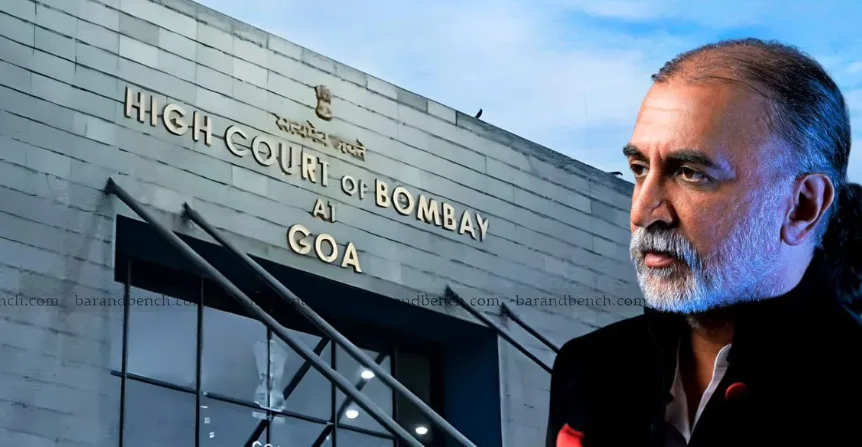
Tarun Tejpal Case: Bombay High Court Convicts Tehelka Founder in 2013 Sexual Assault Case
More than a decade after the allegations first surfaced, the Tarun Tejpal case has taken a significant legal turn. The Bombay High Court's Goa bench has convicted Tehelka magazine founder Tarun Tejpal in connection with the 2013 sexual assault case, bringing renewed attention to one of India's most closely followed MeToo-era legal battles.
Background of the Tarun Tejpal Case
The Tarun Tejpal case dates back to 2013, when a young colleague at Tehelka magazine accused Tejpal of sexually assaulting her during a work event in Goa. The allegations led to his arrest, a lengthy trial, and years of legal proceedings that drew national attention to issues of workplace safety and accountability for powerful media figures.
In 2021, a trial court in Goa had acquitted Tejpal, a verdict that was challenged by the Goa government and the complainant, leading the matter to the Bombay High Court. The appeal proceedings in the Tarun Tejpal case have since been closely watched by legal experts, journalists, and women's rights advocates across the country.
The Bombay High Court's Verdict
In its latest ruling, the Bombay High Court at Goa has convicted Tejpal, overturning the earlier trial court acquittal. This development in the Tarun Tejpal case marks a major shift after years of legal back-and-forth, and it is expected to have significant implications for how such high-profile cases are handled by appellate courts in India.

Legal observers note that the Tarun Tejpal case verdict reinforces the importance of appellate review in cases involving sexual assault allegations, particularly where initial trial court judgments face significant public and legal scrutiny.
Read More: Himanta Biswa Sarma Resigns as Assam CM: What Comes Next and Why This Moment Is Bigger Than It Looks
Reactions to the Verdict
The verdict in the Tarun Tejpal case has drawn strong reactions from various quarters, including women's rights organizations who have long viewed the case as a benchmark for workplace safety and accountability in India. Journalists and media watchdog groups have also weighed in, given Tejpal's prominent role in Indian media as the founder of Tehelka.
Tejpal's legal team is expected to explore further legal options, including a potential appeal to the Supreme Court, following the Bombay High Court's decision in this closely watched Tarun Tejpal case.
Why This Case Continues to Matter
The Tarun Tejpal case has become emblematic of broader conversations in India around workplace harassment, the credibility of internal complaint mechanisms, and the justice system's handling of high-profile sexual assault allegations. Its outcome is likely to influence public discourse on these issues for years to come.
Conclusion
With the Bombay High Court's conviction, the Tarun Tejpal case has entered a new and pivotal chapter after more than a decade of legal proceedings. As the matter potentially moves toward further appeal, it remains one of the most significant sexual assault cases in recent Indian legal history.
Read More: Alia Bhatt at Cannes 2026: Every Custom Gown, Indian Detail, and Viral Moment Explained
FAQs
What is the Tarun Tejpal case about?
The Tarun Tejpal case involves allegations of sexual assault made by a colleague against Tehelka magazine founder Tarun Tejpal during a 2013 event in Goa.
What did the Bombay High Court rule in the Tarun Tejpal case?
The Bombay High Court at Goa convicted Tarun Tejpal, overturning an earlier acquittal by the trial court.
What happened in the original trial court verdict?
In 2021, a Goa trial court had acquitted Tejpal, a decision that was subsequently appealed by the state government and the complainant.
Can Tarun Tejpal appeal the High Court's decision?
Yes, Tejpal's legal team is expected to consider further legal options, including a possible appeal to the Supreme Court.
Why is the Tarun Tejpal case significant in India?
The case has become a landmark example in discussions around workplace harassment, sexual assault accountability, and the Indian judicial process.