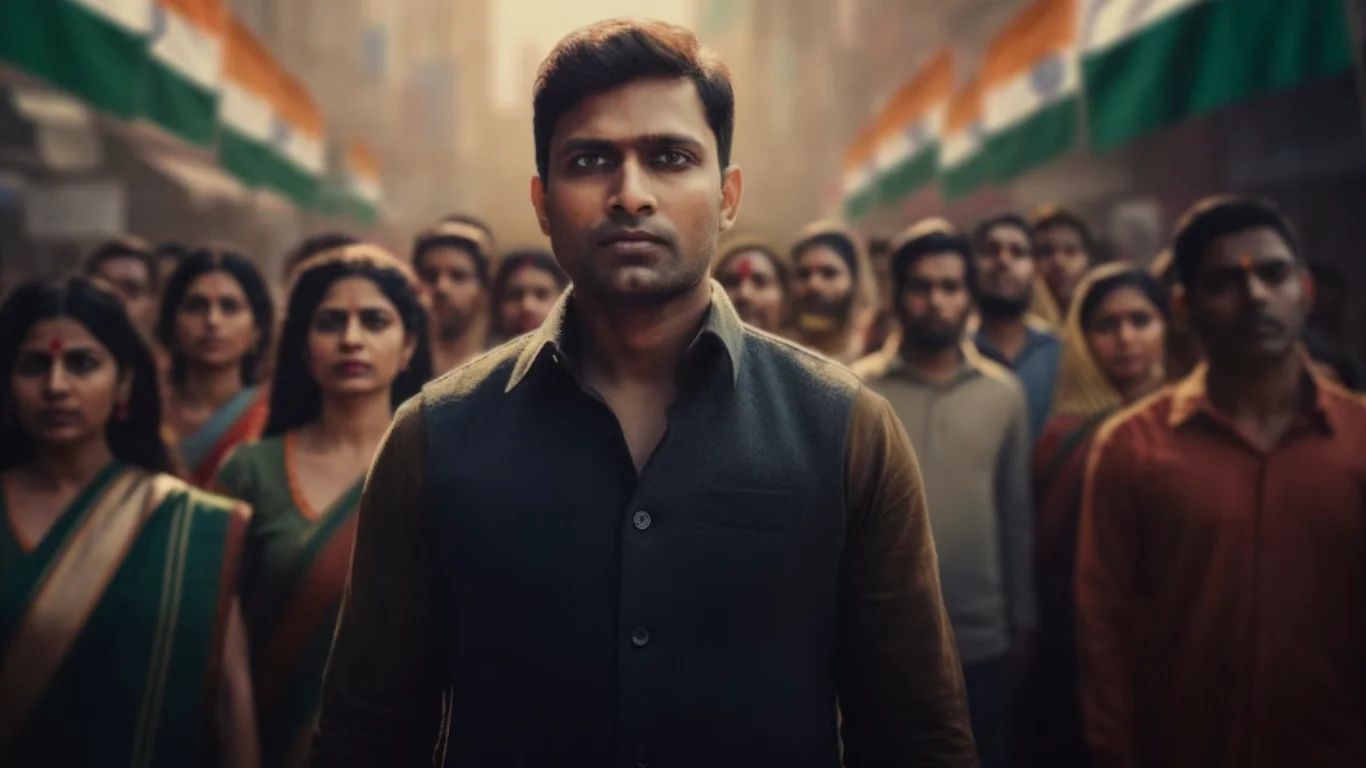
Top Human Rights India Issues and How Citizens Can Make a Difference
Human rights , the basic freedoms and protections every person should enjoy , are central to how societies function. In Human Rights India, these rights are guaranteed by the Constitution and by laws meant to protect individuals from injustice and discrimination. But, in real life, many people still face
serious challenges: unfair treatment, violence, discrimination, lack of justice, and weak protection in daily life. When we talk about Human Rights India, we are really talking about people’s dignity, their safety, and the respect they deserve as human beings.
This article explores the most pressing Human Rights India issues today with clarity and simplicity so that anyone can understand them. It explains the problems, looks at real examples, and discusses how everyday citizens , not just lawyers or activists , can make a difference.
We’ll break down the key rights concerns, legal protections, how enforcement works, and how awareness and action matter. By the end of this article, you will understand the current situation in India and know exactly how to be part of positive change.
Understanding Human Rights India: What It Means
At its core, Human Rights India refers to the basic freedoms and protections that every person in India is entitled to , regardless of caste, religion, gender, language, or region. These include the right to life and liberty, freedom from discrimination, freedom to practice religion, freedom of expression, and more. These rights are rooted in the Indian Constitution and international agreements that India is part of, such as the Universal Declaration of Human Rights.
Human rights also include broader concepts like social justice, equal opportunity, protection under the law, and the ability to live with dignity and safety. When these rights are violated, it affects individuals and weakens the moral fabric of society. Problems that occur when rights are ignored are issues like discrimination, violence, lack of fair investigation, and weak law enforcement protection.
Key Human Rights Issues in India Today
In recent years, Human Rights India has come up in public debates, court cases, international forums, and media coverage. Some of these issues have deep impacts on society and require urgent attention.
1. Violence Against Minorities and Social Inclusion Challenges
Several reports and observations in Human Rights India highlight the rise in attacks and discrimination against religious and ethnic minorities. Some international human rights groups and United Nations mechanisms have expressed concern about the treatment of minorities and critics, and have urged that all citizens’ freedoms be respected equally.
One tragic incident that drew nationwide attention was the lynching of a young man from Tripura, Angel Chakma, in Dehradun in late 2025, where he was targeted with racial slurs before being fatally stabbed. The case highlighted how deeply rooted prejudice against people from India’s northeastern states can turn into deadly violence.
Issues like these show how Human Rights India must actively protect vulnerable communities from discrimination and violence , not just promise protections on paper.
2. Enforcement of Legal Protections and Police Accountability
Human rights depend greatly on how well the law is applied. Police, judiciary, and government authorities have responsibility for enforcing rights. However, there are cases where poor enforcement or negligence harms citizens’ rights.
For example, the National Human Rights Commission (NHRC) recently summoned a police commissioner in Noida for failing to pursue legal action in a child’s death case, where police had closed the case after a monetary settlement. The NHRC stressed that private compensation cannot replace justice when a life is lost, as that erodes public trust in law enforcement.
Also, courts have been reinforcing rights in unexpected ways , like a High Court decision that every prisoner has the right to periodical medical check‑ups, especially for those with disabilities, emphasising that life and dignity do not stop behind bars.
These examples show why legal protection and fair enforcement are cornerstones of Human Rights India.
3. Uneven Application of Justice and Legal Remedies
A common critique in Human Rights India is that some people receive better access to justice than others. Urban centres, wealthy communities, and those with influence often get quicker legal responses, while marginalised communities struggle for fair treatment.
Data from some states show rising complaints of rights violations, but very few receive meaningful compensation or justice. For instance, in Bengaluru alone, thousands of rights grievance cases were registered over two years, but only a small number received compensation, raising concerns about whether victims receive timely justice and remedies.
This gap between reporting and justice is a severe human rights concern and often discourages people from speaking up.
4. Law Enforcement Powers and Rights During Security Operations
Human rights groups and international experts have raised concerns about some state actions, especially in areas with security operations. For example, in regions like Jammu and Kashmir, reports by UN experts have pointed out that counter‑terrorism measures, including prolonged detention without charge, sometimes violate basic rights protections.
This does not mean that security is unimportant, but that Human Rights India must balance preventing violence with protecting individual liberties and due process , a delicate and important balance in a democratic society.
5. Freedom of Expression and Protection of Activists
Freedom to speak, protest, and criticise authorities is a human right. Yet, there are incidents where human rights defenders , activists speaking up for others’ welfare , are detained or face legal pressure. In some recent cases, international organisations and lawyers have called for the release of activists held for non‑violent advocacy, arguing that defending rights should be respected by law.
Event platforms like international summits , such as the India AI Impact Summit 2026 , have been criticised for not securing binding human rights safeguards when discussing technology, especially when systems like AI can affect fundamental rights like privacy, fairness, and freedom.
These debates show that Human Rights India includes modern challenges as technology and governance evolve.
Legal Framework and Safeguards for Human Rights
India’s Constitution is a powerful document protecting rights. Fundamental rights like the right to equality, the right to life and liberty, freedom of speech, freedom of religion,
Read More: Exciting Scientific Discoveries in India That Could Change Technology and Medicine
and protection from discrimination are guaranteed for all citizens. These rights form the foundation of Human Rights India. In addition to constitutional protections, there are legal institutions like:
- National Human Rights Commission (NHRC): An independent statutory body that investigates human rights violations and makes recommendations.
- High Courts and Supreme Court: They enforce constitutional protections and rule on rights‑based petitions.
- Statutory Acts: Various laws protect rights related to labour, children, women, disability, and more.
Even though laws exist, enforcement and actual protection often depend on public awareness and the willingness of authorities to act.
Challenges in Promoting Human Rights
Discussions around Human Rights India often highlight several structural challenges:
- Social attitudes and discrimination: Social prejudices based on caste, religion, region, gender or language continue to influence behaviour, leading to violence and discrimination.
- Delayed justice: Courts and commissions sometimes face backlogs and limited staff, causing slow justice delivery.
- Weak enforcement: Even when violations are identified, authorities may delay or avoid proper action.
- Lack of awareness: Many citizens still do not know their rights or how to seek help when their rights are violated.
These challenges do not diminish the importance of human rights , they highlight where improvements are needed and how Human Rights India is a continual effort, not a destination.
How Citizens Can Make a Difference
While the government and courts have roles in protecting rights, citizens also play a powerful part in building a rights‑respecting society. Here are ways ordinary people can make a real difference:
- Raise public awareness: Talk about rights with family, friends, and community. Awareness creates understanding and shared responsibility.
- Support victims: When someone faces discrimination or injustice, respectful support and helping them file complaints can make a difference.
- Participate in peaceful activism: Join or support initiatives that advocate for rights, equality, and justice.
- Engage with institutions: Write to local leaders, attend public hearings, or submit grievances to human rights commissions.
- Educate yourself and others: Learn about legal protections and how to use them , a rights‑informed individual can exercise and enforce those rights effectively.
Citizens’ actions, when multiplied across communities, help reinforce Human Rights India as a living reality and not just words in law books.
Current National and International Responses
On the international stage, India continues to participate in human rights discussions. Recently, India presented its perspective and rebutted criticism at the United Nations Human Rights Council (UNHRC) session, showing that human rights issues are also part of international diplomacy.
At home, the National Human Rights Commission has taken steps such as organising conferences on transgender rights and pushing authorities to investigate avoidable deaths, showing that institutions are active, though progress is gradual.
Such engagements reflect that Human Rights India is not static , it evolves through debate, legal rulings, activism, and policy discussions.
Conclusion
Human Rights India is a topic that runs deep into the heart of society , touching how people live, work, express themselves, and interact with power. From violence against minorities and discrimination to challenges in law enforcement and freedom of expression, human rights concerns in India are multiple and complex. Yet, these challenges also open doors for action, reform, and citizen engagement.
Understanding rights, learning about legal protections, and participating in peaceful advocacy bring power back to the people. Human rights do not exist in isolation , they grow when individuals and communities stand together to defend dignity, fairness, and justice.
Citizens can educate themselves, support victims, hold authorities accountable, and work with institutions like the National Human Rights Commission to reinforce rights every day.
The path of Human Rights India is a long journey, but it is one built by daily choices , choices to respect others, to speak up when injustice occurs, and to create a culture where rights are not just respected on paper but lived in practice. When citizens play their part, human rights become more than a slogan , they become a lived reality for everyone across the country.
Read More: Top Career Guidance Tips for Indian Students to Choose the Right Colleges and Jobs
FAQs
What is Human Rights India, and why is it important?
Human Rights India refers to the basic freedoms and protections every person in India should enjoy, such as liberty, equality, and dignity. It is important because it ensures that individuals are protected from injustice and discrimination, creating a fair and just society for all.
What are some current human rights challenges in India?
Some current human rights challenges include discrimination against minorities, violence rooted in prejudice, uneven access to justice, and concerns over law enforcement practices where rights may sometimes be overlooked. These issues affect the daily lives of many and show where improvements are needed.
How do legal institutions protect human rights in India?
Legal institutions like the National Human Rights Commission and the courts enforce constitutional rights, investigate violations, and guide authorities to act. They provide mechanisms for complaints, legal remedies, and public accountability that strengthen Human Rights India in practical ways.
Can citizens play a role in improving human rights?
Yes , citizens can raise awareness, support victims, engage in peaceful activism, educate themselves and their communities, and work with institutions to reinforce rights. Collective citizen action makes human rights protections more effective and meaningful in daily life.
What recent updates reflect human rights concerns in India?
Recent updates include debates at the United Nations Human Rights Council, NHRC actions demanding accountability for negligence, and public discussions on protecting civil liberties in modern contexts such as technology and security operations. These show ongoing dialogue and efforts to address human rights concerns.