
Trade Agreements 2026: India’s Expanding Global Market and What It Means for Growth
In 2026, India stands at a turning point in the global economy, reshaping its bilateral trade relations and unlocking new opportunities for economic growth. The year has seen decisive actions on multiple trade fronts, with India finalising or preparing major pacts with international partners.
These developments are influencing export-import policies, opening markets for Indian goods and services, and affecting how Indian companies do business around the world.
But what are the latest trade agreements for 2026? How will these deals impact Indian markets? And what opportunities and challenges lie ahead for businesses, farmers, and workers? In this article, we explain in clear, simple language what you need to know , step by step.
Before diving deeper, it’s important to understand that trade agreements are tools used by countries to reduce tariffs (taxes on imports and exports), encourage investment, and build economic cooperation. For India, these agreements are meant to boost growth, create jobs, and strengthen ties with global partners.
Why Trade Agreements Matter in 2026
Trade agreements have never been just paper deals. They shape how countries buy and sell goods, share technologies, and create economic rules. For a fast-growing economy like India’s, trade pacts are vital for several reasons:
- They reduce taxes and barriers on Indian products entering foreign markets, making exports cheaper and more competitive.
- They attract foreign investment by giving companies confidence that rules will not suddenly change.
- They help Indian businesses enter new markets and create jobs at home.
- They improve cooperation on technology, services, and talent exchange.
- They shape long-term economic policies and influence sectors such as manufacturing, agriculture, and services.
With the global economy shifting and new supply chain alliances forming, trade agreements in 2026 are more important than ever. India is engaging with partners from all major regions , the United States, the European Union, the Gulf Cooperation Council, and others.
Major Trade Agreements 2026 Involving India
Below are key trade agreements 2026 developments that are shaping India’s global economic footprint:
1. India–EU Free Trade Agreement (FTA)
In January 2026, India and the European Union concluded a historic Free Trade Agreement , one of the largest the country has ever negotiated.
This deal aims to reduce nearly all tariffs between India and the EU over time, opening access to a market that represents a huge share of global economic activity. Under this agreement:
Read More: How Political Party Developments in 2026 Influence Policy Decisions and Voter Behaviour
- Indian goods such as textiles, leather, gems, jewellery, machinery, and pharmaceuticals are expected to gain preferential access to EU markets.
- EU products such as machinery, medical equipment, and food items will enter India with lower tariffs.
- The pact will also facilitate easier movement of services, investment cooperation, and stronger economic ties.
- It is one of the most significant examples of India expanding its international trade footprint by embracing global markets.
Overall, this agreement is seen as a major step toward economic growth and a strategic partnership with the EU.
2. India–United States Interim Trade Deal
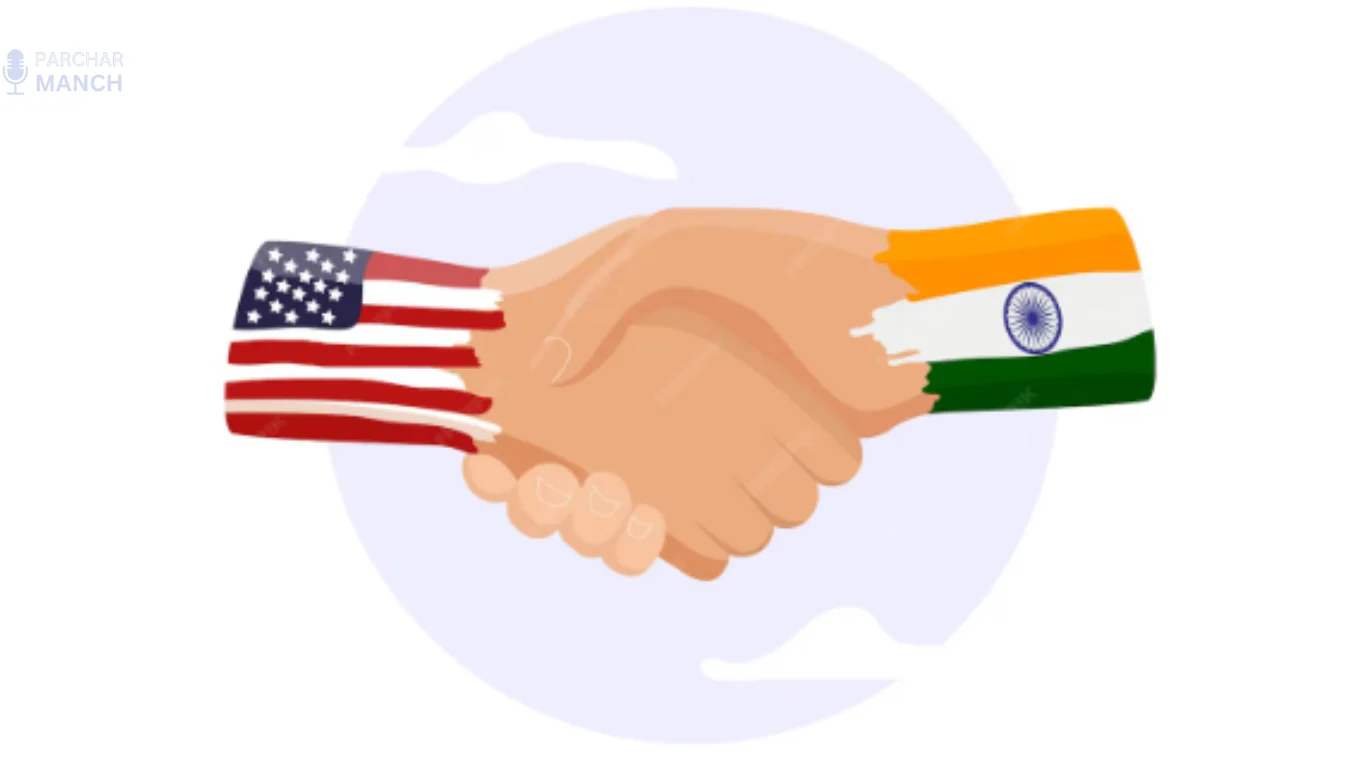
Another headline trade agreement 2026 involves India and the United States. Both countries signed an interim trade deal that is expected to be operational by April 2026.
Key features include:
- A reduction in U.S. tariffs on Indian exports will make many products cheaper to sell in the American market.
- Removal or reduction of specific reciprocal tariffs that had been imposed earlier.
- Indian goods such as textiles, machinery, leather, sports goods, furniture, and other products stand to benefit significantly.
- Sensitive agricultural items (like rice, dairy, and sugar) are mostly excluded to protect Indian farmers.
This trade agreement is considered an important boost for bilateral trade and may increase exports and jobs.
3. Gulf Cooperation Council (GCC) Joint Statement
On February 24, 2026, India and the Gulf Cooperation Council (GCC) , which includes countries like Saudi Arabia, UAE, Qatar, Kuwait, Oman, and Bahrain , signed a Joint Statement to initiate a Free Trade Agreement.
This is an important regional agreement and will help strengthen trade, investment, and energy cooperation between India and the Gulf region. The GCC is a key partner in energy supplies and infrastructure investments, making this deal strategically significant.
4. Nine FTAs Covering 38 Nations
India’s Commerce Minister announced that the country has concluded nine free trade agreements covering 38 nations, which gives Indian businesses preferential access to nearly two-thirds of the world’s markets.
This includes existing agreements with:
- Countries like Australia, the UAE, the UK, and New Zealand.
- The newly signed EU agreement.
- Ongoing and upcoming negotiations with countries like Chile and Canada.
- These agreements help Indian exporters, services firms, and talent access global markets more easily.
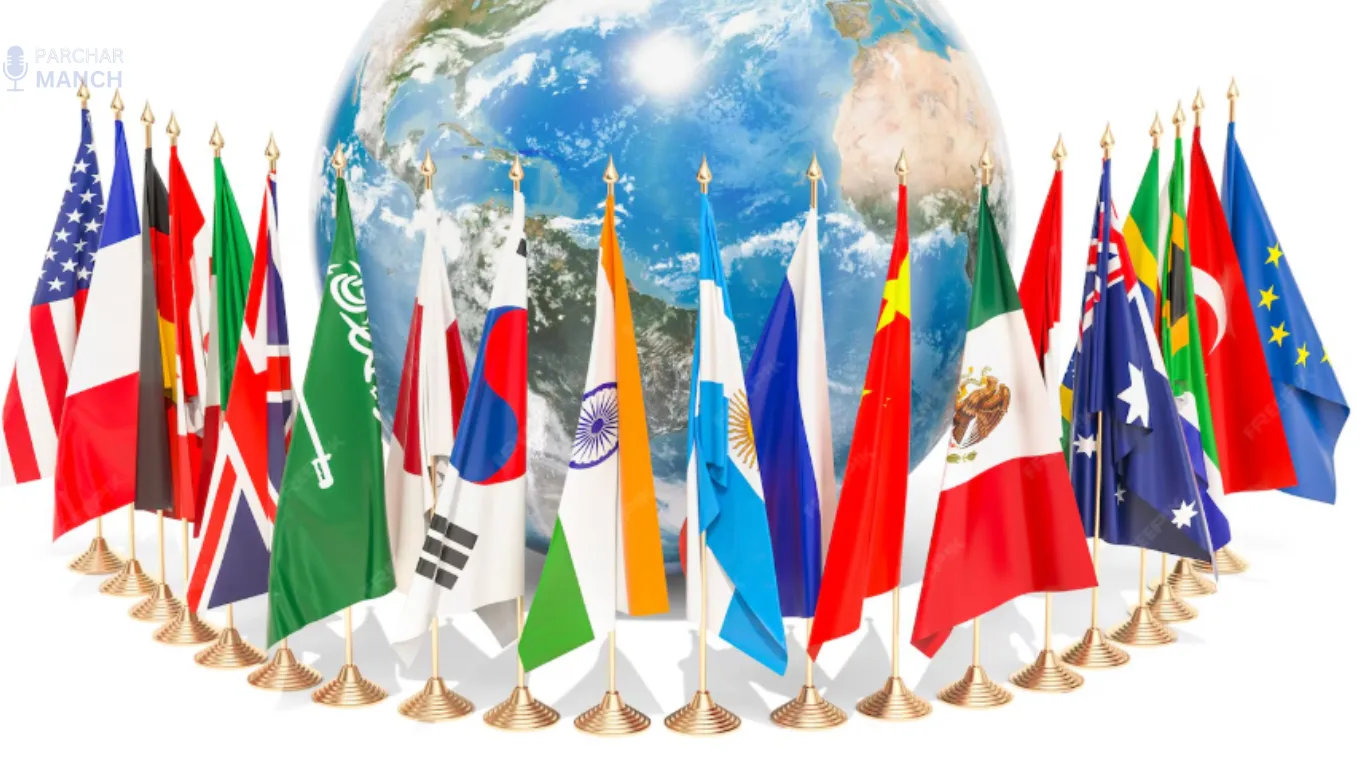
Overall, this collection of agreements represents a significant shift toward greater global integration and export opportunities.
Opportunities from Trade Agreements 2026
These trade agreements bring a wide range of opportunities for India:
• Expansion of Indian Exports
With reduced tariffs and better market access, Indian exporters can sell goods at competitive prices abroad. Previously protected by higher tariffs, Indian products now face fewer barriers.
• Increased Foreign Investment
Global companies are more likely to invest in India when trade rules are clear and predictable. This could lead to more job creation and economic activity.
• Boost to Services Sector
Many trade agreements also cover services, allowing Indian professionals to work abroad or offer services remotely across borders. This creates new job prospects and talent exchange opportunities.
• Stronger International Partnerships
Trade agreements often go beyond simple tariff reductions and include cooperation on technology, standards, and infrastructure. These deeper partnerships can support long-term development.
• Growth for Small Businesses
For small and medium enterprises (SMEs), continued reduction in trade barriers opens doors to new markets. This can increase revenue streams and help these businesses compete globally.
• Diversification of Markets
Relying on only a few trading partners exposes the economy to risk. Through these agreements, India is diversifying its trade destinations, reducing dependence on any single market.
Challenges and Risks to Consider
No trade agreement is without its challenges. Even the latest trade agreements of 2026 come with potential concerns:
• Domestic Industries Facing Competition
Lower tariffs mean foreign products can also enter Indian markets more easily. Some domestic industries may struggle to compete without adequate government support.
• Sensitive Agricultural Concerns
Agricultural products are often excluded or limited in trade agreements to protect local farmers. While this shields farmers, it also limits export opportunities in those sectors.
• Implementation and Transition
The full implementation of agreements (especially with the EU) may take time and require changes in laws, regulations, and customs procedures on both sides.
• Impact on Policy Choices
Committing to trade standards and rules can limit a country’s flexibility in certain economic policies. Governments must balance openings with protections where necessary.
Conclusion
India’s trade agreements 2026 represent a major shift in how the country engages with the world economy. With historic deals like the India–EU Free Trade Agreement, the interim trade pact with the United States, and new agreements with the GCC and other nations, India is entering a broader phase of international partnerships that could reshape its export-import policies and drive economic growth.
These agreements open markets for Indian goods and services, creating new opportunities for businesses, workers, and investors. They also come with challenges, such as increased competition and the need to support sensitive sectors. Yet overall, these developments show India’s drive to connect with global markets, attract investment, and build new pathways for prosperity in a changing world.
Read More: Key Parliament Updates 2026: Bills Passed, Debates Held, and Policy Decisions Explained
FAQs
What are the major trade agreements of 2026 involving India?
In 2026, India has finalised or is operationalising several major trade agreements, including the India–EU Free Trade Agreement, an interim trade deal with the United States, a Joint Statement toward an FTA with the Gulf Cooperation Council, and multiple FTAs covering 38 nations. These agreements collectively aim to increase market access for Indian goods and services, reduce tariffs, and strengthen global economic ties.
How will these agreements benefit Indian exports?
The new trade agreements reduce taxes and trade barriers for Indian goods in foreign markets. Lower tariffs on Indian textiles, leather products, machinery, pharmaceuticals, and other sectors will make them more competitive internationally, helping businesses export more and grow their operations abroad.
Are Indian farmers affected by these trade agreements?
Yes, the agreements impact various sectors differently. Most trade pacts exclude sensitive agricultural products like dairy, rice, and wheat to protect local farmers. While this limits export opportunities for those specific goods, it ensures that domestic agricultural markets remain safeguarded despite greater international economic exposure.
What challenges can arise from these trade agreements?
Some Indian industries may face stronger competition from imported products as tariffs fall. Implementation challenges, such as adjusting policies and regulations to comply with agreement terms, can take time. Additionally, balancing economic openness with protecting local sectors remains an ongoing concern.
How do these trade agreements impact India’s position globally?
These agreements strengthen India’s role in the global economy by diversifying trade relationships, attracting foreign investment, and positioning the country as a key partner in international supply chains. By engaging with the EU, the U.S., Gulf countries, and others, India is expanding its economic network and solidifying strategic economic alliances.