Trump's 20% Strait of Hormuz Toll: Why the World's Oil Map Just Got Redrawn Overnight
There's a version of this story that reads like a headline and nothing more. Trump. Iran. A number: 20%. But sit with it for a second and it's stranger than that — a sitting U.S. president declaring, in essence, that the ocean now has a toll booth, and America is the one collecting.
That's the Strait of Hormuz toll in a nutshell. On July 13, 2026, President Donald Trump announced that the U.S. naval blockade of the strait is back on, and this time, ships passing through will be charged a fee. Twenty percent. Not of the ship's value. Of the cargo shipped through it.
Why This Actually Matters
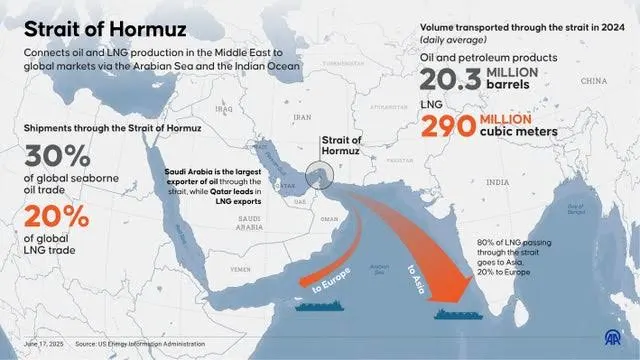
Here's the thing people miss when they skim past strait-of-Hormuz headlines: this isn't some far-off geopolitical footnote. It touches your gas tank. Roughly 20% of the world's oil and liquefied natural gas moves through this one narrow channel between Iran and Oman. Choke it, tax it, blockade it — and prices move. They already have. Oil jumped and stock indexes dipped the moment Trump's announcement hit the wires.
So if you've wondered why gas got a little more expensive this week, or why your news feed suddenly has "Hormuz" trending... this is why. The Strait of Hormuz blockade isn't background noise. It's the pipe the world's energy runs through, and someone just put a meter on it.
Read More: Israel Warns of New Iranian Plot to Assassinate Trump: What We Actually Know So Far
What It Really Is — Explained Simply
Think of the strait as a one-lane bridge that basically every oil tanker on Earth has to cross to get from the Persian Gulf out into open water. For decades, that bridge was free. International law says it should be — ships have a right to what's called "innocent passage."
What Trump proposed changes that arrangement, at least from the American side. In his own words, posted publicly, the U.S. will act as the "Guardian of the Hormuz Strait" — providing security, escorting vessels, keeping Iran's forces from disrupting traffic — and in exchange, will be "reimbursed" at a rate of 20% on all cargo shipped through. Iran, notably, isn't included in that "fair and open use" promise. Its ships remain blockaded.
Read More: Pokémon GO Fest 2026 Global Begins July 11, and For the First Time Ever, It Costs Nothing to Join
It's less a toll in the traditional sense and more a protection arrangement, according to maritime law experts who've weighed in since the announcement. One law professor at the U.S. Naval War College described it as closer to a paid convoy system — shippers can choose whether they want the U.S. escort and pay for it, rather than being forced to pay just to enter the waterway. That distinction, small as it sounds, is what keeps the idea from being flatly illegal under international maritime law.
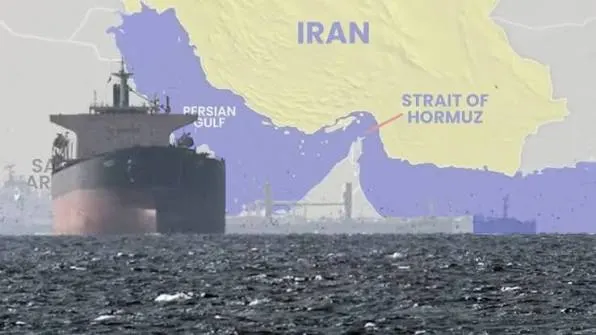
How the Hormuz Toll Would Actually Work
- Reimposed blockade first. U.S. forces resumed strikes on Iranian targets tied to the ongoing conflict, aiming to degrade Iran's ability to keep attacking shipping in the strait.
- The 20% charge applies to cargo, not the ship itself — so a tanker's crude oil, refined fuel, or containerized goods would carry the fee, likely folded into shipping costs and, eventually, consumer prices.
- Escort-based structure. Rather than a flat entry tax, the arrangement leans toward a "join if you want protection" model — vessels opting into a U.S.-guarded convoy would pay; others assume their own risk.
- Countries other than Iran are, per Trump's statement, meant to have continued open use of the strait — just now with a price tag attached if they want the security guarantee.
Read More: 2026 FIFA World Cup Round of 16 Bracket Is Set, and the Matchups Are Brutal
Real-World Examples
Picture a tanker carrying $50 million worth of crude, sailing from a Gulf port toward Asia. Under this proposed Iran shipping fees structure, if the fee applies, that's a potentially enormous surcharge, one that shipping companies would almost certainly pass along the supply chain, all the way to the price at the pump.
It's worth noting Iran has been doing something similar on its own end. Reports say Iran's parliament has approved fees on ships too, in some cases demanding payments running into the millions per vessel, funneled through a controlled corridor near Larak Island. So now you have two tolls, potentially, on the same eighty-mile stretch of water. That's not a small detail — that's the story.
Read More: Govinda's Lock Upp 2 Entry: Comic Timing Meets a Genuinely Tense Family Moment
Mistakes People Keep Making (And Why)
The biggest one: assuming this is simple. It isn't. People read "20% toll" and picture a straightforward tax, when really it's tangled up in maritime law, an active shooting conflict, and competing claims of sovereignty over the same waterway. Another common slip is assuming oil prices will just "go back to normal" once headlines fade — global oil trade doesn't reset that fast, especially with a live blockade in play.
Pro Tips That Actually Help
If you're trying to actually understand where this goes, watch two things closely: whether the ceasefire framework from mid-June (which explicitly barred Iran from charging fees) gets referenced again, and whether other nations start pushing back on the U.S. fee the way they've resisted Iran's. Also — track oil futures, not headlines. Futures move faster and tell you what traders actually believe, not just what politicians say.
Closing Thoughts
Maybe the strangest part of all this is how casually it was announced — a social media post, some capital letters, a number. And yet it could reshape how a fifth of the world's oil moves for months. Strange how the biggest shifts sometimes arrive dressed like an afterthought.
Read More: NASA Swift Telescope Rescue Mission: The Wild Plan to Grab a Falling Observatory Before It Burns Up
Disclaimer: This article is based on information available across the web. Parchar Manch does not take responsibility for its complete accuracy, as the content could not be fully verified.
FAQs
Is the Strait of Hormuz toll actually in effect right now?
As of the announcement, it's been declared by Trump, with the naval blockade reinstated — but the formal fee structure and enforcement mechanics are still being worked out.
Does this apply to all countries?
Trump's statement suggests all countries except Iran would retain access to the strait, with the fee tied to the U.S. security arrangement rather than blanket entry.
Is this legal under international law?
It's murky. If structured as a voluntary paid escort, experts suggest it could sidestep the usual restrictions on strait tolls. A mandatory entry fee would be a different, more legally fraught story.
Why does Iran matter so much here?
Iran controls much of the strait's northern shore and has already been charging its own transit fees, making this a two-sided standoff rather than a one-country policy.
Will this raise gas prices?
Likely, at least somewhat — oil already moved on the announcement alone, and any added cargo cost tends to filter down to consumers eventually.