Trump Called Off the Iran Strike , But the World Is Still Holding Its Breath
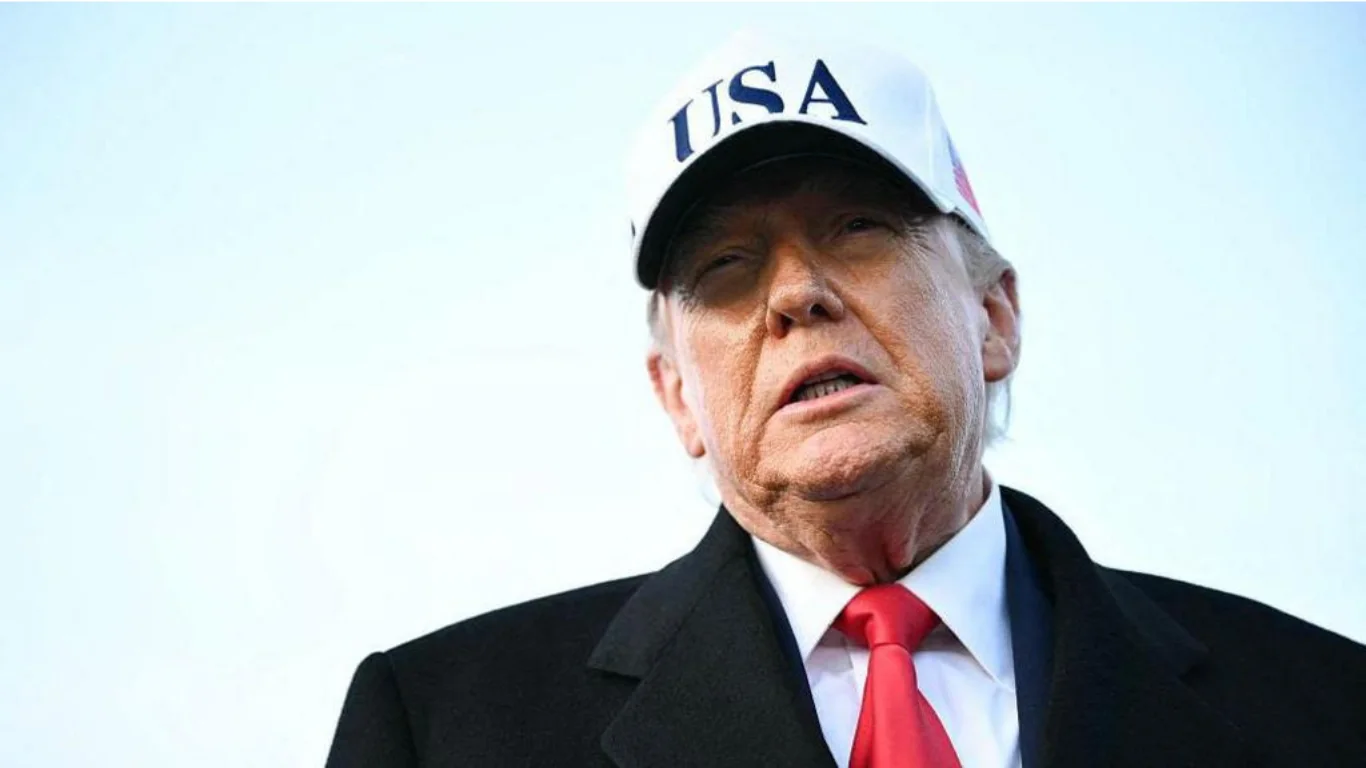
Trump's decision to pause a US military strike on Iran is one of those moments that feels deceptively quiet from the outside. A post on social media, a few words about "positive developments," and suddenly oil prices drop, gold steadies, and markets exhale. But underneath that brief calm, something much more consequential is being negotiated , and the world has every reason to pay close attention.
Here is what actually happened, why it matters, and what it signals about where the US-Iran standoff is heading.
Why Trump Paused the Iran Strike , And Why It Is Bigger Than It Looks
On May 19, 2026, multiple major news outlets confirmed that US President Donald Trump called off a scheduled military strike on Iran that had reportedly been set for that Tuesday. According to reports from BBC, CNN, Reuters, and Al Jazeera, the strike was postponed at the direct request of Gulf states , specifically allies in the Gulf Cooperation Council , who urged Washington to give diplomatic channels more time.
Trump himself acknowledged the decision, describing it as a pause to allow for what he called "serious negotiations." He also signaled optimism, saying there was a "very positive development" in talks with Iran and even a "good chance" of a nuclear deal materializing.
That last part is significant. The phrase "good chance" from Trump is not a throwaway line in this context. It follows weeks of escalating tension that had already driven crude oil prices to elevated levels and sent gold markets into defensive mode.
What Was Actually at Stake: The Iran Nuclear Standoff Explained Simply
If you have not been tracking this closely, here is the core of the situation. Iran and the United States have been locked in a standoff over Iran's nuclear programme for years. The disagreement is essentially this: the US and its allies believe Iran is pursuing nuclear weapons capability; Iran insists its programme is peaceful. Talks aimed at reviving the 2015 nuclear deal , the JCPOA , have limped along through multiple administrations with no lasting resolution.
Now add a new layer. Reports cited by Hindustan Times and India Today indicated that US and Israeli forces had been preparing to resume strikes "as early as this week," targeting Iranian nuclear and military infrastructure. A drone strike had already reportedly hit the UAE's Barakah nuclear plant, with the IAEA confirming power disruption before restoration.
This is not abstract geopolitics. The Strait of Hormuz, through which roughly 20 percent of the world's oil supply passes, sits right in the middle of this. Any military escalation involving Iran directly threatens global crude oil supply chains, energy prices, and by extension, the cost of almost everything.
Read More: Why China’s Wang Yi Is Skipping the BRICS Delhi Meet — And What It Signals for Global Diplomacy
How the Gulf States Changed the Calculus
Here is the part that does not always get enough attention. The Gulf states , Saudi Arabia, UAE, Qatar , are not passive observers in this conflict. They are active participants with enormous strategic stakes. These countries sit closest to any potential conflict zone. Their economies depend on regional stability. And they have leverage with Washington.
When Gulf leaders reportedly appealed directly to Trump to hold off on the strike, they were essentially telling him: a deal is possible, give it a moment. Trump listened. Whether that reflects genuine diplomatic momentum or simply a tactical delay remains unclear. But the fact that the request worked tells you something about how seriously the White House is weighing the cost of military action right now.
Trump also shared what reports described as unusual social media posts , images of a Gulf map with an American flag overlay, alongside explosion imagery , which analysts read as part of a pressure campaign rather than actual military intent.
The Real-World Impact: Markets, Oil, and What Investors Are Watching
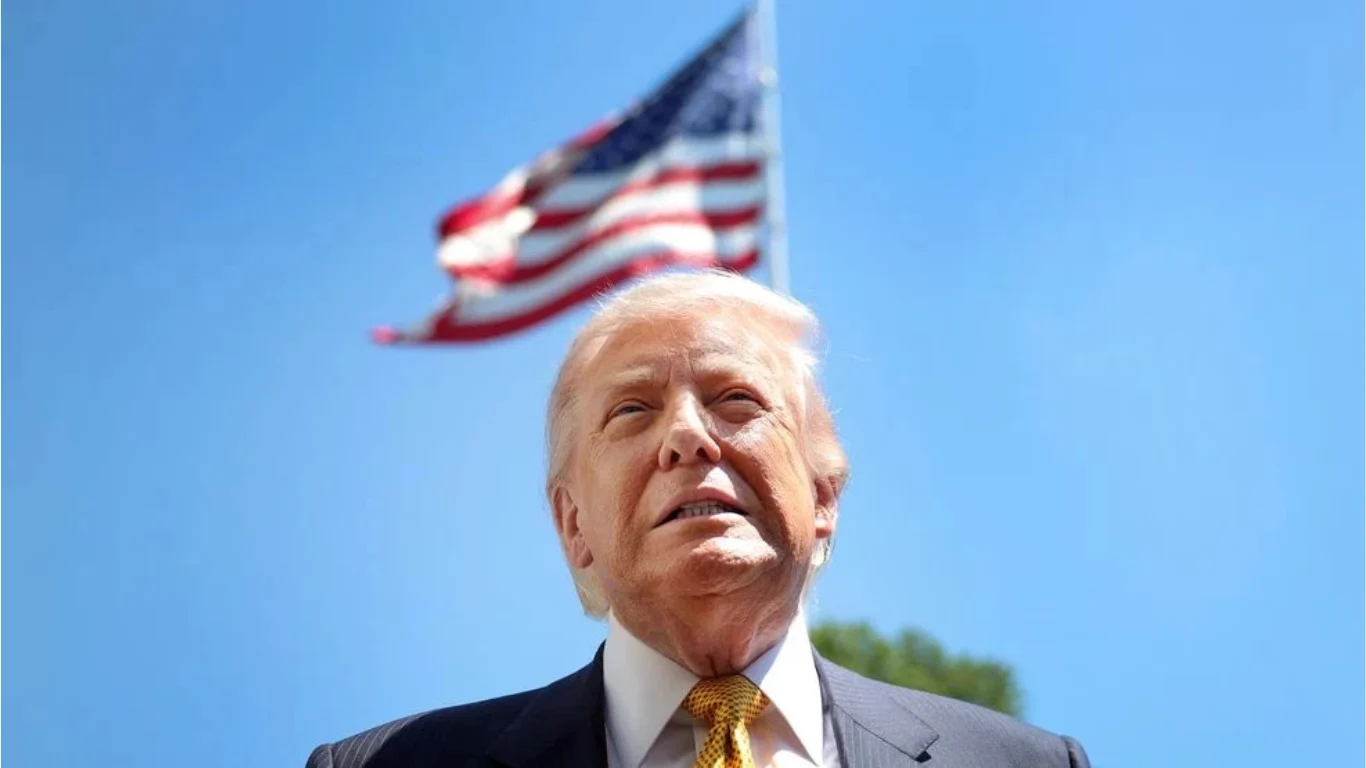
The financial reaction to Trump's announcement was immediate. According to Upstox and CNBC reporting, crude oil prices hovered around $109 per barrel as the news broke, while gold moved modestly upward before steadying. Asian markets traded broadly higher, responding to the relief that a direct US-Iran military confrontation had been pushed back, at least temporarily.
Mint reported that silver prices in India held steady as investors recalibrated risk exposure. These are the ripple effects that connect a geopolitical decision made in Washington to a market in Mumbai or a petrol station in Rohtak.
For investors and everyday citizens alike, the Iran-US nuclear standoff is not a distant news story. It is directly tied to energy costs, inflation, and supply chain stability across Asia and beyond.
Mistakes People Make When Reading This Kind of News
The first and most common mistake: treating a pause as resolution. Trump did not announce a peace deal. He announced a delay. The US military, per CNN's reporting, was explicitly told to remain "ready on a moment's notice." This is not de-escalation. This is a suspended escalation.
The second mistake is ignoring what Iran actually wants. Iran has not signaled capitulation. Its position on its nuclear programme has been consistent. Any deal would require concessions from Washington , including sanctions relief , that have proven politically difficult to deliver.
The third mistake is underestimating how fast this can change. Trump's foreign policy has a well-documented pattern of sharp reversals within the same news cycle. The New York Times noted, quite pointedly, that he threatened Iran and then pulled back , all in the same day.
What Actually Happens Next: Realistic Scenarios
If talks succeed, a limited agreement could freeze parts of Iran's nuclear programme in exchange for some sanctions relief. This is the optimistic path. Markets would rally, oil would stabilise, and the region would get a fragile but functional peace.
If talks collapse, a military strike becomes more likely , not less. A failed negotiation that Iran is seen to have rejected would give the US and Israel political cover for action. That scenario would spike oil prices, create significant volatility in emerging markets, and complicate global trade flows through the Gulf.
The middle scenario , and historically the most probable , is neither. Talks drag on inconclusively. Tensions simmer. Occasional flare-ups make headlines. Markets price in a risk premium that never fully resolves.
Pro Tips for Staying Informed Without Getting Misled
Follow energy price movements alongside news headlines. When oil spikes sharply on Iran-related news, that is a market telling you something real is being priced in. When oil drops quickly, as it did today, that is relief , not resolution.
Watch what Iran says, not just what Trump says. Iranian state media and official statements from Tehran often carry information about the actual state of negotiations that gets underreported in Western outlets.
Pay attention to the IAEA. The International Atomic Energy Agency's statements on Iran's nuclear programme are usually the most technically precise signal of where things actually stand.
Closing Thoughts
There is a strange kind of exhaustion that comes from watching a crisis that never quite resolves. The US-Iran standoff has been running in various forms for over four decades. Each escalation feels definitive. Each pause feels like progress. And then the cycle continues.
What today's pause does offer is a window , thin, uncertain, but real , for diplomacy to do something that military strikes never quite manage to: create a situation that both sides can live with. Whether that window stays open is the question that will define the next chapter of this story.
Disclaimer: This article is based on information available across the web. Parchar Manch does not take responsibility for its complete accuracy, as the content could not be fully verified.
Read More: Google's REPLIQA Program: How Quantum AI and Life Sciences Are About to Change Medicine Forever
FAQs
Why did Trump call off the Iran strike?
Trump stated he postponed the strike at the request of Gulf state allies who indicated that a diplomatic deal with Iran was possible. He described the development as "very positive."
What is the Iran nuclear deal and why does it matter?
The Iran nuclear deal, formally the JCPOA, was a 2015 agreement that placed limits on Iran's nuclear programme in exchange for sanctions relief. The US withdrew from it in 2018 under Trump's first term. Efforts to revive it have been ongoing but largely unsuccessful, making the current talks critical.
How does the US-Iran tension affect oil prices?
Iran controls access to the Strait of Hormuz, a critical chokepoint for global oil exports. Any military conflict involving Iran risks disrupting roughly 20 percent of the world's oil supply, which directly impacts crude oil and fuel prices worldwide.
What role do Gulf states play in this conflict?
Gulf nations like Saudi Arabia and the UAE are close US allies with deep economic and security stakes in the region. They lobbied Trump to pause the strike because a military conflict near their borders could devastate their economies and regional stability.
Is a US-Iran nuclear deal likely?
Trump has called it a "good chance," but analysts remain cautious. A deal would require both significant Iranian concessions on nuclear enrichment and US willingness to offer meaningful sanctions relief, both of which face domestic political resistance.
What should ordinary people watch to track this situation?
Monitor crude oil prices, IAEA statements, and the tone of official Iranian government communications. These three signals together give the most accurate picture of where the crisis actually stands at any given moment.