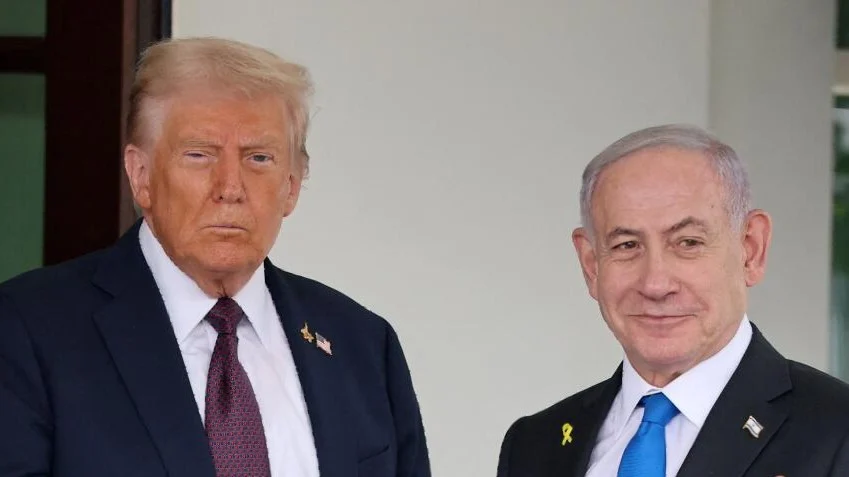
Trump Says Iran Peace Deal Is "Very Close" and Netanyahu Has No Choice But to Accept It
There is something almost surreal about a moment when the United States president publicly tells an ally that they will have "no choice" but to accept a peace agreement with one of their most serious adversaries. That is exactly where things stand right now. Trump's Iran peace deal push has entered a new and highly public phase, even as Iran and Israel exchanged direct missile strikes on June 8, 2026.
Trump, speaking to reporters and confirmed through multiple outlets including the Financial Times and Hindustan Times, stated that the United States is "very close" to a deal with Iran, and that Israeli Prime Minister Benjamin Netanyahu will have "no choice" but to get on board.
Why Trump Is Pushing an Iran Nuclear Deal Now, Despite Active Strikes
The timing seems, on the surface, contradictory. Iran fired waves of ballistic missiles at Israel. Israel launched airstrikes on Iranian petrochemical facilities in retaliation. Airspace over Iran, Iraq, and Syria was temporarily closed. And yet Trump is publicly asserting that a diplomatic deal is within reach.
That contradiction is actually the point. Trump has consistently positioned himself as someone who can de-escalate situations that others consider locked into conflict. His calculation appears to be that the current military exchange, serious as it is, does not derail the broader diplomatic framework he believes is in place.
He reportedly told Axios that he would ask Netanyahu not to strike back at Iran. Netanyahu struck back anyway. Trump's response, rather than backing down from his peace deal narrative, was to double down. He said he "calls the shots" and that strikes would not derail negotiations.
What the Trump Iran Nuclear Deal Actually Involves
The full terms of any proposed deal have not been publicly released. But from what has emerged through reporting by the Financial Times, Telegraph India, Deccan Herald, and others, the broad shape of Trump's US Iran nuclear negotiations appears to focus on placing limits on Iran's nuclear programme in exchange for sanctions relief and diplomatic normalisation.
This is, in basic structure, not entirely unlike the 2015 JCPOA deal that Trump himself withdrew from during his first term. The difference, at least from Trump's framing, is that any new deal would be stronger, more comprehensive, and not time-limited in the same way the original was.
Whether Iran would agree to those terms is where things get complicated. Iran has signaled, through statements before the June missile exchange, that it is open to diplomacy. But the country has also insisted on maintaining what it describes as defensive capabilities, which creates significant friction with any deal that would require verified reductions in nuclear development.
Netanyahu's Position and Why Trump Is Pressuring Him Publicly
Israel has long maintained that Iran's nuclear programme represents an existential threat. Netanyahu has historically opposed the JCPOA and lobbied aggressively against it. The idea that he would accept a deal brokered by Trump, even one with stronger terms, is not without political complications inside Israel.
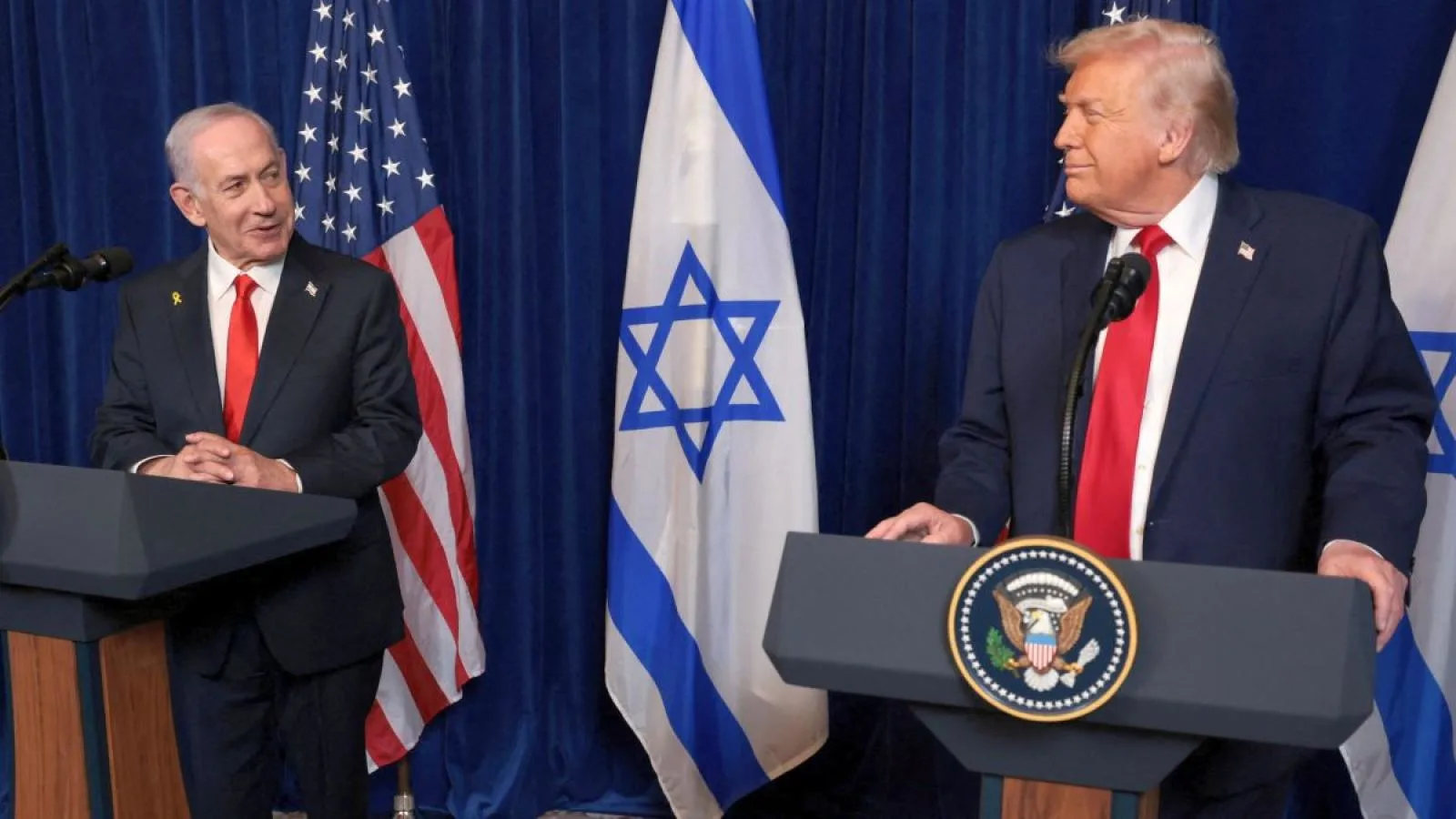
Trump's public framing, that Netanyahu has "no choice," is itself a form of diplomatic pressure. By saying it out loud and on record, Trump is signalling to both his domestic audience and to Iranian negotiators that the United States has a position independent of Israel's objections. That is a significant statement from a president who has also been Israel's most prominent international supporter.
The Telegraph India quoted Trump as saying "I call the shots," making clear he sees himself as the decision-maker in this process, not Netanyahu.
What Happens If the Deal Fails
The stakes of failure are obvious. The June 8 strikes between Iran and Israel represent the first direct exchange since an April ceasefire, which itself followed a period of severe escalation. If diplomacy collapses entirely, the next round of escalation could be significantly worse.
Iran has not closed the Strait of Hormuz, a critical global oil shipping lane, but has indicated ships could face transit fees. South Korea's stock market fell sharply in response to the strikes. Oil markets are watching closely.
Trump seems to understand that economic and market consequences give him leverage with all parties. A deal that holds, whatever its specific terms, is preferable for global markets and for his own political legacy.
Closing Thoughts
There is something worth noticing in how Trump is handling this: he is publicly claiming credit for keeping negotiations alive even while two of the parties involved are firing missiles at each other. Whether that confidence is justified or theatrical is a question only the outcome can answer. What is clear is that the Iran peace deal under Trump is being pursued with unusual urgency, and the next few days of diplomatic activity will matter enormously.
Read More: Delhi Hotel Fire Deaths: 21 Lives Lost in Malviya Nagar Blaze That Was Waiting to Happen
Disclaimer: This article is based on information available across the web. Parchar Manch does not take responsibility for its complete accuracy, as the content could not be fully verified.
FAQs
What is Trump's Iran peace deal about?
Trump is pushing for a new nuclear agreement with Iran that would limit its nuclear programme in exchange for sanctions relief. He has described it as stronger and more comprehensive than the 2015 JCPOA.
Did Trump ask Netanyahu not to strike Iran?
Yes. Trump reportedly asked Netanyahu not to retaliate against Iran's missile attacks. Netanyahu proceeded with strikes anyway.
What did Trump mean when he said Netanyahu has no choice?
Trump publicly stated that Netanyahu will have "no choice" but to accept a deal with Iran, signalling US diplomatic pressure on its ally to support rather than obstruct the negotiations.
How close is the Trump Iran nuclear deal to being finalised?
Trump has described it as "very close," though no specific timeline or public terms have been confirmed by either side.
Did the Iran-Israel strikes on June 8 affect the peace deal talks?
Trump insisted the strikes would not derail the deal, saying he "calls the shots" on this process. The status of formal negotiations remains unclear given the escalation.
What is at stake if the deal fails?
A collapse in negotiations could lead to further escalation between Iran and Israel, potential disruption to global oil supplies through the Strait of Hormuz, and broader regional instability.