
UPI July 2026 Record: 23.66 Billion Transactions Mark a New Era for Digital Payments
India's digital economy has hit another major milestone. The UPI July 2026 record transactions figures have set off a wave of discussion about the future of digital payments in the country. According to the National Payments Corporation of India (NPCI), Unified Payments Interface (UPI) processed 23.66 billion transactions in July, worth a combined ₹29.88 lakh crore. This is the highest monthly figure ever recorded, and it clearly signals where India's cashless future is headed.
What the July 2026 UPI Numbers Show
The UPI July 2026 Record reflects India's rapidly growing digital payments ecosystem. As per NPCI's report, transaction volume grew by roughly 4.1% and transaction value by 3.3% compared to June. Before this, May 2026 recorded 23.20 billion transactions and June 2026 recorded 22.72 billion. In other words, the numbers keep hitting new highs month after month. From small shopkeepers to large businesses, from online shopping to bill payments and cab bookings, scanning a QR code to pay within seconds has become completely routine.
Why Is UPI Growing So Fast
Digital payments experts point to several reasons behind UPI's continued rise:
- Speed and convenience: payments without cash or cards, just a mobile number or QR code.
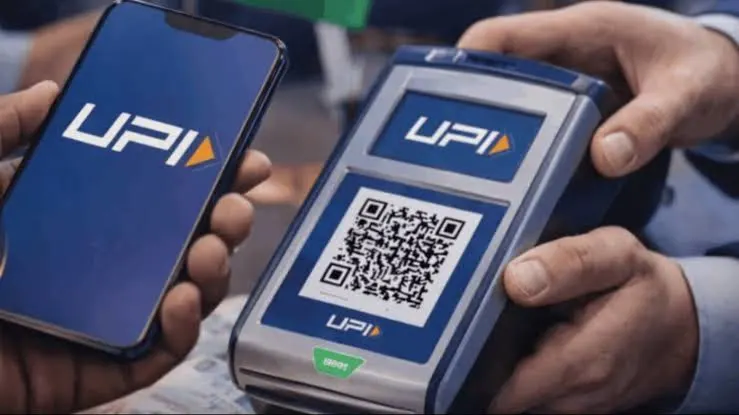
- Small merchant adoption: everyone from vegetable sellers to street food stalls now accepts UPI.
- Government push: Digital India initiatives promoting financial inclusion.
- International expansion: UPI is now available in around 10 countries beyond India, making payments easier for NRIs and tourists.
- Trust and security: bank-grade security combined with real-time settlement.
Must Read : SBI Funds Management IPO: Why India's Biggest Mutual Fund House Is Finally Going Public
Comparing With Previous Financial Years
The UPI July 2026 Record highlights just how rapidly India's digital payments ecosystem has expanded over the past few years. In FY 2021–22, total UPI transactions stood at 4,595.61 crore, worth ₹84.16 lakh crore. By FY 2022–23, this had risen to 8,371.44 crore transactions worth ₹139.15 lakh crore. Now, in a single month—July 2026—UPI alone recorded 2,366 crore transactions, showing just how steep this growth curve has become.
Impact on Everyday People and Businesses
The rising popularity of UPI is benefiting both consumers and small businesses. Customers no longer need to carry cash, while shopkeepers get relief from the risks of handling and storing cash. Greater transparency in the banking system is also improving tax collection. For large companies too, UPI payment gateway integration has become essential, as customers now increasingly prefer UPI over cards.
What to Expect Going Forward
The UPI July 2026 Record is expected to be followed by even stronger growth in the coming months, especially during the festive season (August to November), when shopping and consumer spending typically peak. NPCI also continues to promote features like UPI Lite and UPI 123Pay to expand digital payment access for feature-phone users and people in low-connectivity areas.
Conclusion
The UPI July 2026 record isn't just a statistic — it's a snapshot of India's digital revolution. Given the pace at which the platform is scaling, cash is likely to play an ever-smaller role in the years ahead, while India strengthens its position as one of the world's largest digital payment ecosystems.
Must Read : EPFO Big Updates: How to Withdraw PF via UPI & New Salary Rules 2026
FAQs
How many UPI transactions happened in July 2026?
UPI recorded 23.66 billion (2,366 crore) transactions in July 2026, worth a total of ₹29.88 lakh crore.
Who releases UPI's monthly transaction data?
UPI's monthly data is released by the National Payments Corporation of India (NPCI).
How much did UPI grow compared to June 2026?
Compared to June, transaction volume grew by around 4.1% and value grew by 3.3% in July.
Is UPI used only in India?
No, UPI is now available in around 10 other countries besides India, and its international usage is growing steadily.
How does rising UPI usage benefit ordinary people?
It reduces the need to carry cash, makes payments faster and safer, and gives small merchants an easier way to join the digital economy.