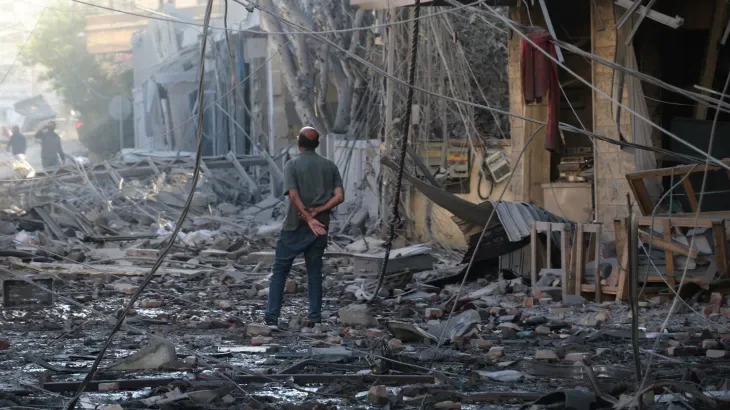
US Strikes on Iran Keep Coming. Here Is Everything You Need to Know About What Is Actually Happening
The missiles do not stop. That is the simplest way to put it. Right now, in late May 2026, the United States military is conducting fresh strikes on Iranian military sites, including near Bandar Abbas and close to the Strait of Hormuz. Iran is firing back. Kuwait has been targeted by missiles and drones. Seafarers are stranded in the Gulf. Oil prices are moving. And somewhere in all of this, peace talks are barely alive.
This is not just a distant military conflict. This is a situation that touches oil markets, global shipping, and the daily price of things people buy everywhere.
Why the US-Iran War in 2026 Matters to Everyone, Not Just the Region
Here is the thing most people miss: the Strait of Hormuz, the narrow waterway near Iran, is where roughly 20 percent of the world's oil passes through. When tensions rise there, oil prices react almost immediately. When US strikes target Iranian military sites near that strait, tanker ships start switching off their transponders, which is exactly what is being reported right now, with three tankers crossing with transponders off and 20,000 seafarers reportedly stranded.
That means shipping insurance costs rise. That means fuel gets more expensive. That means the conflict is not just a Middle East problem. It becomes a cost-of-living problem in countries far away from the fighting.
What Is Actually Happening: The US-Iran Military Conflict Explained Simply
Think of it like this. After a ceasefire was announced, both sides agreed to pause. But the pause did not hold cleanly. The US launched strikes it described as self-defense strikes against Iranian drone launch sites and military installations. Iran retaliated. The US launched again, targeting a military site for the second time in three days. Iran fired drones, which US forces intercepted.
Read More: Why China’s Wang Yi Is Skipping the BRICS Delhi Meet — And What It Signals for Global Diplomacy
Trump has described Iran as "negotiating on fumes," suggesting he believes economic pressure and military strikes are weakening Iran's position at the negotiating table. Iran, on the other hand, has called the US strikes a "grave violation" of the ceasefire and a show of "bad faith."
So both sides are fighting and supposedly negotiating at the same time. That is the core contradiction at the heart of this conflict right now.
How the Strikes Work and What They Are Targeting
The US military has been hitting specific Iranian military infrastructure. Drone launch sites and drone control stations have been primary targets. Iranian drones are a significant part of Iran's military capability, designed to be cheap, difficult to shoot down in large numbers, and capable of threatening US naval vessels and regional allies.
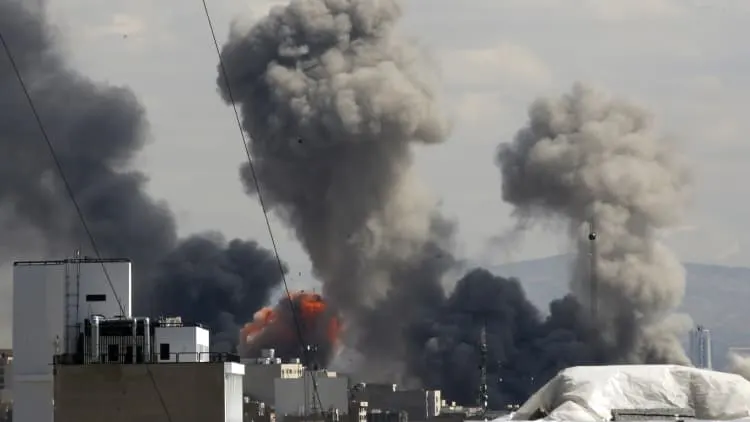
American forces have shot down Iranian drones, struck the ground control stations that guide them, and targeted broader military sites. Iranian forces have fired at US vessels and launched drones toward neighboring countries.
The remaining Iranian military targets, according to military analysts, are now harder to hit because they are more fortified, dispersed, or located in populated areas.
The Hormuz Deal That Is Not Happening Yet
There were reports of a possible deal involving the Strait of Hormuz, where Iran might guarantee safe passage for international shipping in exchange for some form of sanction relief or military pause. Trump dismissed those reports publicly. The US then struck Iran again.
The Los Angeles Times reported that the renewed strikes had put the talks "on the verge of collapse." Iran's internet had been shut down internally and was only beginning to be restored. Diplomacy is clearly not leading right now. Military action is.
What People Keep Getting Wrong About This Conflict
The most common mistake is treating this as a simple good versus bad story. The reality is a tangle of competing interests. Iran has legitimate concerns about sanctions that have devastated its economy. The US has genuine concerns about Iranian nuclear capabilities and regional destabilization. Israel has its own military objectives that do not always align perfectly with US diplomatic goals.
Another mistake is underestimating the economic fallout. Oil prices rebounded sharply after the latest US strikes on Iranian sites. That is not just a financial news item. That is a preview of what sustained conflict near Hormuz could do to global energy prices.
What to Watch Next
Watch the Strait of Hormuz. If commercial shipping slows or insurance costs spike dramatically, that is the signal that the conflict is entering a more serious economic phase. Watch whether Iran returns to the negotiating table or escalates further. Watch whether Trump's pressure strategy forces a deal or collapses one.
The ceasefire is fragile. The strikes continue. And the world's energy supply lines are running through a body of water where two significant military forces are currently exchanging fire.
That is worth understanding clearly.
Disclaimer: This article is based on information available across the web. Parchar Manch does not take responsibility for its complete accuracy, as the content could not be fully verified.
Read More: Google's REPLIQA Program: How Quantum AI and Life Sciences Are About to Change Medicine Forever
FAQs
What triggered the latest US strikes on Iran in 2026?
The US military described its latest strikes as self-defense actions, targeting Iranian drone launch sites and military installations following continued Iranian drone and missile activity against US vessels and regional targets.
Is there a ceasefire between the US and Iran?
A ceasefire was announced but is not holding cleanly. Both sides have accused each other of violating it. Iran called US strikes a "grave violation" while the US framed its actions as defensive responses.
How does the US-Iran conflict affect oil prices?
The conflict is happening near the Strait of Hormuz, through which a large portion of global oil flows. Any disruption or threat to shipping in that region pushes oil prices higher, as markets price in supply risk.
What is the Strait of Hormuz and why does it matter?
It is a narrow waterway between Iran and Oman connecting the Persian Gulf to international shipping lanes. Around 20 percent of global oil supply passes through it, making it one of the most strategically important waterways in the world.
What is Iran's position in the conflict right now?
Iran has condemned US strikes as acts of aggression, accused the US of bad faith, and has continued retaliatory military actions including drone launches and firing at US vessels, while simultaneously signaling openness to negotiations under different conditions.
Could this conflict escalate further?
Military analysts note that remaining Iranian targets are more complex to strike, and continued US military action risks deeper escalation. The peace talks are described as being on the verge of collapse, making the next 48 to 72 hours diplomatically critical.