Weight Loss After 30: Why It Gets Harder & How to Fix It
Somewhere after 30 things begin to feel a little different. The same body that once handled late-night snacks, missed workouts, and random cheat meals without complaint now holds on , quietly, stubbornly , to every extra calorie. You wake up one morning and think, “I didn’t even eat that much So why this sudden weight gain after 30?” And honestly, it’s not your fault.
The truth is, weight loss after 30 becomes harder because your body is changing in ways that are not always visible. Your hormones shift. Your energy dips a little earlier in the day. Your sleep becomes lighter, more interrupted. And slowly , almost invisibly , a metabolism slowdown begins to happen.
No drama. No alarm bells. Just a softer, slower burn. This is why so many people struggle with age-related weight loss even when they are doing what they think is “everything right.” You may even be trying to improve your fitness after 30, eating better, moving more and still, the scale refuses to move. Let’s understand what’s really happening , and more importantly , how to fix it.
Why Weight Loss After 30 Gets Harder
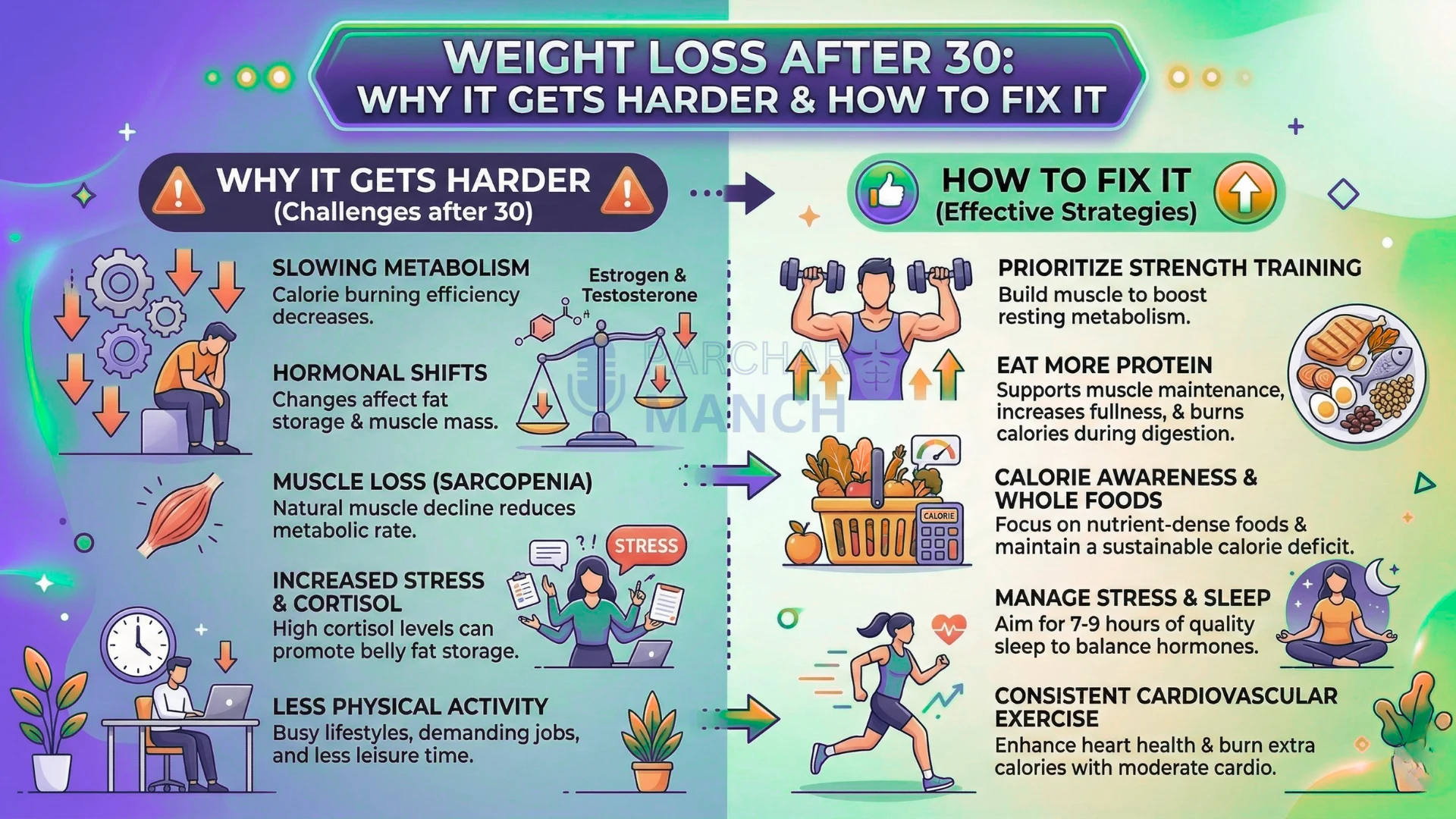
After 30, your body doesn’t stop working it just works differently. The biggest reason behind the difficulty in weight loss after 30 is a natural metabolism slowdown. Your body starts burning fewer calories at rest than it used to in your 20s. Even sitting on a chair now burns less energy than before. Strange, but true.
At the same time:
- Muscle mass slowly decreases if you are not actively maintaining it.
- Fat storage becomes easier due to slight hormonal changes.
- Daily activity levels drop because of busy routines and work stress.
- Recovery from exercise becomes slower than before.
This combination leads to gradual weight gain after 30, which often surprises people. You feel like your habits are the same… but your body has quietly moved into a new phase of age-related weight loss resistance.
And sometimes, it’s not just about calories anymore , it’s about chemistry.
Hormonal Changes and Their Silent Role
There’s another layer here , a more silent one. After 30, many people experience hormonal weight gain without realising it. Hormones like insulin, cortisol, estrogen, and testosterone begin to shift slightly. Nothing extreme. Just enough to change how your body stores fat.
This can result in:
- More belly fat
- Slower fat burning
- Increased sugar cravings
- Reduced muscle tone
- Lower daily energy
Read More : Cancer Research Updates: New Hope from Medical Science
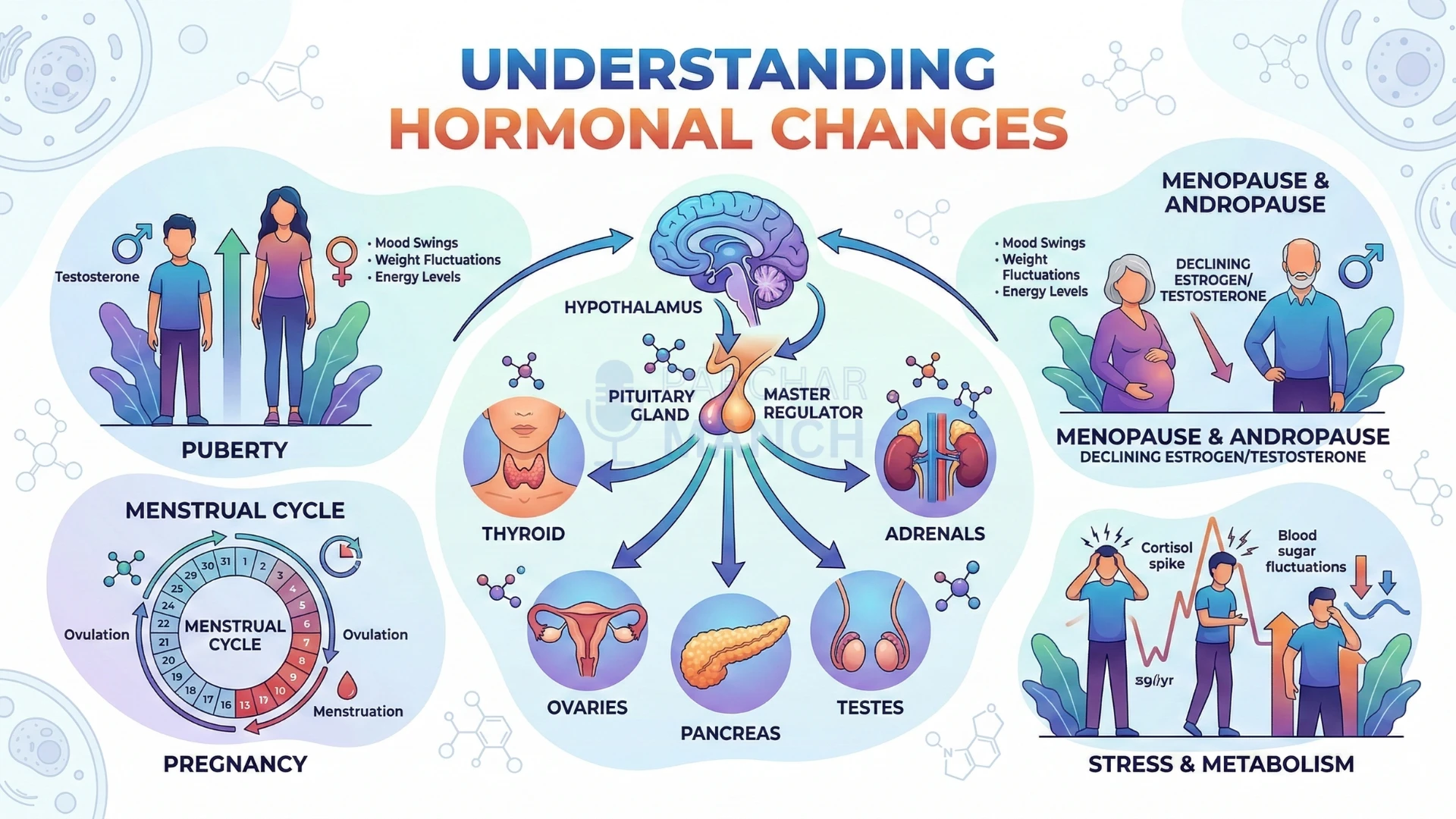
This kind of hormonal weight gain makes weight loss after 30 feel like pushing a heavy door that never fully opens. Even if you are focusing on your fitness after 30, ignoring sleep or stress can worsen metabolism slowdown and make fat loss much slower than expected.
Lifestyle Changes That Add to Weight Gain After 30
Sometimes It’s not just biology.
Life after 30 usually means:
- Long working hours
- Less physical activity
- Irregular eating patterns
- Increased stress levels
- Poor sleep quality
All of these increase the chances of weight gain after 30. Stress especially increases cortisol levels, which are directly linked to hormonal weight gain and belly fat storage. Poor sleep can also worsen metabolism, making your body burn fewer calories during the day.
So even if you’re trying for age-related weight loss, these hidden lifestyle issues can silently block your progress.
How to Fix Weight Loss After 30 Naturally
Now comes the hopeful part. Yes , weight loss after 30 is harder. But it is absolutely possible. You just need a slightly smarter approach that respects your changing body.
1. Focus on Strength Training
Muscle is your best friend after 30. It directly helps reverse metabolism slowdown by increasing your resting metabolic rate.
Try:
- Bodyweight workouts
- Resistance bands
- Light dumbbell exercises
- Basic strength routines 3–4 times per week
Improving muscle strength supports fitness after 30 and reduces hormonal weight gain over time.
2. Eat More Protein
Protein helps with:
- Muscle maintenance
- Fat burning
- Hunger control
- Better recovery
This supports age-related weight loss by keeping your metabolism active even when you're resting. It also reduces the chances of weight gain after 30 caused by muscle loss.
3. Improve Sleep Quality
Sleep is underrated , seriously. Poor sleep increases hormonal weight gain and worsens metabolism slowdown.
Try:
- 7–8 hours of sleep daily
- Avoid screens before bed
- Fixed sleep schedule
- Light dinner
Better sleep improves fitness after 30 and helps with easier weight loss after 30.
4. Manage Stress Levels
Stress increases fat storage , especially around the belly.
You can reduce stress by:
- Walking daily
- Practising breathing exercises
- Taking small breaks during work
- Meditation or yoga
This reduces cortisol-related weight gain after 30 and supports long-term age-related weight loss.
5. Move More During the Day
Exercise is important but daily movement matters too.
Try:
- Taking stairs
- Short walks after meals
- Standing breaks
- Light stretching
All of this helps fight metabolism slowdown and improves your fitness after 30 gradually.
Latest Understanding About Weight Loss After 30
Recent health trends suggest that crash dieting is one of the worst things you can do for weight loss after 30.
Extreme calorie cuts can:
- Increase hormonal weight gain
- Slow down metabolism further
- Reduce muscle mass
- Cause fatigue
Instead, balanced nutrition and consistent movement support better age-related weight loss results. Experts now recommend strength-based routines for fitness after 30, along with mindful eating, instead of quick-fix diets. Because the goal is not just to lose weight but to keep it off , even with natural metabolism slowdown happening in the background.
Conclusion
So yes weight loss after 30 is different. Slower. Sometimes confusing. Your body is no longer the same fast-burning machine it once was , there is a real metabolism slowdown, slight hormonal weight gain, and an increased risk of weight gain after 30, even with normal eating habits. But this doesn’t mean fat loss is impossible. It simply means your approach needs to grow with your age.
Strength training, better sleep, protein intake, and stress control can truly support age-related weight loss in a healthy way. Improving your fitness after 30 is not about punishing workouts , it’s about smart habits repeated daily. With the right routine, patience, and consistency, your body will respond. Not quickly… but honestly. And that’s what lasts.
Read More : Ayushman Bharat Health Policy Explained: Benefits, Eligibility & Latest Updates
FAQs
Why is weight loss after 30 more difficult than in your 20s?
After 30, the body naturally experiences a metabolism slowdown and slight hormonal shifts that make fat burning slower. Muscle mass also begins to decrease if not maintained, which contributes to weight gain after 30. These changes make age-related weight loss a bit more challenging than before.
Can hormonal weight gain be controlled naturally?
Yes, hormonal weight gain can be managed through proper sleep, stress control, and strength training. Improving your fitness after 30 with balanced nutrition also helps regulate hormones that are responsible for fat storage and slow metabolism.
Is cardio enough for weight loss after 30?
Cardio helps, but strength training is more important for weight loss after 30 because it prevents muscle loss. Building muscle improves metabolism and supports age-related weight loss by helping your body burn more calories even at rest.
How does sleep affect weight gain after 30?
Poor sleep increases stress hormones like cortisol, which leads to hormonal weight gain and fat storage. It also worsens metabolism slowdown, making weight gain after 30 more likely, even with regular exercise.
What is the best fitness routine after 30 for weight loss?
The best approach for fitness after 30 includes strength training, daily walking, and balanced meals rich in protein. This supports muscle maintenance and helps overcome age-related weight loss challenges effectively.