
When a Retired Judge Loses Her Bail: The Twisha Sharma Case Explained
Giribala Singh, a former district judge with 36 years on the bench, lost her anticipatory bail on Wednesday. The Madhya Pradesh High Court quashed it. And now, the CBI is at her doorstep.
That single line carries a lot of weight. A person who spent decades on the side of the law, granting and denying bail to others, now faces arrest in a dowry death case involving her own daughter-in-law. That is not an everyday story. That is the kind of story that makes you sit up.
Who Is Twisha Sharma, and What Happened to Her?
Twisha Sharma married Samarth Singh, the son of Giribala Singh, on December 9, 2025. She died on May 12, 2026, after being found hanging, and an FIR was subsequently registered at Katara Hills police station.
What followed was a dispute that split into rival narratives. Her family alleged murder and dowry harassment. The in-laws pointed toward suicide. The case quickly attracted national attention, media coverage, and eventually, a CBI probe.
The CBI's FIR listed allegations of dowry demands, and according to reports, the chargesheet included shocking disclosures, including that Twisha was given no money for personal needs and that a demand of Rs 2 lakh was made after marriage.
Samarth Singh, Twisha's husband, is already in CBI custody, with his remand running till May 29.
What Is Anticipatory Bail, and Why Does It Matter Here?
Anticipatory bail, simply put, is a legal shield. It allows a person to seek bail before they are actually arrested. The idea is that if a court believes an arrest might happen and the person's case has merit, they can be protected from immediate custody.
The 10th Additional Sessions Judge in Bhopal had granted anticipatory bail to Giribala Singh on May 15, 2026, for offences punishable under Sections 80(2), 85, and 3(5) of the Bharatiya Nyaya Sanhita (BNS), 2023, and Sections 3 and 4 of the Dowry Prohibition Act, 1961.
That relief lasted just days before it was challenged.
Why Did the High Court Step In?
Justice Devnarayan Mishra of the Madhya Pradesh High Court revoked the anticipatory bail, observing that the lower court had failed to adequately examine crucial evidence, including case diaries, witness testimonies, and WhatsApp conversations, and that the order suffered from serious infirmities.
In plain language: the sessions court had skipped steps. Important material was sitting in the case file. Witness accounts were not properly weighed. The High Court, after reviewing the matter, found the sessions court's order could not stand.
The High Court's 17-page order stated that in light of the factual aspects and the allegations levelled against Giribala Singh, the anticipatory bail order dated May 15, 2026, is hereby quashed.
What Happens to Giribala Singh Now?
With the anticipatory relief cancelled, the CBI is expected to move forward with taking Giribala Singh into custody, which is expected to shed further light on the circumstances surrounding Twisha Sharma's death.
Shortly after the order, CBI officials arrived at Giribala Singh's residence. Her arrest appears imminent.
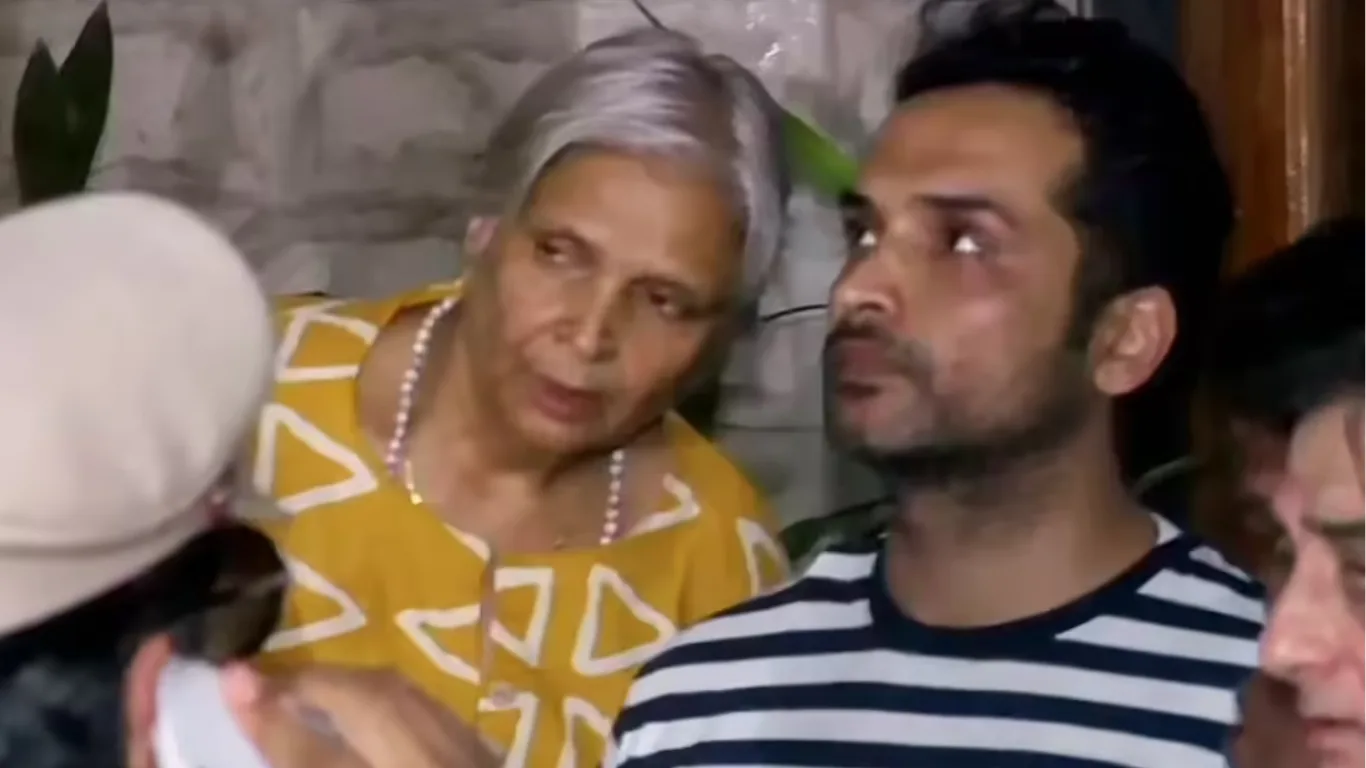
The victim's family lawyer called it a moment of justice. Senior advocate Anurag Shrivastava, representing Twisha's family, said "finally justice is done in the Twisha case," and added that since Giribala served in judicial service for 36 years, wisdom should prevail and she should surrender before the CBI and cooperate with the investigation.
Why This Case Has Unsettled So Many People
Part of what makes this case so quietly disturbing is the professional background of the accused. Giribala Singh was not a bystander to the legal system. She was a district judge for nearly four decades. Someone trained, by profession, to understand evidence, to hear witness testimony, to weigh facts before deciding on guilt or innocence.
And yet, the High Court found that even in the proceedings surrounding her own bail, the lower court had not done what she spent a career doing: examining the evidence properly.
Read More: Google's REPLIQA Program: How Quantum AI and Life Sciences Are About to Change Medicine Forever
There is also the broader question this case raises about dowry-related deaths in India. The CBI's involvement signals that the investigation is being treated with the seriousness it deserves. The Dowry Prohibition Act exists for a reason. But awareness and enforcement are two different things.
Closing Thoughts
Twisha Sharma was married for barely five months. She died in May 2026. The courts are still untangling what those five months looked like behind closed doors.
What Wednesday's order confirms is that the judicial process is asking harder questions now. A bail that was granted quickly, perhaps too quickly, has been taken away. The CBI has custody of the husband. The mother-in-law now stands without legal protection.
The case is likely to become a touchstone in discussions about judicial impartiality and the broader fight against dowry practices in India.
That seems right. Not as an abstraction. But because somewhere in this story is a 20-something woman who became a bride and did not live to see June.
Disclaimer: This article is based on information available across the web. Parchar Manch does not take responsibility for its complete accuracy, as the content could not be fully verified.
FAQs
What is the Twisha Sharma case about?
Twisha Sharma, a young woman who married Samarth Singh in December 2025, was found dead in May 2026 in what her family alleges was a dowry-related murder. The CBI is investigating both her husband and mother-in-law, retired district judge Giribala Singh.
What is anticipatory bail?
Anticipatory bail is a legal protection that allows a person to obtain bail before being arrested. It is granted by a court when there is a reasonable apprehension of arrest, and it prevents immediate custody if the conditions are met.
Why did the MP High Court quash Giribala Singh's anticipatory bail?
The High Court found that the Bhopal sessions court had failed to properly examine the case diary, witness statements, and WhatsApp conversations before granting bail. Justice Devnarayan Mishra held the lower court's order suffered from serious legal infirmities and quashed it through a 17-page judgment.
What charges does Giribala Singh face?
She faces charges under Sections 80(2), 85, and 3(5) of the Bharatiya Nyaya Sanhita (BNS), 2023, and Sections 3 and 4 of the Dowry Prohibition Act, 1961, in connection with Twisha Sharma's death.
Is Giribala Singh already arrested?
As of the latest reports, she had not been formally arrested, but CBI officials reached her residence shortly after the High Court order. Her arrest is considered imminent given the quashing of her anticipatory bail.
What is the current status of Samarth Singh in the case?
Samarth Singh, Twisha's husband and Giribala's son, is in CBI custody with his remand running until May 29, 2026.