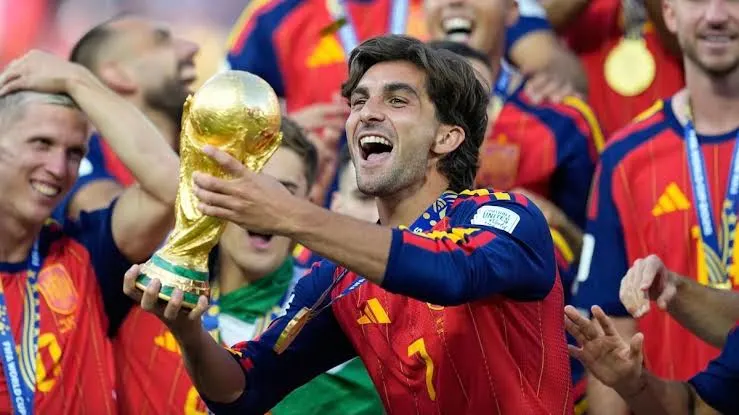
YouTube Viewership During FIFA World Cup: Why 1.7 Billion People Chose A Screen, Not A Stadium
Somewhere around 2.7 billion people have a YouTube account. And during this year's tournament, more than six in ten of them actually opened it to watch something World Cup related. That's not a rounding error, that's a genuine shift in how the planet watches football, and it's exactly what's behind the numbers now coming out around YouTube viewership during FIFA World Cup 2026.
Let me just sit with that stat for a second, because it's easy to skim past. 1.7 billion unique viewers. Not views, viewers. People. That's more than double the population of Europe, all tuning into a platform that, not too long ago, was mostly known for cat videos and unboxings.
Why This Actually Matters
Because it tells you something bigger than sports trivia. It tells you where attention is actually going, and where it isn't. Traditional broadcast television still mattered enormously this tournament, the Spain-Argentina final pulled nearly 63 million viewers in the US alone across English and Spanish broadcasts. But YouTube's numbers sitting right alongside that, sometimes surpassing it, means the old assumption, that streaming is a supplement to TV, not a replacement, is getting shakier by the year. If you create content, sell ads, or just want to understand where eyeballs genuinely go during a global event, this tournament is a live case study.
What The Numbers Actually Are
Strip away the marketing language and here's the real shape of it. YouTube confirmed FIFA World Cup 2026 became its most watched World Cup in history, drawing more than 1.7 billion unique global viewers who watched World Cup related content on the platform. Of those, over 550 million watched specifically on connected televisions, not phones, not laptops, actual TV screens, which says something about how living room viewing habits have quietly merged with streaming.
Lifetime views for World Cup related videos crossed 200 billion. FIFA's own official YouTube channel alone generated more than 4 billion views between June 11 and July 19, and gained over 7.5 million new subscribers in that same window, pushing its total past 34 million.
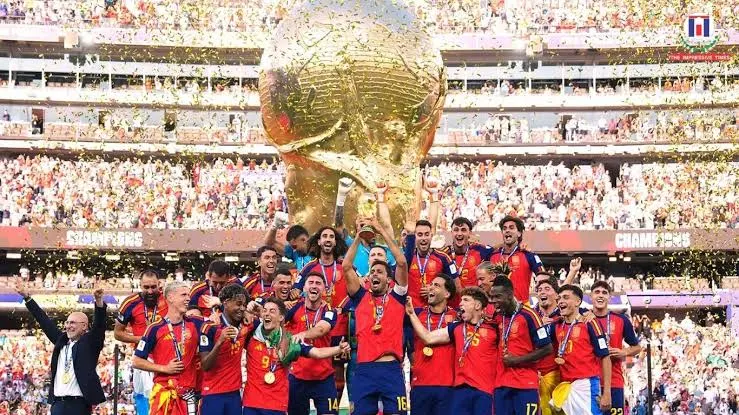
The final itself, Spain versus Argentina on July 19, drew an average minute audience of over 21 million viewers across more than 40 markets on official YouTube broadcasts, peaking at 27 million concurrent viewers at once. Think of "average minute audience" as roughly the typical crowd watching at any given moment throughout the match, while the 27 million figure captures the single busiest instant, likely somewhere around a goal or the final whistle.
How Streaming Actually Overtook Parts Of The Broadcast
If you're wondering how this happened, practically, here's the sequence worth understanding:
- Regional broadcasters and platforms secured official rights in specific markets, Brazil's CazéTV, for example, set its own worldwide YouTube record for the most watched football match ever streamed on the platform.
- Live streaming on YouTube saw a 311% jump in watch time during just the first week of group stage matches, driven by official streams, community streamers, and watch parties.
- YouTube accounted for roughly 94% of tracked hours watched across live streaming platforms globally during the tournament, according to Streams Charts data, dwarfing competitors.
- Independent creators joined in too. Darren Watkins Jr., known online as IShowSpeed, toured North America as one of FIFA's official real-life watchalong streamers, pulling in audiences who wanted personality-driven coverage alongside the matches themselves.
- Local platforms held their own where domestic rights existed, South Korea's CHZZK set a Korean-language streaming record through its ties with broadcasters JTBC and KBS, showing global platforms don't always win outright.
Real-World Example: The Living Room Didn't Disappear, It Just Changed Screens
Here's the thing that actually surprised a lot of media analysts. People didn't abandon their televisions for phones. Over 550 million of YouTube's World Cup viewers watched on connected TVs specifically, meaning families were still gathering around the living room screen, just running it through a streaming app instead of a traditional broadcast signal. It's less "cord cutting" and more "cord blending," the habit stayed the same, the delivery method quietly shifted underneath it.
Mistakes People Keep Making When Reading These Stats
The most common one is treating "1.7 billion viewers" and "1.7 billion views" as the same thing. They're not. Unique viewers means individual people, at least once, across the entire tournament, while views can be racked up repeatedly by the same person rewatching highlights, goals, or full matches. Confusing the two massively inflates what the number actually represents.
Another mistake, assuming YouTube's dominance in streaming means television lost. It didn't, really. NBCUniversal and Fox Sports both broke and re-broke their own American audience records throughout the tournament. YouTube's growth happened alongside record broadcast numbers, not by cannibalizing them entirely.
Pro Tips For Understanding Sports Streaming Data
When a platform announces "record breaking" numbers, look specifically for whether they're citing unique viewers, total views, watch time, or concurrent peak viewership, these are genuinely different metrics measuring different things, and companies tend to lead with whichever sounds most impressive. Also, cross reference platform-reported numbers against independent trackers like Streams Charts where possible, since self-reported figures from any company, YouTube included, benefit from favorable framing.
Closing Thoughts
There's something almost poetic about Sundar Pichai personally announcing these numbers on social media, a tech executive celebrating a football tournament's reach the way a broadcaster once might have. It says the lines between "watching TV" and "watching YouTube" have genuinely blurred, maybe past the point of meaningfully separating them anymore. The next World Cup, in 2030, will probably make even this tournament's numbers look modest. That's just the direction the curve is bending.
Read More: England Argentina World Cup Semifinal: The Old Rivalry Returns With Everything on the Line
FAQs
How many people watched the FIFA World Cup 2026 on YouTube?
More than 1.7 billion unique viewers globally watched World Cup related content on YouTube during the tournament.
Was this the most watched World Cup in YouTube's history?
Yes, YouTube confirmed it as the most viewed World Cup on the platform to date, surpassing every prior tournament.
How many total views did World Cup content get on YouTube?
Lifetime views of World Cup related videos crossed 200 billion, with FIFA's official channel alone generating over 4 billion views during the tournament window.
Did people watch on TV or on phones?
Over 550 million viewers watched YouTube's World Cup content specifically on connected televisions, showing streaming has moved firmly into the living room.
What was the peak concurrent viewership during the final?
Official YouTube broadcasts of the Spain versus Argentina final peaked at more than 27 million concurrent viewers across over 40 markets.
Did traditional television lose viewers to YouTube?
Not really. Traditional broadcasters like NBCUniversal and Fox Sports also broke their own audience records during the tournament, suggesting growth happened alongside television rather than replacing it entirely.