10 Best Places to Visit in India This Summer That Travellers Miss
Most people hear "summer in India" and immediately think of one thing: the heat. And yes, May and June are brutal across the plains. But India is a vast country with wildly different terrains, and if you know where to look, summer is actually one of the best seasons to travel. The right summer travel destinations in India can mean empty roads, blooming valleys, and cool mountain air while everyone else is stuck sweating at home.
This is not a list of obvious places. Well, some of them are obvious, but the way most people visit them is entirely wrong. Let us go through this properly.
Why Picking the Right Summer Destination in India Changes Your Entire Trip
The mistake most Indian travelers make in summer is either staying home entirely or rushing to the same three hill stations everyone already knows. Shimla gets crowded beyond reason. Manali prices spike. Ooty becomes a traffic jam with a view.
That is not a summer vacation. That is stress at a cooler altitude.
The good news is that India's summer holidays done right mean getting ahead of the monsoon, catching landscapes at their most dramatic, and finding places that stay genuinely pleasant when the rest of the country is boiling. You just need to know which direction to point.
1. Spiti Valley, Himachal Pradesh: The Cold Desert That Opens Only in Summer
Spiti Valley opens up properly in May after being snow-locked for months. The roads become passable, the monasteries grow quiet, and the stark lunar landscape under a sharp blue sky is something photographs genuinely cannot capture. Nights drop below 10 degrees, but days are clear and dry. This is one of the few hill stations in India that actually rewards early summer visitors over monsoon ones. Key Monastery and Dhankar Lake are worth every kilometre of that mountain road.
2. Leh-Ladakh: India's Most Spectacular Summer Escape
Leh-Ladakh follows similar logic. June is peak season, but mid-May onward offers the same dramatic scenery with noticeably fewer tourists. The roads to Pangong Lake and Nubra Valley open around this time. Acclimatisation matters here deeply, so plan at least two full rest days after arrival. Do not skip this step. Altitude sickness is real, and it does not care how fit you are.
Read More: Born After 2008? You Can Never Legally Buy a Cigarette in the UK. Here Is What That Actually Means
3. Coorg, Karnataka: The Secret Summer Destination Nobody Tells You About
Coorg is genuinely underrated in summer. Most people save it for winter, but pre-monsoon Coorg, from April through early June, smells of coffee blossoms and rain-washed earth. The waterfalls start coming back to life. It is green and quiet in a way that feels almost secretive. Abbey Falls, Raja's Seat, and the spice plantation walks are best enjoyed before the monsoon crowds arrive.
4. Chopta, Uttarakhand: India's Most Underrated Summer Trek
Chopta is perhaps the most slept-on trekking destination in India for the summer. Called the mini-Switzerland of India, it sits at around 2,700 metres and stays cool all through May and June. The Tungnath temple trek from here is manageable even for first-timers, and the rhododendron forests are at their absolute best from late April through May. Very few tourist crowds. Very high rewards.
5. Andaman Islands: The Beach Destination That Actually Works in Summer
Most people assume beaches mean winter travel in India. Wrong. The Andaman Islands have a different climate calendar altogether. April and May sit right before the southwest monsoon hits, which means clear waters, good visibility for snorkelling and scuba diving, and far fewer tourists than in December. Radhanagar Beach on Havelock Island regularly features among Asia's finest, and in summer, you might actually have stretches of it to yourself.
6. Darjeeling, West Bengal: Tea Gardens, Cool Air, and Zero Crowds
Darjeeling in summer is a completely different experience from its peak winter rush. The tea gardens are lush and actively being harvested during the first flush season from March to May. The views of Kangchenjunga on clear mornings are staggering. The town itself is walkable, the food is excellent, and the toy train ride through mist-covered hills is one of those travel moments that stays with you longer than expected.
Read More: Easy Healthy Lunch Recipes for Busy Weekdays (Ready in 20 Minutes)
7. Kasol and Kheerganga, Himachal Pradesh: For Travelers Who Want Mountains Without the Madness
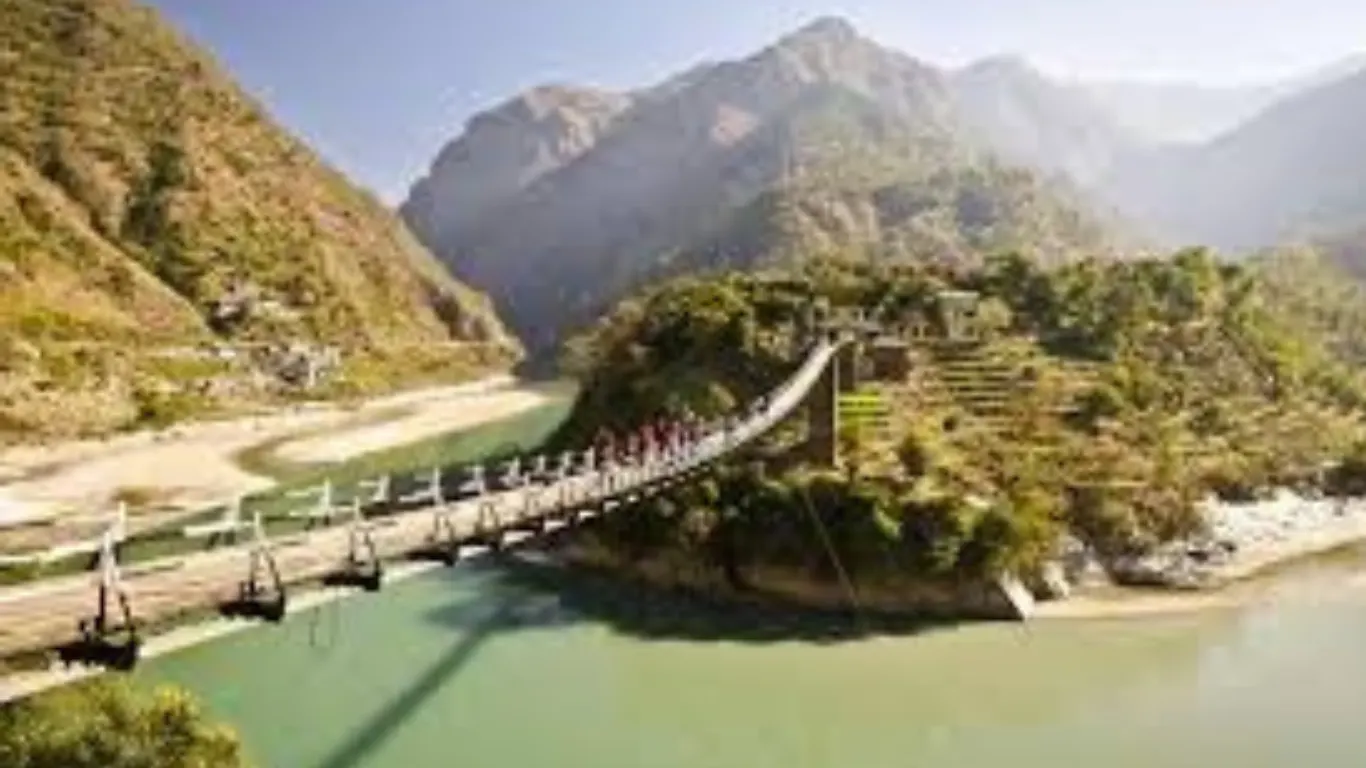
Kasol has become well-known, but it has earned its reputation. Sitting along the Parvati River at around 1,640 metres, it stays cool through summer and serves as a base for some of the best short treks in Himachal. Kheerganga trek, about 12 kilometres one way, ends at natural hot springs surrounded by snow-capped peaks. That combination is hard to argue with. Go on weekdays if possible. Weekends bring a different kind of crowd.
8. Munnar, Kerala: The Hill Station That Peaks Before the Monsoon
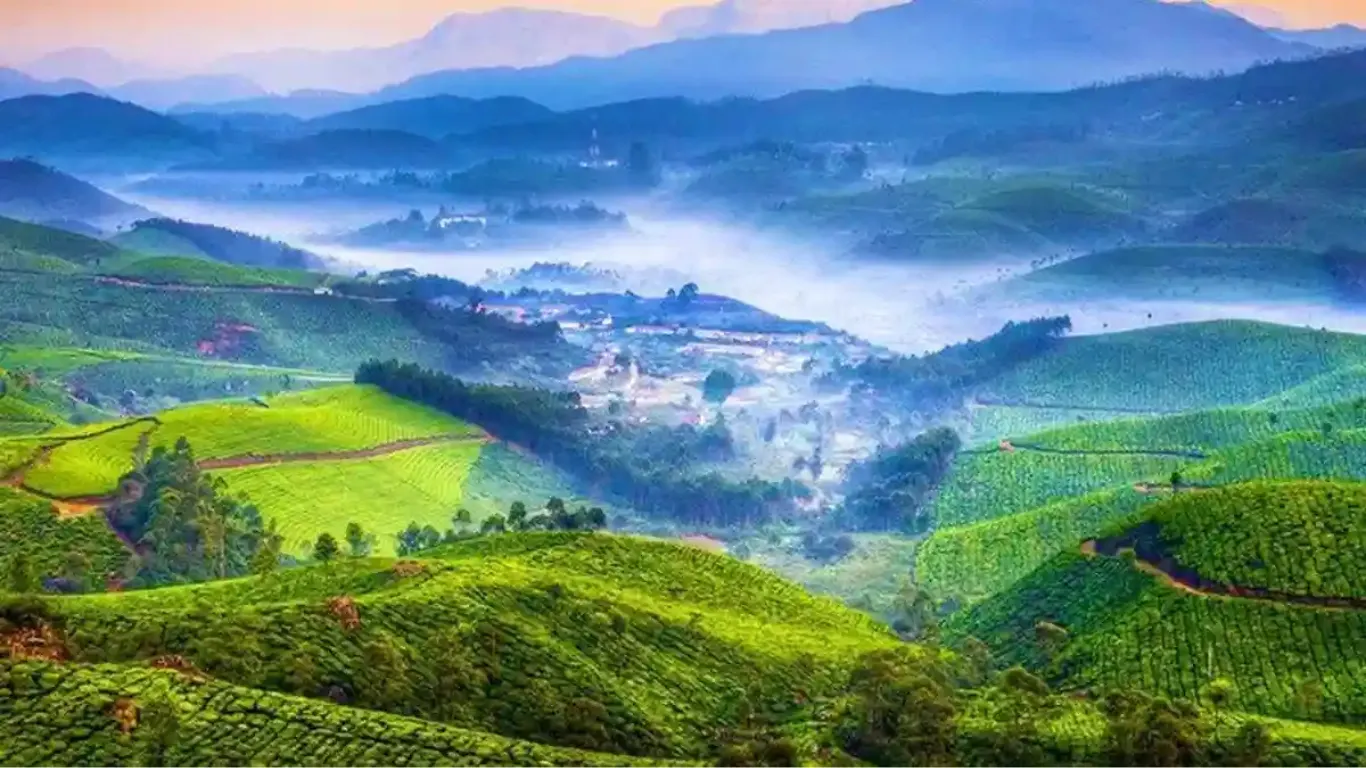
Munnar in April and May carries a specific kind of beauty that the monsoon actually washes away. The tea estates are vivid green, the Neelakurinji flowers bloom in cycles across certain slopes, and the temperature hovers between 15 and 25 degrees. Kerala summer tourism peaks briefly before June rains arrive, so if you time it right, you get the full experience with manageable tourist density.
9. Valley of Flowers, Uttarakhand: One of India's Most Breathtaking Summer Treks
The Valley of Flowers National Park is technically at its best from July through September, but the trek route opens in June, and early visitors catch the first blooms before the crowds arrive. It is a UNESCO World Heritage Site for good reason. Hundreds of species of alpine flowers carpet a high-altitude valley that looks genuinely unreal. Combine it with a visit to Hemkund Sahib for a complete Uttarakhand Himalayan trekking experience.
10. Manali Without the Tourist Rush: Go in May, Not June
Everyone goes to Manali in June. That is precisely why May is better. The Solang Valley snow is still thick enough for activities, Rohtang Pass opens progressively through the month, and the town itself has not yet hit its summer overcrowding. Hotels are cheaper, restaurants are less chaotic, and the Beas River sounds louder and cleaner before the tourist season fully kicks in. It is the same destination with a noticeably different feeling.
The Mistakes Most Summer Travellers in India Keep Making
The biggest one is leaving planning too late. Budget travel in India during summer requires booking mountain accommodation and transport at least three to four weeks ahead, especially for Ladakh and Spiti, where options are genuinely limited.
The second mistake is ignoring altitude. Travellers flying directly into Leh from Delhi and immediately attempting treks on day one end up in trouble more often than anyone admits. Give your body time.
The third is assuming summer means beaches everywhere. The west coast monsoon arrives by early June. The Andamans and east coast destinations follow a different weather pattern entirely, which makes them the smarter summer beach choice.
Pro Tips for Summer Travel in India That Most Travel Blogs Skip
Book internal flights to Leh well in advance. They sell out fast, and prices are painful at the last minute. Carry sunscreen at altitude because UV exposure is significantly higher above 2,000 metres than most people expect. For road trips to Spiti or Ladakh, verify the Rohtang and Baralacha pass conditions on the official Himachal and Jammu-Kashmir road portals before departing. Conditions change overnight during early summer.
And honestly, pack one extra warm layer regardless of where you are going in the mountains. Every experienced traveller will tell you the same thing.
Closing Thoughts on Summer Travel Destinations in India
India in summer rewards the curious and punishes the unprepared. The travellers who come back with genuinely extraordinary stories are usually the ones who went slightly off the well-worn path, planned for a few weeks, and trusted that the heat is mostly a plains problem.
The mountains are waiting. They are cool, quiet, and in summer, they are at their most alive.
Disclaimer: This article is based on information available across the web. Parchar Manch does not take responsibility for its complete accuracy, as the content could not be fully verified.
Read More: How to Find the Right Legal Advisor Near Me: The Complete Guide to Getting Real Legal Help